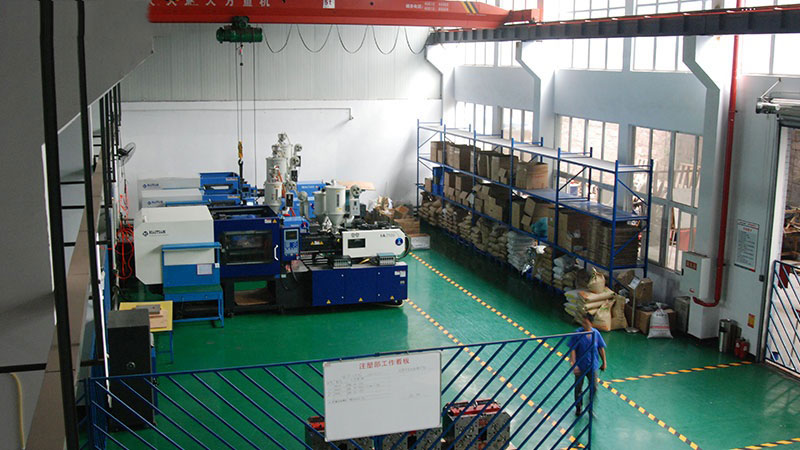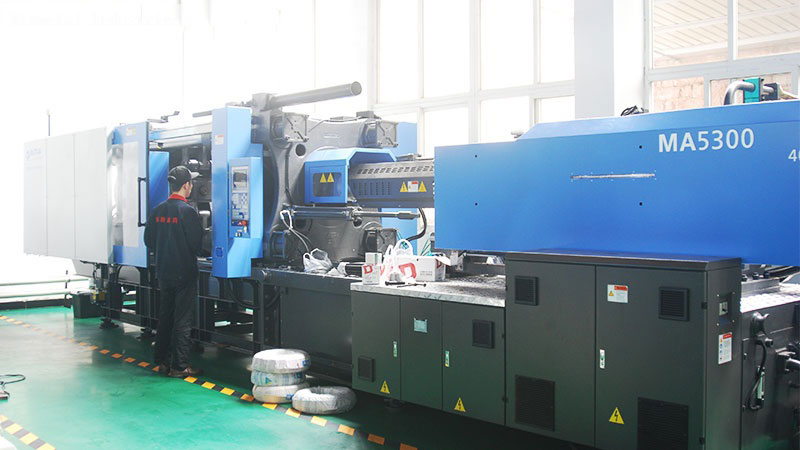
For overseas buyers, the decision to import molds from China represents a significant strategic advantage, offering access to advanced manufacturing capabilities, extensive material options, and competitive costs. However, navigating this complex landscape to find a reliable partner can be daunting. This professional buying guide for 2026 is designed to cut through the noise and provide you with actionable, real-world strategies for identifying, vetting, and collaborating with top-tier **mould manufacturers in china**. We will move beyond basic directory listings to focus on practical steps for procurement, rigorous supplier verification, and robust quality control, ensuring your project’s success from concept to delivery.
**Conducting Deep Due Diligence and Supplier Verification**
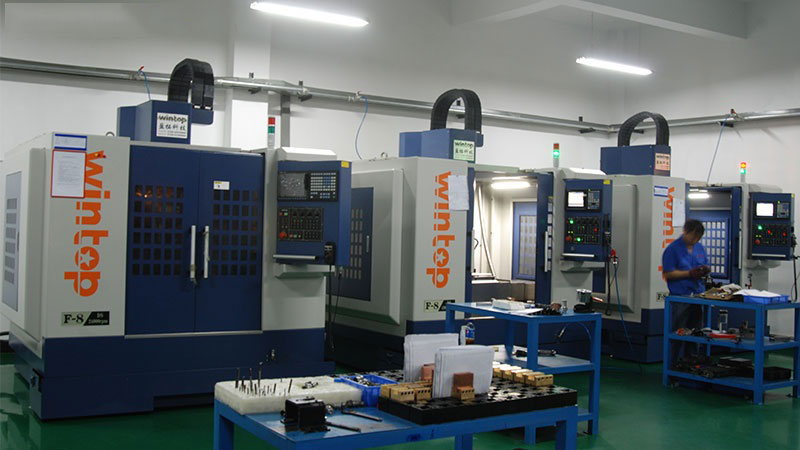
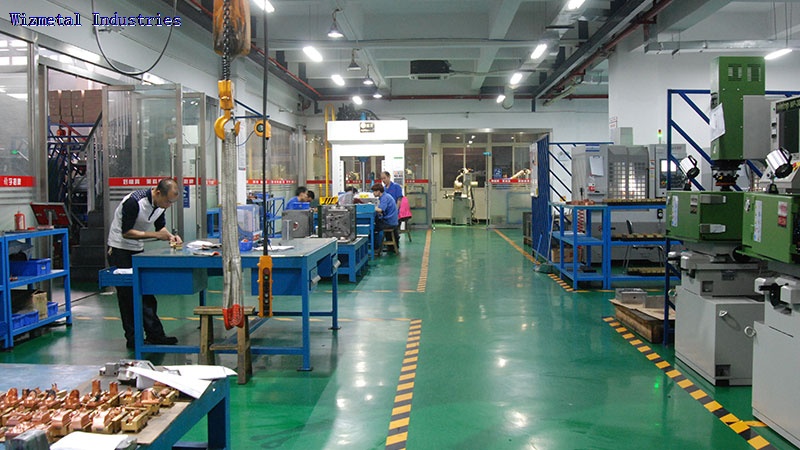
The initial search will yield countless options, making verification the most critical step. In 2026, a professional approach goes beyond checking a company website. Start with a multi-platform analysis: cross-reference potential suppliers on B2B platforms like Made-in-China.com with their professional presence on LinkedIn and industry-specific forums. Scrutinize their business licenses (via official Chinese platforms like Tianyancha) to confirm legal standing and registered capital. The true verification, however, lies in technical communication. Prepare a detailed RFQ (Request for Quotation) that includes not just part drawings, but material specifications, expected annual volumes, cavity requirements, and surface finish standards. A competent **China mold factory** will respond with insightful questions about gate locations, ejection methods, cooling line design, and mold steel recommendations (such as pre-hardened 718H or corrosion-resistant S136). Their questions are often more telling than their answers. Finally, insist on a live video audit. A 2026-standard virtual tour should showcase not just machinery, but also the factory floor organization, measuring equipment calibration logs, and their sample room. This step filters out trading companies and reveals the true operational capability of your potential partner.
**Mastering Technical Documentation and Intellectual Property Protection**
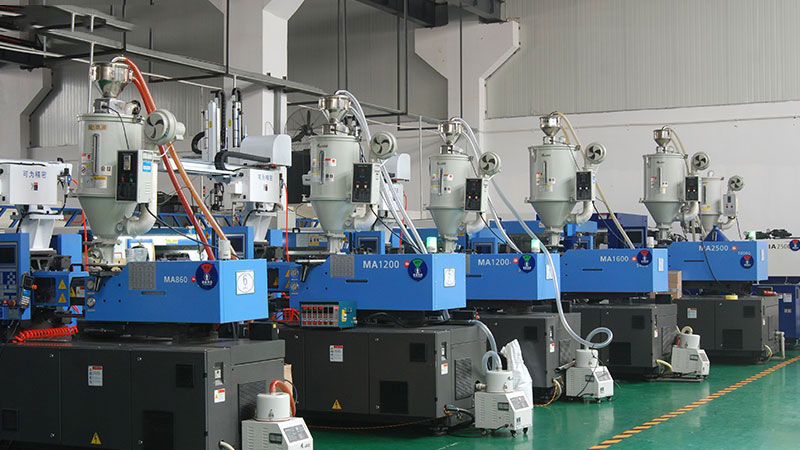
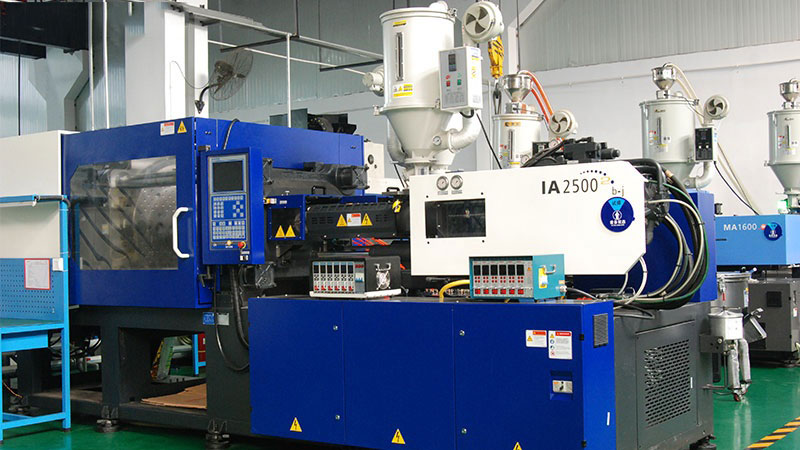
Clear, unambiguous technical documentation is your primary tool for ensuring quality and protecting intellectual property. For **injection mold** projects, this means providing fully dimensioned 3D CAD files (STEP or IGS format) and 2D drawings with critical tolerances clearly called out. Specify every detail: mold base standards (DME, HASCO, or local standard), steel grade for each component, surface textures (SPI/VDI standards), and expectations for hot runner systems if required. To safeguard your IP, a legally binding Non-Disclosure Agreement (NDA) under Chinese law is non-negotiable. Follow this with a precise, itemized contract that includes ownership clauses for all design and tooling. A progressive payment schedule (e.g., 30% deposit, 40% after T1 sample approval, 30% before shipment) aligns interests. For added security, consider engaging a local legal or sourcing agent to review contracts and register design patents in China. This meticulous approach to documentation sets a professional tone and minimizes costly misunderstandings during production.
**Implementing a Phased Quality Control and Inspection Protocol**
Quality cannot be inspected into a mold; it must be built in. Therefore, your quality control plan must be proactive and phased. Define and agree upon measurable checkpoints with the manufacturer before work begins. The first critical phase is the Design Review (DFM). A reputable supplier will provide a comprehensive DFM report suggesting design for manufacturability improvements to enhance mold life and part quality. The next checkpoint is the First Article Inspection (FAI) after the T1 sample. This goes beyond a simple visual check. You should receive a detailed inspection report including CMM (Coordinate Measuring Machine) data for critical dimensions, mold flow analysis results (if applicable), and shots from different cycles to check for consistency. For high-value molds, interim inspections during the machining process—such as checking the finished cavity and core with a hardness tester and profilometer—are advisable. Partnering with a third-party inspection company in China for these on-site checks provides an objective layer of oversight, ensuring the mold is built to print before it ever leaves the factory.
**Navigating Logistics, Communication, and Building Partnership**
The final hurdle involves seamless logistics and fostering a partnership for future business. Clarify incoterms (typically EXW, FOB, or CIF) explicitly in your contract. For **procurement** of molds, which are high-weight, high-value items, understand the shipping options: air freight for urgency or sea freight for cost-effectiveness. Ensure the manufacturer provides proper export packaging—typically a wooden crate with waterproofing and desiccant bags to prevent rust during transit. Insurance for the full value of the mold during shipping is essential. Beyond logistics, establish clear communication protocols. Designate a single point of contact on both sides who is technically fluent. Use collaborative tools for sharing updates, such as shared cloud folders for inspection reports and video updates. Viewing your chosen **mould manufacturers in china** not as a vendor but as a long-term technical partner transforms the relationship. A successful first project paves the way for faster turnaround, priority service, and collaborative problem-solving on future projects, turning your initial procurement effort into a sustained competitive advantage.
**Conclusion**
Successfully importing molds from China in 2026 requires a methodical, professional approach that prioritizes verification, clarity, and proactive management. By implementing rigorous supplier verification processes, mastering technical documentation, enforcing phased quality control inspections, and managing logistics with clear communication, you significantly de-risk your sourcing journey. The goal is to move from a transactional buyer to a valued partner for a capable China mold factory. This guide provides the framework to make that transition. By applying these actionable strategies, you can confidently tap into China’s manufacturing excellence, securing not just a cost-effective tool, but a high-quality asset that drives your production success for years to come.
Work With Us
As a professional China mold manufacturer, we provide one-stop mold solution for overseas buyers.
📞 Phone: +86-18605944639
💬 WhatsApp: +8618605944639
🌐 Website: bestmoldworks.com
📧 Email: [email protected]