For overseas businesses, sourcing from a plastic injection mold manufacturer in China remains a strategic move to achieve significant cost savings, access advanced manufacturing capabilities, and accelerate product development. However, the landscape is evolving rapidly. As we approach 2026, the process is less about finding any supplier and more about strategically partnering with the right one. Success hinges on moving beyond simple price comparisons to a model built on verification, clear communication, and robust quality integration. This guide provides actionable, professional insights to navigate the 2026 procurement environment and build a reliable supply chain for your injection mold needs.
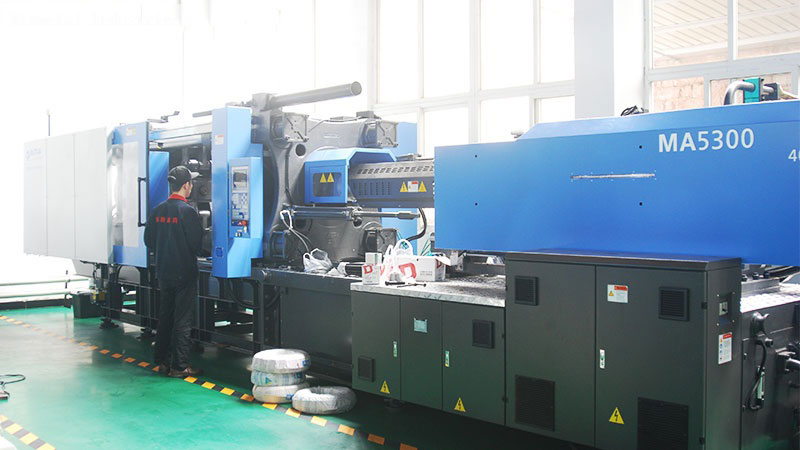
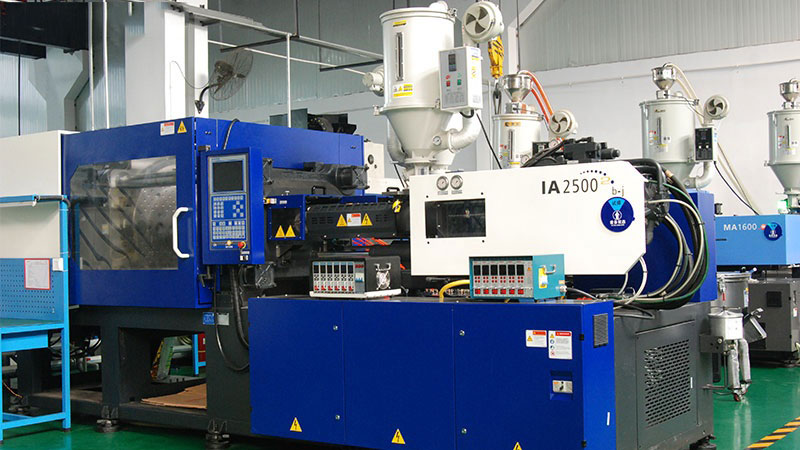
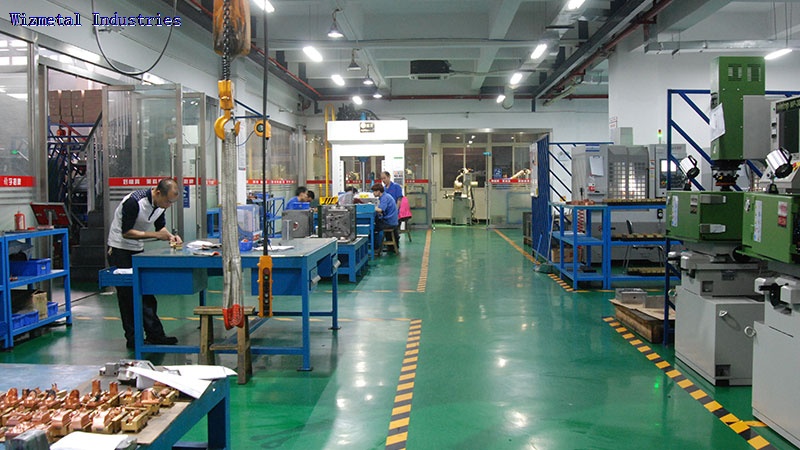
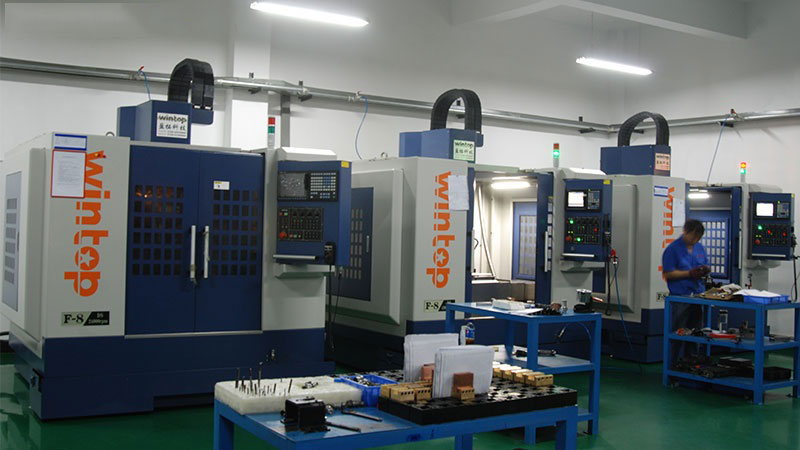
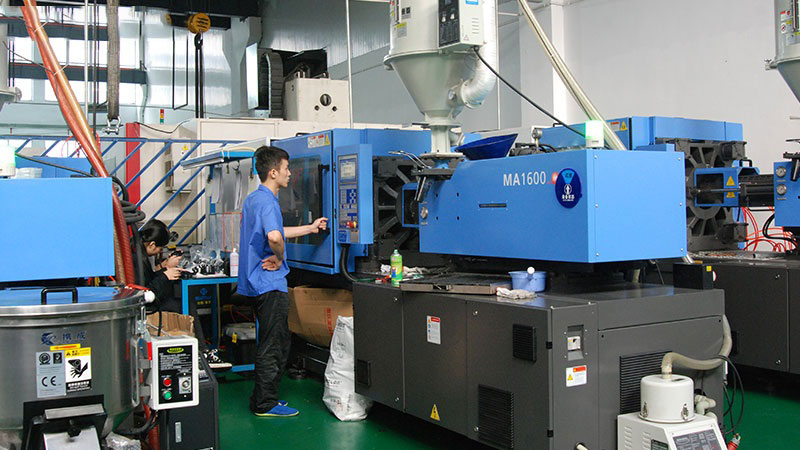
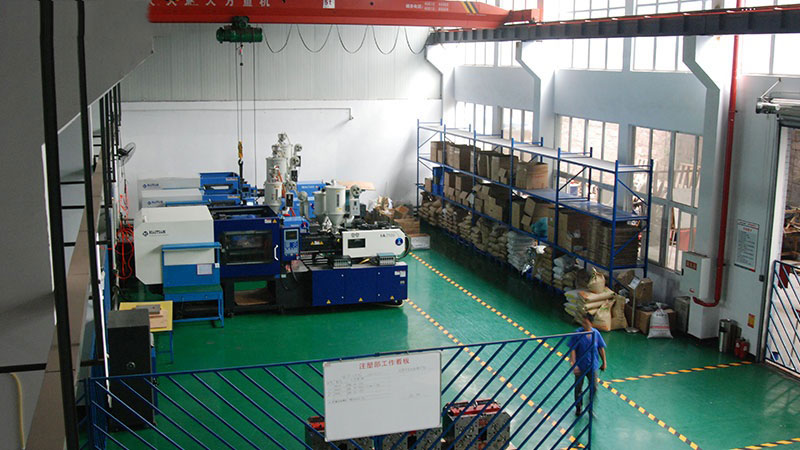
The cornerstone of a successful partnership is thorough supplier verification. In 2026, due diligence must be digital and deep. Start by leveraging professional B2B platforms, but treat them as a starting point, not a finish line. The critical step is a virtual or in-person audit of the China mold factory. Request a live video tour of their facility; observe the machinery brands (e.g., DMG Mori, Sodick, Haitian), the organization of the workshop floor, and their tooling and measurement equipment. Scrutinize their project portfolio for molds similar to yours in complexity, material, and industry. Furthermore, verify business licenses and ask for references from their existing overseas clients. A professional manufacturer will be transparent and proactive in providing this evidence, understanding that trust is the new currency in international trade.
Once a potential partner is identified, mastering the technical and commercial discussion is paramount. The request for quotation (RFQ) package you provide will directly influence the accuracy and competitiveness of the bid. For your injection mold, this must include a detailed 3D product model (STEP or IGS), comprehensive 2D drawings with critical dimensions and tolerances clearly marked, and specifications for the plastic material, expected annual volume, and cycle time targets. Clearly state your requirements for mold steel (e.g., S136, NAK80, P20), cavity polish standards (SPI, VDI), and hot runner system preferences. This precision eliminates assumptions, allows for an apples-to-apples comparison between suppliers, and demonstrates your professionalism, which in turn commands more serious engagement from top-tier factories.
The most common point of failure in overseas procurement is ambiguous quality control protocols. In 2026, defining these processes upfront in a formal Quality Control Plan is non-negotiable. Agree on staged inspection points: a first article inspection after the mold trial, using pre-agreed dimensional inspection reports (CMM data) and sample parts. Specify the testing conditions for trial samples (machine parameters, material batch). For ongoing production, define the frequency of random inspections and the acceptable quality level (AQL) for part dimensions and visual defects. Many reputable manufacturers now offer integrated third-party inspection services or facilitate visits from your own QC team. Building these checkpoints into the contract and timeline protects your investment and ensures the final deliverable meets your exact specifications.
The logistical and financial framework of your order can safeguard the entire project. Opt for a structured payment schedule that aligns with key milestones—for example, 30% upon order confirmation, 40% after successful first trial and sample approval, and 30% before shipment. This shares the risk and motivates the supplier to meet agreed-upon benchmarks. For logistics, understand Incoterms 2020 thoroughly. While EXW (Ex Works) might offer a lower upfront price, it leaves you responsible for the complex process of international freight and customs clearance. For most overseas buyers, CFR (Cost and Freight) or CIF (Cost, Insurance, and Freight) to your nearest port, arranged by the supplier, provides a smoother experience. Ensure all shipping documents, including a detailed commercial invoice, packing list, and certificate of origin, are stipulated in the agreement.
Finally, view your chosen plastic injection mold manufacturer in China as a strategic partner, not just a transactional vendor. The most successful long-term relationships are built on clear, consistent communication and mutual respect. Establish a single point of contact on both sides who is technically competent. Use collaborative tools for project management and mark-up drawings. Be mindful of time zones but expect professional suppliers to accommodate meeting schedules. Investing in this relationship means your partner will be more inclined to support you with engineering feedback for design for manufacturability (DFM), proactive maintenance tips for your mold, and priority service for future modifications or production runs.
As the global manufacturing ecosystem advances, the opportunity for overseas buyers to leverage Chinese mold-making expertise has never been greater—nor has it been more dependent on a meticulous, informed approach. The process outlined here—rigorous supplier verification, precise technical communication, embedded quality control, smart logistical planning, and relationship building—constitutes the professional standard for 2026. By adopting this framework, you transform the challenge of distance into a competitive advantage, securing not just a tool, but a reliable, high-quality manufacturing partnership that drives your product’s success in the global marketplace.
Work With Us
As a professional China mold manufacturer, we provide one-stop mold solution for overseas buyers.
📞 Phone: +86-18605944639
💬 WhatsApp: +8618605944639
🌐 Website: bestmoldworks.com
📧 Email: [email protected]