For overseas buyers, sourcing custom molds from China represents a significant strategic advantage, offering unparalleled cost efficiency and manufacturing scalability. However, navigating this complex landscape requires more than just finding the lowest quote. The journey from concept to a perfect, production-ready mold involves nuanced steps in supplier verification, technical communication, and quality assurance. This definitive 2026 guide cuts through the noise to provide actionable, professional insights for procurement specialists, engineers, and business owners aiming to build successful, long-term partnerships with a China mold factory.
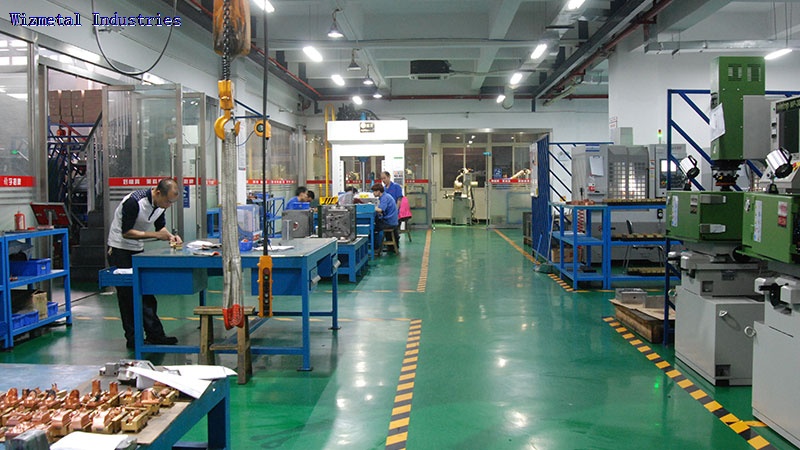
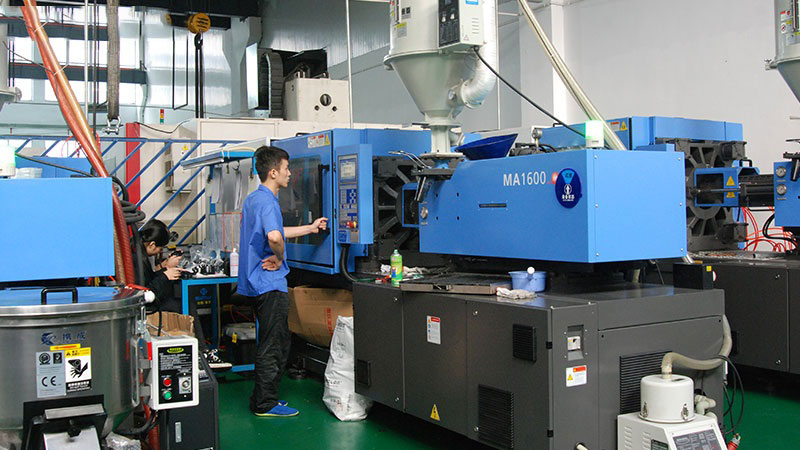
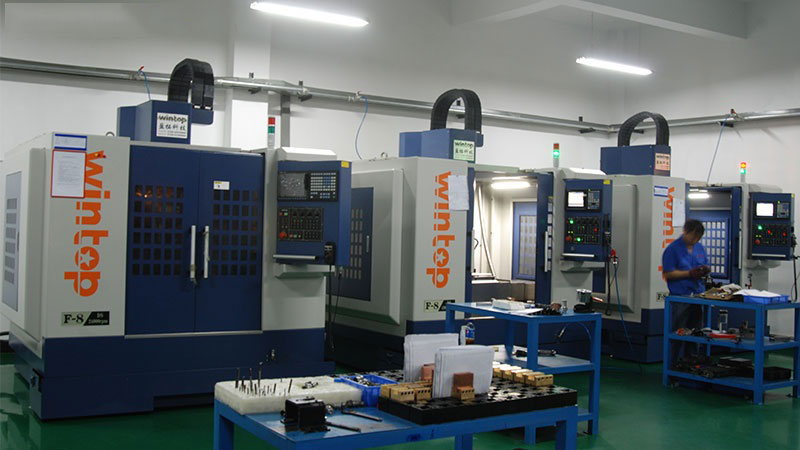
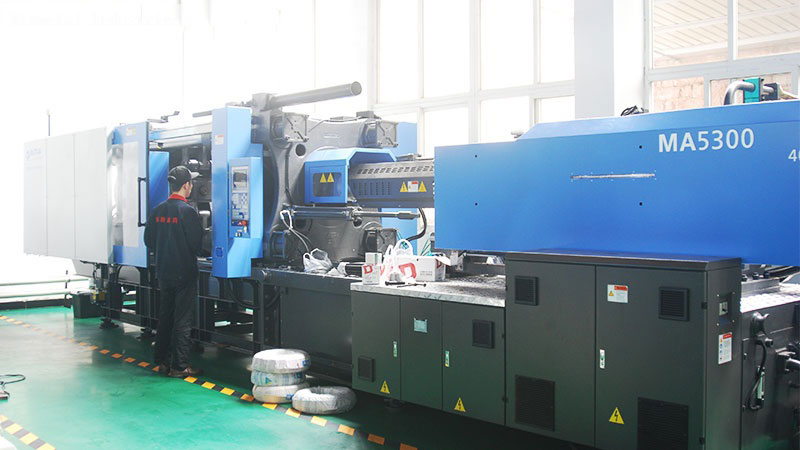
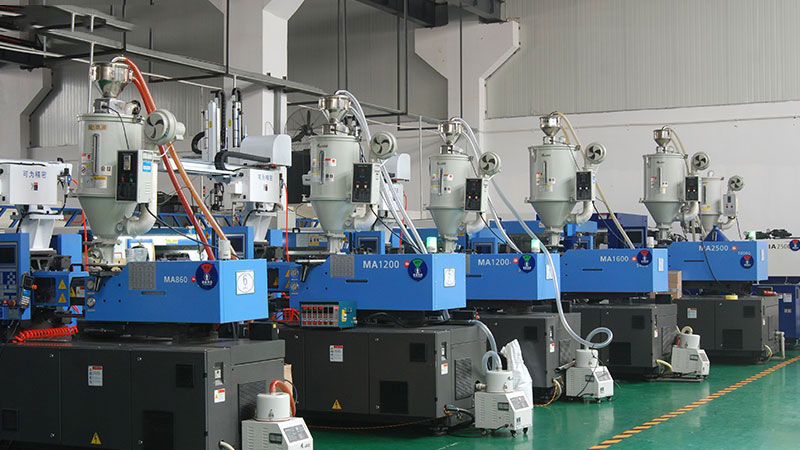
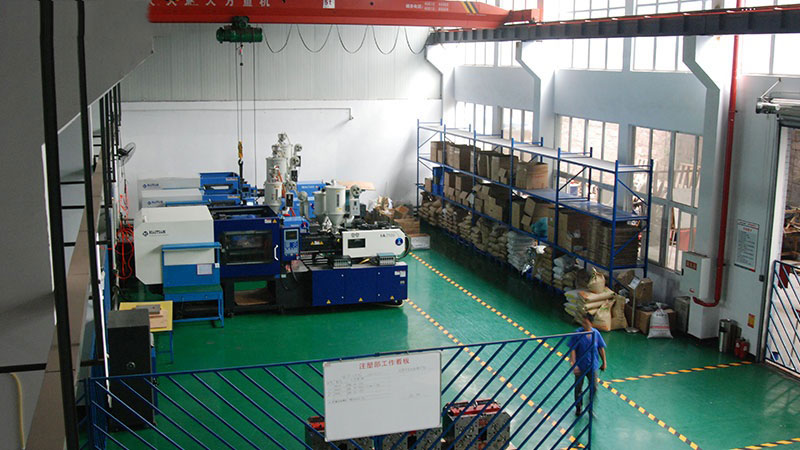
The cornerstone of a successful import project is selecting the right partner, not merely the cheapest vendor. Begin your supplier verification with a multi-layered approach. First, utilize B2B platforms but go beyond their storefronts. A credible China mold factory should readily provide a detailed company profile, including years in operation, core competencies (e.g., precision injection mold for medical devices, large automotive molds), and client case studies. Request a virtual tour of their facility via video call; observing actual workshop conditions, machinery brands (like DMG Mori or Sodick EDMs), and in-house capabilities (design, machining, EDM, polishing, trial injection) is invaluable. Crucially, ask for and contact 2-3 references from past overseas clients. Inquire about communication effectiveness, problem-solving attitude, and post-delivery support. This due diligence mitigates the fundamental risk of partnering with an intermediary or an under-equipped workshop.
Once a potential partner is identified, mastering the technical and commercial quotation process is critical. A professional quotation for custom molds should be exhaustively detailed, not a single-line price. It must break down costs for mold design, material (pre-hardened steel, H13, S136, etc.), cavity count, expected lifespan (number of shots), surface finish (SPI/VDI standards), and all ancillary costs like spare parts, mold base, and trial run charges. Clearly define payment terms; a standard, buyer-protective structure might be 30-40% deposit, 40-50% after first article inspection (FAI) approval, and the balance before shipment. Simultaneously, establish a formalized communication protocol. Insist on a dedicated project manager and engineer as your points of contact. Use shared cloud folders for all 2D/3D drawings (STEP, IGS formats) and document revisions. Implement a milestone-based approval system where you sign off on design reviews, material certificates, and pre-shipment inspection reports. This clarity prevents costly misunderstandings and scope creep.
Proactive quality control, integrated throughout the manufacturing cycle, is non-negotiable. Do not treat QC as a final-step inspection. Instead, embed it into the project timeline. After design finalization, require the supplier to submit a Design for Manufacturability (DFM) report, highlighting potential issues in part geometry, wall thickness, or gate locations. Upon material procurement, request mill certificates for verification. The most critical QC phase is the First Article Inspection (FAI) during the mold trial. Either plan to be physically present for the trial run or hire a trusted third-party inspection agency in China. The FAI should validate the mold using statistical process control (SPC) data from the injection molding machine, not just a few sample parts. Measure critical dimensions against the CAD model using CMM reports, check part weight, and assess surface finish. Document all findings in a shared report, and only approve mass production after all issues are resolved and sample parts are signed off.
The final stages—logistics, intellectual property (IP) protection, and long-term partnership—demand strategic foresight. For logistics, discuss Incoterms 2020 explicitly (FOB Shanghai is common) and understand who is responsible for freight, insurance, and customs clearance. Ensure the China mold factory properly prepares the mold for shipping: thorough cleaning, anti-rust treatment, and secure, crated packaging. Regarding IP, a formal Non-Disclosure Agreement (NDA) is essential, but for deeper protection, consider registering your design patents in China. Furthermore, a well-drafted contract should stipulate that all mold design and manufacturing rights belong to you, the buyer, and prohibit the supplier from using your mold for other clients. View this initial project as the foundation for a long-term relationship. A reliable supplier becomes an extension of your R&D team, offering valuable insights for future designs and ensuring consistent quality for repeat orders or mold maintenance.
Importing custom molds from China in 2026 is a process that rewards meticulous planning, clear communication, and vigilant oversight. By rigorously verifying your China mold factory, managing the quotation and communication process with professional precision, implementing staged quality control, and securing the logistical and legal details, you transform a complex international procurement challenge into a competitive advantage. The goal is to move beyond a transactional purchase and cultivate a collaborative partnership with a skilled manufacturer. This approach ensures you receive not just a tool, but a high-precision, durable asset that drives your product’s quality and profitability for years to come.
Work With Us
As a professional China mold manufacturer, we provide one-stop mold solution for overseas buyers.
📞 Phone: +86-18605944639
💬 WhatsApp: +8618605944639
🌐 Website: bestmoldworks.com
📧 Email: [email protected]