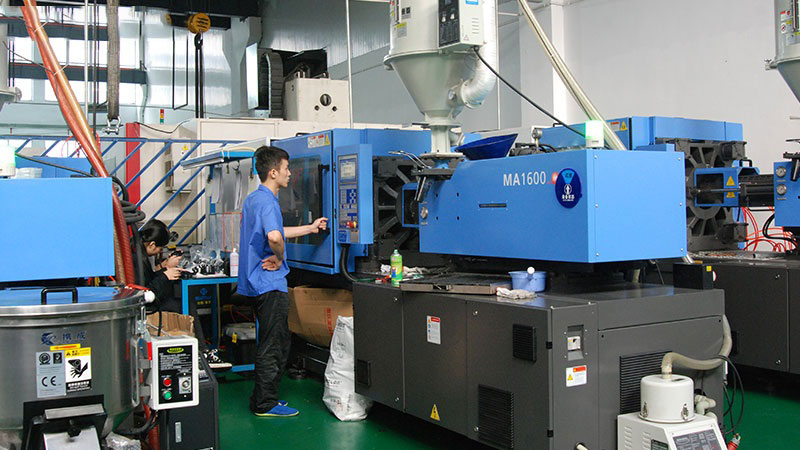
Category: Custom molds for resin

  • Custom Silicone Mold with Logo: Complete Procurement Gu 2026

    For overseas buyers, sourcing a custom silicone mold with a logo from China presents a significant opportunity to reduce costs and access specialized manufacturing expertise. However, navigating this procurement process successfully requires more than just finding the lowest price. It demands a strategic approach to supplier selection, communication, and quality assurance. This 2026 guide is designed to provide you with actionable, professional insights to streamline your procurement journey, mitigate risks, and ensure you receive a high-quality product that perfectly matches your specifications and branding requirements.

    The foundation of a successful import project lies in thorough supplier verification. Not all China mold factories are created equal, and the market contains both highly professional operations and less reliable workshops. Begin your search on comprehensive B2B platforms, but use them as a starting point for deeper due diligence. Prioritize suppliers with verifiable business licenses, established factory addresses (not just sales offices), and a portfolio showcasing experience with silicone or similar soft materials. Specifically request case studies or samples of previous work involving logo integration, as this requires precision in the mold texturing or engraving process. In 2026, digital verification tools are indispensable. Utilize video calls to conduct virtual factory tours, assessing their machinery, workshop organization, and in-house capabilities for both the injection mold (often used for the master pattern or housing) and the final silicone casting. Checking international certifications relevant to your industry, such as ISO 9001, is a baseline step. This phase is about building a shortlist of partners with proven technical competence, not just the most persuasive sales representative.

    Once potential partners are identified, mastering the technical and commercial quotation process is critical. A professional supplier will not provide a price based solely on a sketch. To receive an accurate quote for your custom silicone mold with logo, you must supply comprehensive data. This includes detailed 2D drawings or 3D CAD files with precise dimensions, tolerance requirements, and specified draft angles. Clearly indicate the logo artwork in vector format (e.g., AI, EPS) to ensure sharp, clean reproduction on the mold cavity. You must also specify the type of silicone material (e.g., food-grade, high-temperature resistant, hardness in Shore A) and the expected production volume from the mold, as this influences the mold’s material and construction durability. A transparent quotation should break down costs for mold design, mold manufacturing (steel or aluminum), sample costs, and unit part pricing. Be wary of quotes that seem unusually low, as they often signal compromises in material quality, craftsmanship, or hidden fees that will appear later. A detailed quotation is the first tangible deliverable that demonstrates a supplier’s professionalism and understanding of your project.

    Proactive quality control, integrated from the very beginning, is the most effective strategy to prevent defects and delays. Do not treat quality inspection as a final step before shipment. Instead, establish a QC protocol with your chosen China mold factory at the contract stage. Define critical checkpoints: a First Article Inspection (FAI) after the initial samples are produced, and a Pre-Shipment Inspection (PSI) for the bulk order. For the custom silicone mold with logo itself, the sample stage is paramount. Inspect the sample parts meticulously for dimensional accuracy, surface finish, functionality, and most importantly, the clarity, depth, and placement of your logo. Any imperfections in the sample will be replicated in every subsequent product. Consider engaging a reputable third-party quality control service based in China for the PSI. Their impartial assessment of product workmanship, material compliance, and logo consistency provides an essential layer of oversight, especially for high-volume orders. This investment in QC safeguards your brand reputation and avoids the far greater cost of receiving a non-conforming shipment.

    Navigating logistics, intellectual property (IP) protection, and final payment terms requires careful structuring. Use internationally recognized trade terms (Incoterms 2020) like FOB or EXW to clearly delineate responsibilities and costs between you and the supplier. For IP protection, a well-drafted Non-Disclosure Agreement (NDA) is essential before sharing detailed designs. Furthermore, ensure your purchase contract explicitly states that all molds, designs, and associated tooling are your exclusive property. Regarding payment, the standard 30% deposit and 70% balance before shipment carries risk. Negotiate terms that align with project milestones, such as 30% deposit, 40% upon sample approval, and 30% after passed pre-shipment inspection. This structure incentivizes the supplier to meet your quality benchmarks and provides you with leverage throughout the production cycle. Clear communication on packaging requirements is also vital to ensure your molds and finished products arrive undamaged.

    In conclusion, procuring a custom silicone mold with logo from China in 2026 is a highly viable strategy that balances cost-efficiency with quality, provided it is approached with diligence and strategic planning. The process hinges on rigorous supplier verification, precise technical communication, a proactive and multi-stage quality control regimen, and legally sound commercial terms. By viewing your Chinese mold manufacturer not merely as a vendor but as a strategic partner in your supply chain, you can unlock tremendous value. The goal is to establish a transparent, professional relationship that delivers a superior product bearing your logo with consistency and reliability, order after order. This comprehensive procurement guide provides the framework to transform a complex international sourcing challenge into a streamlined and successful business operation.

    Work With Us

    As a professional China mold manufacturer, we provide one-stop mold solution for overseas buyers.
    📞 Phone: +86-18605944639
    💬 WhatsApp: +8618605944639
    🌐 Website: bestmoldworks.com
    📧 Email: [email protected]
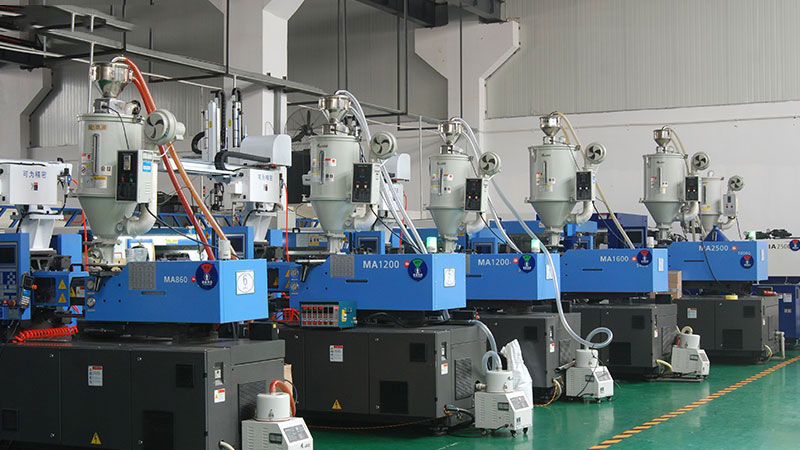
  • custom molds for soft plastics: Professional Buying Gu 2026

    For overseas buyers in the fishing, toy, or promotional industries, sourcing custom molds for soft plastics from China represents a significant strategic advantage. The potential for cost efficiency, manufacturing scalability, and technical expertise is immense. However, navigating this procurement landscape without a clear roadmap can lead to costly delays, quality discrepancies, and communication breakdowns. This 2026 guide is designed to cut through the complexity, offering a professional, actionable framework for your procurement journey. We move beyond simple supplier listings to focus on the core processes that ensure you partner with the right China mold factory and receive a product that meets your exact specifications for soft plastic injection molds.

    The foundational step, and arguably the most critical, is thorough supplier verification. In 2026, due diligence goes far beyond checking a company’s website. Start by verifying business licenses and export credentials. Utilize third-party inspection platforms and B2B directories to cross-reference information. However, the real insight comes from direct engagement. Request a detailed company profile that outlines their specific experience with soft plastic injection molds. Ask for a portfolio of past projects, paying close attention to molds for similar applications—whether they be intricate fishing lure designs, durable toy figures, or specialized industrial components. Initiate a video call to request a virtual factory tour; observing the workshop floor, the machinery (look for modern CNC and EDM equipment), and the working environment provides invaluable, unfiltered data about their capabilities and operational standards.

    Once a potential partner is identified, precision in the technical specification and design phase becomes your primary tool for preventing future issues. The creation of custom molds for soft plastics is a collaborative engineering endeavor. Provide your potential supplier with exhaustive design data, preferably in industry-standard 3D file formats like STEP or IGES. Clearly specify the material you intend to use (e.g., PVC, TPE, or specific plastisol blends), as this directly influences the mold’s material selection, cooling channel design, and gate placement. Discuss and agree upon critical factors such as surface finish (textured, polished, etc.), the number of cavities required for your production volume, and the mold base standard. A professional China mold factory will engage in a Design for Manufacturability (DFM) review, offering suggestions to simplify the mold structure, enhance durability, and improve production efficiency without compromising your design intent. Never proceed without a signed and stamped technical agreement.

    The procurement process must be governed by a clear and protective commercial framework. A formal, detailed quotation and contract are non-negotiable. The quote should break down all costs: mold material (such as P20, H13, or stainless steel), labor, heat treatment, and any ancillary charges. Crucially, the payment terms should be structured to mitigate risk. A standard and secure milestone schedule might be 30-50% deposit to commence work, 40% upon approval of pre-shipment mold sample photos and videos, and the final 10-30% balance after satisfactory quality control checks are completed. The contract must explicitly outline ownership of the intellectual property and the physical mold. Ensure it includes clauses for project timelines with penalties for delays, warranty periods for mold workmanship (typically 12-24 months), and protocols for handling design changes, which will inevitably affect cost and delivery.

    Proactive quality control is the mechanism that transforms a promise into a tangible, high-quality product. Do not wait until the mold is on a ship to assess its quality. Implement staged inspections. After the mold is manufactured but before trial, you can request photos and videos of the finished mold cavity and critical components. The most important stage is the Trial Sample Report (TSR). Insist that the factory conducts a mold trial run, producing samples using a material similar to your production plastisol. They should provide a comprehensive report with high-resolution images, videos of the injection process, and samples shipped to you for hands-on evaluation. Check for flash, completeness of form, texture fidelity, and ease of de-molding. For ultimate assurance, especially for high-value orders, engage a local third-party quality inspection firm to conduct an on-site Pre-Shipment Inspection (PSI) to verify the mold’s dimensions, functionality, and workmanship against the agreed specifications.

    Effective project management and communication are the glue that binds all previous steps together. Establish a single point of contact on both sides who is technically proficient. Use collaborative tools for tracking progress and sharing documents. Be mindful of the time zone difference and schedule regular update meetings. A professional supplier will provide periodic progress reports without being prompted. Furthermore, consider the long-term relationship. A reliable partner for your custom molds for soft plastics is also a gateway to efficient future production runs. Discuss their capacity for molding the finished soft plastic products themselves or ask for trusted recommendations for injection molding partners. This holistic approach turns a transactional purchase into a strategic supply chain asset.

    In conclusion, successfully importing custom molds for soft plastics from China in 2026 is a systematic process that rewards diligence and clear communication. It begins with rigorous supplier verification, moves through meticulous technical collaboration, and is secured by protective contracts and staged quality control. By viewing your chosen China mold factory not merely as a vendor but as a technical partner, you transform the inherent complexities of overseas procurement into a competitive advantage. The result is more than just a tool; it is the foundation for producing high-quality, cost-effective soft plastic products that can define your market success for years to come. Let this guide serve as your blueprint for a confident and profitable procurement journey.

    Work With Us

    As a professional China mold manufacturer, we provide one-stop mold solution for overseas buyers.
    📞 Phone: +86-18605944639
    💬 WhatsApp: +8618605944639
    🌐 Website: bestmoldworks.com
    📧 Email: [email protected]
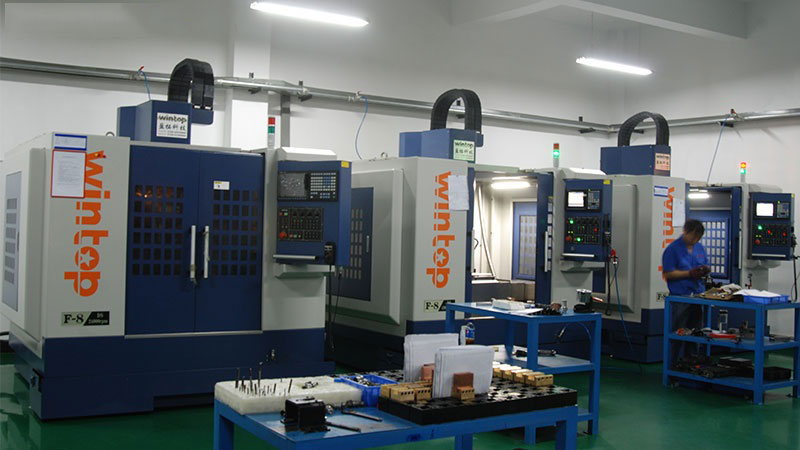
  • mold manufacturers in china: Professional Buying Guide 2026

    For overseas businesses, sourcing molds from China represents a significant strategic advantage, offering a compelling combination of advanced technical capability, scalable production, and cost efficiency. However, navigating this complex landscape to identify truly reliable partners can be daunting. This professional buying guide for 2026 is designed to cut through the noise, providing you with actionable, real-world strategies to streamline your procurement process, mitigate risks, and build successful, long-term partnerships with top-tier Chinese mold suppliers.

    The cornerstone of successful procurement is rigorous supplier verification. In 2026, due diligence extends far beyond a cursory glance at a website. Begin with a deep assessment of technical specialization. A **China mold factory** claiming to do everything may excel at nothing. Determine if their core competency aligns with your needs—be it high-precision micro molds, large automotive panels, multi-cavitation systems, or specific materials like optical-grade or high-temperature resins. Subsequently, move to a multi-faceted verification process. Demand a detailed company profile, business licenses, and certifications relevant to your industry, such as IATF 16949 for automotive or ISO 13485 for medical devices. Utilize video calls to conduct virtual factory tours; observe the workshop organization, the age and brand of machinery (e.g., German or Japanese CNC, EDM), and in-house capabilities like mold flow analysis. Crucially, request and contact references from their existing international clients. A reputable supplier will provide these, offering invaluable insights into communication, problem-solving, and after-sales support.

    Once a shortlist of potential **mold manufacturers in China** is established, mastering the quotation and negotiation phase is critical. A professional mold quote should be transparent and itemized, not a single lump sum. It must clearly break down costs for design, materials (specifying steel grade and brand, e.g., P20, 718, S136), machining, labor, trial shots, and surface treatments. This clarity allows for informed negotiation and prevents hidden costs later. When discussing pricing, understand the drivers: steel quality, mold life expectancy (number of shots), tolerances, and delivery time. Be wary of quotes that are anomalously low; they often signal compromises in material integrity or engineering expertise. Instead of focusing solely on driving the price down, negotiate on value—discuss payment terms that protect both parties, such as a 30-50% deposit with the balance due after pre-shipment inspection. Clearly define intellectual property ownership in the contract, ensuring all your design data remains your confidential property.

    Proactive and systematic quality control is non-negotiable. The most common mistake is treating the First Article Inspection (FAI) as the first and only checkpoint. For an **injection mold**, a robust QC protocol is integrated throughout the manufacturing lifecycle. Start with a Design for Manufacturability (DFM) review, where the supplier should provide feedback to optimize your part design for molding, reducing cost and improving quality. Implement milestone inspections: a steel inspection upon material arrival, a rough machining check, and a critical dimension inspection before heat treatment. The most vital stage is the Trial Run Report (T1). Insist on a full documented trial with sample parts, mold photos, and process parameters. Ideally, engage a trusted third-party inspection agency in China to witness the trial, measure samples against your CAD drawings and GD&T, and perform functional tests. This objective assessment before final payment and shipment is your strongest leverage to ensure the mold meets all specifications.

    Effective project management and communication are what transform a transactional purchase into a strategic partnership. Clearly define a single point of contact on both sides who is technically proficient and fluent in English. Establish a structured communication plan from day one: weekly update reports with photos and videos, scheduled review calls after each key milestone, and the use of collaborative platforms for drawing revisions. Utilize shared cloud folders for all documentation—drawings, change orders, inspection reports—to maintain a single source of truth. Understand and respect the cultural approach to business; building trust and a personal rapport is fundamental in China. However, remain meticulously clear and documented in all technical and commercial agreements. A reliable partner will appreciate this professionalism, as it minimizes misunderstandings and ensures alignment on project goals, ultimately leading to a smoother procurement journey.

    The final step encompasses logistics, payment, and fostering long-term relations. Ensure you understand the Incoterms 2020 agreed upon (e.g., FOB, EXW) and have a reliable freight forwarder experienced in handling mold shipments, which often require crating and careful handling. For payment, secure methods like Letters of Credit (L/C) or escrow services can offer protection, though established trust may lead to simpler TT payments. Upon receipt, conduct an incoming inspection at your facility. A professional **China mold factory** will support you during production launch. View your initial mold project as the foundation of a lasting relationship. A satisfied partnership with a verified manufacturer leads to priority service, better pricing on future projects, and a supplier invested in your product’s success, turning your initial procurement effort into a sustained competitive advantage.

    In conclusion, importing molds from China in 2026 demands a blend of diligent verification, technical clarity, embedded quality control, and strategic relationship management. By moving beyond a simple price-focused approach and implementing the structured processes outlined in this guide, you can confidently navigate the market. The goal is not merely to find a vendor but to identify a competent extension of your engineering and manufacturing team. The right **mold manufacturers in china** are partners who will deliver quality, reliability, and value, fueling your product innovation and market success for years to come.

    Work With Us

    As a professional China mold manufacturer, we provide one-stop mold solution for overseas buyers.
    📞 Phone: +86-18605944639
    💬 WhatsApp: +8618605944639
    🌐 Website: bestmoldworks.com
    📧 Email: [email protected]
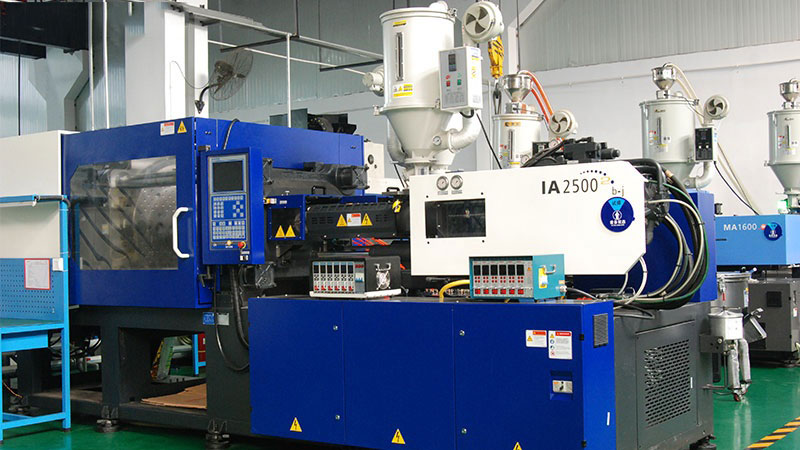
  • silicone mould factory near me: Professional Buying Gu 2026

    For overseas buyers and businesses, the search for a “silicone mould factory near me” often leads to a critical realization: the epicenter of precision, scalability, and cost-effective manufacturing is, unequivocally, China. However, navigating the vast landscape of Chinese mold manufacturing requires more than a simple online query; it demands a strategic, informed approach. This 2026 professional buying guide is designed to move you from a broad search to a confident partnership. We will dissect the actionable steps to identify, verify, and collaborate with a top-tier China mold factory, ensuring your injection mold or silicone mold project delivers on quality, budget, and timeline.

    The initial digital search for a “silicone mould factory near me” is merely the first step in a comprehensive procurement journey. The real challenge lies in filtering the multitude of options to find a supplier capable of meeting international standards. The process extends beyond price comparison to encompass engineering capability, material science, quality control protocols, and communication efficiency. This guide provides the framework to solve these real problems, transforming a complex overseas venture into a streamlined and secure supply chain operation.

    Conducting In-Depth Supplier Verification and Capability Assessment

    The cornerstone of successful procurement is rigorous supplier verification. Begin by moving past glossy website presentations. For any potential China mold factory, insist on a virtual or recorded factory tour. Focus on their workshop organization, machinery brands (e.g., Haitian, Engel, or Arburg for injection molding machines), and cleanliness—especially for silicone and food-grade molds. Scrutinize their portfolio for projects similar in complexity and industry to yours. Request and contact 2-3 of their existing overseas clients for references. Furthermore, verify their business licenses and export credentials. In 2026, leveraging third-party inspection platforms and international trade data to confirm their export volume and history is a standard due diligence step. This phase is not about finding the cheapest option, but the most transparent and technically proficient partner.

    Mastering Technical Communication and Prototyping

    Clear technical communication is the single greatest barrier and opportunity in offshore mold manufacturing. To mitigate risk, invest in creating impeccable technical documentation. This includes comprehensive 3D drawings (STEP or IGS files), 2D drawings with GD&T (Geometric Dimensioning and Tolerancing), and a detailed product specification sheet. Clearly define material requirements—whether it’s food-grade silicone, LSR (Liquid Silicone Rubber), or specific grades of steel or aluminum for the mold tool itself. Before committing to full production, mandate a prototyping phase. A reputable supplier will expect this. Use the T1 sample to conduct rigorous form, fit, and function tests. This stage is for refining gate locations, venting, and ejection, not for correcting fundamental design errors. Effective communication during prototyping, using marked-up photos and video calls, sets the trajectory for final quality.

    Implementing a Robust Quality Control Framework

    Quality control cannot be an afterthought; it must be engineered into the process from the initial quote. Discuss and agree upon a Quality Inspection Plan (QIP) with your supplier before order confirmation. This plan should specify Critical Control Points (CCPs), such as raw material certification, first article inspection (FAI), and pre-shipment inspection. For injection molds, this includes checking mold flow analysis reports, cavity hardness, surface finish (SPI/VDI standards), and trial shot results. For silicone moulds, focus on durometer testing, tear strength, and compliance certificates (FDA, LFGB, RoHS). Budget for an independent third-party inspection during the pre-shipment stage. A professional inspector will check dimensions against your drawings, functionality, and packaging, providing an objective report. This layer of oversight is your final and most crucial defense against non-conforming products.

    Navigating Logistics, IP Protection, and Total Cost Analysis

    The journey concludes with securing your investment and managing logistics. Intellectual Property (IP) protection starts with a well-drafted Non-Disclosure Agreement (NDA) and a manufacturing agreement that includes IP clauses. While absolute protection is challenging, working with established factories with their own R&D and a reputation to uphold significantly reduces risk. Regarding cost, adopt a Total Cost of Ownership (TCO) model. The unit price of the mold is just one component. Factor in tooling amortization, shipping (air vs. sea freight), import duties, insurance, and potential costs for mold modifications. A professional China mold factory will help you optimize the mold design for manufacturability, potentially saving substantial cost per part over the production lifecycle. Establish clear terms for mold ownership, storage, and maintenance.

    Conclusion

    The strategic search for a reliable manufacturing partner, effectively your global “silicone mould factory near me,” culminates in a relationship built on due diligence, clear communication, and structured processes. By moving beyond basic price sourcing to a model of collaborative partnership and verified control, overseas buyers can unlock the immense value offered by specialized Chinese manufacturers. The landscape in 2026 demands professionalism at every stage—from initial supplier verification and technical procurement to relentless quality control and smart logistics. By applying this disciplined framework, you transform the complexity of importing molds from China into a competitive advantage, ensuring your products are built on a foundation of quality, reliability, and precision engineering.

    Work With Us

    As a professional China mold manufacturer, we provide one-stop mold solution for overseas buyers.
    📞 Phone: +86-18605944639
    💬 WhatsApp: +8618605944639
    🌐 Website: bestmoldworks.com
    📧 Email: [email protected]
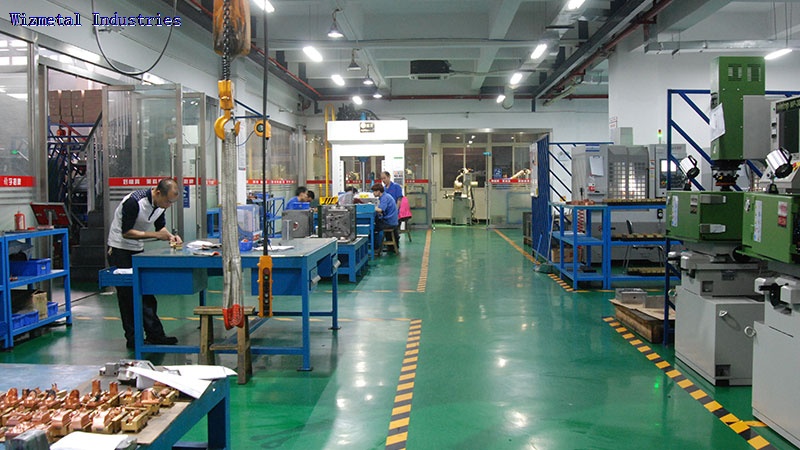
  • custom injection molding cost: Expert Tips & Solutions 2026

    For overseas buyers, navigating the landscape of custom injection molding cost in China presents a significant opportunity tempered by complex challenges. While the potential for substantial savings and high-quality output is undeniable, the path is often obscured by variable pricing models, communication hurdles, and concerns over quality and intellectual property. As we move into 2026, the dynamics of global manufacturing continue to evolve, demanding more sophisticated procurement strategies. This blog cuts through the noise to provide actionable, expert-level solutions aimed squarely at helping you, the international buyer, secure not just a competitive price, but true value and reliability from your China mold factory partnership.

    Mastering the Quotation: From Price to True Cost Analysis

    The initial quote for your injection mold is merely a starting point. A professional procurement approach in 2026 requires dissecting this figure to understand the total cost of ownership. Inexperienced buyers often fixate on the lowest tooling price, which can lead to catastrophic long-term expenses. Instead, demand detailed, line-item quotations. A reputable supplier will transparently break down costs for mold base steel (e.g., P20, H13, S136), cavity complexity, number of impressions, cooling system design, and surface finish specifications. Crucially, discuss and document the per-part piece price for your production runs. A slightly higher initial mold investment from a proficient China mold factory can yield a dramatically lower piece price due to superior mold design that enables faster cycle times, less scrap, and longer tool life. Always factor in logistical costs, import duties, and potential costs for mold maintenance and repair. This holistic view transforms a simple price tag into a strategic business decision.

    Strategic Supplier Verification: Beyond Alibaba and Website Claims

    The cornerstone of controlling your custom injection molding cost is partnering with the right manufacturer. Supplier verification has moved far beyond checking business licenses. In 2026, leverage technology to conduct deep due diligence. Start with a virtual audit: request a live video tour of their facility. Observe their machine park (look for modern, well-maintained injection molding machines and CNC equipment), their workshop organization (5S principles are a good indicator), and their quality control station. Use professional networking platforms to check employee profiles and company history. Request and actually contact 2-3 references from past overseas clients with projects of similar scale and complexity. Ask specific questions about communication, problem-solving, and post-sales support. Furthermore, consider a third-party pre-qualification inspection. A modest investment here can prevent six-figure losses from a failed partnership, securing your project’s financial and operational foundation.

    Design for Manufacturability (DFM): Your Most Powerful Cost-Saving Tool

    One of the most impactful yet underutilized strategies to optimize custom injection molding cost is proactive Design for Manufacturability collaboration. The design phase locks in approximately 70% of your total project cost. Before your mold design is finalized, insist on a formal DFM report from your shortlisted injection mold suppliers. A competent engineering team in China will analyze your 3D files and suggest modifications that simplify the mold structure without compromising part function. This could involve adjusting draft angles, wall thickness uniformity, radius specifications, or undercut design. Their expertise might suggest a slight design tweak that changes a mold action from a complex sliding mechanism to a simple ejection, saving thousands in tooling and reducing potential failure points. Engaging in this technical dialogue early demonstrates professionalism and allows the China mold factory to apply their expertise to reduce your costs—a win-win scenario that builds a collaborative relationship.

    Implementing Rigorous, Multi-Stage Quality Control Protocols

    Quality failures are the ultimate cost driver. In 2024, a reactive approach to quality is obsolete. Your procurement process must embed quality control at every stage. Define and agree upon a Quality Control Plan before any contract is signed. This should mandate staged inspections: First Article Inspection (FAI) using detailed reports (often based on AS9102 or similar standards) on samples from the initial production run, Dimensional Reports with CMM data, and material certification. For ongoing production, specify the frequency and sampling plan for During Production Inspections (DPI) and Final Random Inspections (FRI) before shipment. Consider employing a trusted third-party quality inspection service based in China for critical milestones. This is not an expression of distrust, but a standard professional practice that aligns expectations and protects both parties. Clear, documented quality gates prevent the devastating costs of delayed shipments, rework, or defective products reaching your market.

    Building a Partnership with Clear Communication and IP Protection

    Finally, managing long-term cost is inextricably linked to building a transparent, communicative partnership with clear legal safeguards. From the outset, establish primary communication channels and key contacts. Use precise technical language and confirm all agreements in writing. Invest time in creating comprehensive, unambiguous technical drawings and specifications. Regarding Intellectual Property (IP), concerns are valid but manageable. Work with a legal advisor to draft a robust Non-Disclosure Agreement (NDA) and a Product Development Agreement that explicitly states ownership of all mold and part designs. Physically stamping your company logo on the mold and registering the design in China (if applicable) are additional deterrents. A supplier invested in a long-term relationship values transparency and contractual integrity; they understand that protecting your IP is fundamental to securing repeat business and a stable revenue stream from production orders.

    Conclusion

    Successfully importing injection molds from China in 2026 requires a paradigm shift from chasing the lowest bid to engineering the lowest total cost of ownership. By implementing these expert tips—conducting true cost analysis, executing thorough supplier verification, collaborating on DFM, enforcing staged quality control, and fostering a protected partnership—you transform the procurement process from a risky gamble into a strategic advantage. The goal is to leverage China’s manufacturing excellence not as a cheap alternative, but as a center of competency that delivers predictable quality, reliability, and value. By applying these structured solutions, you position your project for success, ensuring that your investment in custom injection molding cost yields superior returns for years to come.

    Work With Us

    As a professional China mold manufacturer, we provide one-stop mold solution for overseas buyers.
    📞 Phone: +86-18605944639
    💬 WhatsApp: +8618605944639
    🌐 Website: bestmoldworks.com
    📧 Email: [email protected]

  • injection mold factory in china: Reliable Manufacturers 2026

    For overseas buyers, sourcing injection molds from China remains one of the most effective strategies to achieve significant cost savings without necessarily compromising on quality. However, the landscape is vast and varied, making the journey from initial inquiry to receiving a perfect mold fraught with potential challenges. As we look towards 2026, the process of identifying a truly reliable injection mold factory in China has evolved. It is no longer just about finding the lowest quote; it is about strategic partnership, technological alignment, and rigorous process control. This guide provides actionable, professional insights to help you navigate the procurement process and secure a partnership with a Chinese mold manufacturer that ensures reliability, quality, and long-term value.

    The cornerstone of successful procurement begins long before a request for quotation is sent. Comprehensive supplier verification is your first and most critical line of defense. Moving beyond basic Alibaba profiles, sophisticated buyers in 2026 are leveraging multiple verification layers. Start with a deep dive into the factory’s business licenses and export history. Request and verify official documentation. Utilize video audit services to take a real-time, unedited tour of the facility, paying close attention to their machine park, specifically the types of CNC, EDM, and injection molding machines they operate. A forward-thinking China mold factory will be transparent about its capabilities. Furthermore, check for relevant industry certifications. While ISO 9001 is a baseline, certifications specific to your industry, such as IATF 16949 for automotive or ISO 13485 for medical devices, are strong indicators of a mature quality management system. Do not underestimate the power of speaking directly to past overseas clients; a reputable supplier will provide references.

    Once a potential partner is shortlisted, the focus must shift to precision in communication and technical alignment. Ambiguity in design specifications is the primary cause of mold defects, delays, and cost overruns. To mitigate this, your technical data package must be impeccable. Provide fully detailed 3D CAD files, preferably in a universal format like STEP or IGES, alongside comprehensive 2D drawings with GD&T, critical dimensions, surface finish requirements, and material specifications. Discuss the entire project lifecycle with the injection mold factory, including the mold flow analysis they will perform. A reliable manufacturer will proactively use this simulation to predict and resolve potential filling, cooling, or warpage issues digitally before steel is ever cut. Clearly agree upon deliverables: the number of cavity samples, the material for samples, and the inspection reports required. This stage sets the technical foundation and ensures both parties are aligned on the exact definition of a successful outcome.

    A common concern for overseas buyers is maintaining consistent quality from a distant supplier. The solution lies in implementing a multi-stage quality control protocol that is agreed upon contractually. Insist on critical checkpoints with documented evidence. Stage one is typically a First Article Inspection report on the mold itself, with photos and CMM reports verifying core and cavity dimensions. The next vital stage is the Trial Run Report. You should receive video documentation of the trial, samples from the production material, and dimensional measurement data of those samples. For high-stakes projects, consider engaging a local third-party quality inspection firm to conduct an on-site inspection during the trial run. This provides an unbiased assessment of the mold’s performance and the initial part quality. A trustworthy China mold factory will not resist this; they will see it as a standard part of professional procurement. Define your Acceptable Quality Level metrics upfront, including part dimensions, visual standards, and performance criteria.

    The final, often overlooked, phase is planning for the long-term lifecycle of the injection mold. A reliable partnership extends beyond the first successful sample shipment. Discuss post-sales support and maintenance protocols explicitly. Who is responsible for mold maintenance and repair? What are the terms for design changes or modifications? A professional supplier will offer clear terms for storage of your mold at their facility and associated costs. They should also provide a comprehensive mold manual, including maintenance schedules, spare parts list, and detailed drawings. Furthermore, as we advance into 2026, consider the manufacturer’s approach to technology and sustainability. Are they adopting Industry 4.0 practices for process monitoring? Do they have systems for production tracking? Their investment in future-ready technology is a strong proxy for their commitment to consistency and continuous improvement, ensuring they remain a viable partner for years to come.

    Successfully importing an injection mold from China in 2026 demands a methodical, informed approach that prioritizes verification, clear communication, embedded quality control, and long-term planning. The goal is to transform a transactional purchase into a strategic technical partnership. By diligently applying these steps—from rigorous supplier vetting and crystal-clear technical exchanges to implementing staged QC checks and securing lifecycle support—you significantly de-risk the procurement process. The most reliable injection mold factory in China will not only welcome this professional diligence but will be equipped to meet it with transparency and expertise. This disciplined framework is your blueprint for securing not just a mold, but a competitive advantage for your production line for years to come.

    Work With Us

    As a professional China mold manufacturer, we provide one-stop mold solution for overseas buyers.
    📞 Phone: +86-18605944639
    💬 WhatsApp: +8618605944639
    🌐 Website: bestmoldworks.com
    📧 Email: [email protected]

  • mold manufacturer china: Best Suppliers & Quality Cont 2026

    For overseas buyers, sourcing precision tooling from a mold manufacturer in China represents a significant strategic advantage, offering a compelling balance of cost, capability, and scale. However, the path to a successful partnership and a flawless mold is paved with critical decisions. The landscape is vast, and without a structured approach, challenges in supplier verification, communication, and quality control can quickly erode the anticipated benefits. This guide is designed to cut through the complexity, providing actionable, professional insights to help you navigate the procurement process and secure high-quality tooling from reliable Chinese partners in 2026 and beyond.

    The foundation of a successful import project is rigorous supplier verification. Moving beyond a simple Google search or Alibaba listings is paramount. Start by defining your technical requirements in detail: mold life expectancy, material (e.g., P20, H13 steel), cavity count, tolerances, and expected part volume. This specification sheet becomes your primary filter. Use it to shortlist potential China mold factories. Scrutinize their websites for case studies that match your industry and part complexity. Request and actually contact past overseas clients for references. A critical step is to verify business licenses and, for higher-value molds, consider a third-party audit to confirm factory size, machinery (such as CNC, EDM, and CMM equipment), and in-house engineering capability. A true partner, not just a workshop, will have a dedicated engineering team to engage in Design for Manufacturability (DFM) feedback.

    Once a shortlist of qualified candidates is established, mastering the quotation and technical alignment phase is crucial. Be wary of quotes that are significantly lower than the market average; this often signals corner-cutting on materials, machining time, or future hidden costs. A professional mold manufacturer china will provide a detailed breakdown, including steel grade, heat treatment specifications, and a clear timeline with milestone payments. Insist on a comprehensive DFM review. This collaborative process, where the factory’s engineers analyze your 3D part design, is where most potential issues are solved before machining begins. They should provide annotated feedback on draft angles, wall thickness, gate locations, and ejection strategies to optimize the injection mold for production and longevity. Clear agreement here prevents costly changes and delays later.

    Proactive and structured quality control is non-negotiable. Do not assume quality; verify it at defined stages. The industry-standard protocol involves at least three critical inspections: First Article Inspection (FAI) after the mold is trial-tested, a Pre-Shipment Inspection (PSI), and a During Production Inspection (DPI) if you are also sourcing production parts. Define your inspection criteria using your approved drawings and sample parts. For critical dimensions, require reports from Coordinate Measuring Machines (CMM). Many reputable suppliers will provide video or live-streamed mold trials, showing part ejection, cycle times, and part measurements in real-time. For high-value projects, investing in a third-party quality control agency to conduct these inspections provides an unbiased layer of assurance and aligns all parties on the acceptance standards before shipment.

    Effective communication and contract management form the glue that holds the project together. Establish a single point of contact on both sides who possesses both technical and language proficiency. Use visual aids—marked-up drawings, screenshots, and short videos—to eliminate ambiguity. A robust contract must go beyond price and delivery. It should explicitly outline technical specifications, approval processes for each project phase, warranty terms (typically covering workmanship and materials for a set period or number of shots), liability for delays, and protocols for handling design changes. Clearly define the ownership of all design files and mold intellectual property. This formal framework protects your investment and ensures both parties have aligned expectations from the outset.

    The final step encompasses logistics, payment, and fostering a long-term partnership. Understand Incoterms thoroughly; FOB (Free On Board) is common, but for simplicity, you might discuss DAP (Delivered at Place) with your supplier or freight forwarder. Ensure the China mold factory properly prepares the mold for shipping—critical components should be rust-proofed and securely packed. A staggered payment schedule (e.g., 30% deposit, 40% after first article approval, 30% before shipment) is standard and balances risk for both parties. Upon successful completion, view this as the start of a relationship. A reliable supplier is an asset for future projects, spare parts, and maintenance. Providing constructive feedback and planning for ongoing needs can secure you priority service and stability in your supply chain.

    In conclusion, successfully importing an injection mold from China in 2026 demands a disciplined, process-oriented approach that prioritizes verification, collaboration, and verification again. The goal is to transform the procurement journey from a transactional cost-saving exercise into a strategic technical partnership. By meticulously vetting your mold manufacturer in China, engaging deeply in the DFM process, implementing staged quality controls, and cementing agreements with clear communication and contracts, you significantly de-risk your project. The result is not merely a tool, but a capital asset that delivers reliable, high-quality parts and a competitive edge for your business. With this framework, you are equipped to identify the best suppliers and achieve the quality control standards required for long-term success.

    Work With Us

    As a professional China mold manufacturer, we provide one-stop mold solution for overseas buyers.
    📞 Phone: +86-18605944639
    💬 WhatsApp: +8618605944639
    🌐 Website: bestmoldworks.com
    📧 Email: [email protected]

  • cheap injection mold: Ultimate Guide for Buyers 2026

    For overseas businesses, from ambitious startups to established manufacturers, sourcing a cheap injection mold from China remains one of the most effective strategies to control upfront tooling costs and enhance product competitiveness. However, the term “cheap” often evokes concerns about hidden pitfalls, quality compromises, and supplier reliability. This guide for 2026 cuts through the noise, providing a professional, actionable framework to navigate the Chinese mold manufacturing landscape. Our focus is not on finding the lowest price at any cost, but on achieving optimal value—securing a durable, precision injection mold at a competitive cost through informed procurement and diligent process management.

    The foundational step in securing a reliable cheap injection mold is meticulous supplier verification. The initial quoted price is meaningless without confidence in the manufacturer’s capability and integrity. Begin by moving beyond basic B2B platforms. While useful for discovery, deep due diligence is essential. Request a detailed company profile, including factory location, years in operation, and machinery list. A professional China mold factory will have modern CNC, EDM, and CMM equipment. Crucially, insist on video calls for a virtual factory tour; this verifies their operational scale and technology firsthand. Demand and contact references from past overseas clients, specifically for projects similar in size and complexity to yours. In 2026, leveraging professional networks and industry forums for unbiased reviews is more valuable than ever. This verification phase filters out trading companies masquerading as factories and identifies partners with a proven track record in export operations.

    With a shortlist of verified suppliers, your procurement strategy must pivot to specification clarity to prevent cost overruns and quality disputes. The single greatest cause of issues when sourcing an injection mold is an ambiguous Request for Quotation. Develop a comprehensive mold specification document. This must include part 3D files, material type, expected annual volume, cavity number, mold steel grade, surface finish requirements, and tolerance standards. Explicitly state all expectations: hot runner system, brand of components, cooling channel design, and mold life expectancy. By providing exhaustive details, you enable suppliers to quote accurately on a like-for-like basis. This practice transforms the conversation from a vague search for a “cheap injection mold” to a precise negotiation for a tool built to a known standard. It eliminates the “scope creep” where low initial quotes are inflated later for “additional requirements” that were assumed to be standard.

    Effective quality control is the non-negotiable bridge between a low price and a successful project. It must be structured and proactive, not an afterthought. Define a Quality Inspection Plan before order placement. This plan should mandate staged inspections with documented evidence. Critical checkpoints include a mold design review, steel material certification, and pre-shipment sampling. The most powerful tool at your disposal is the First Article Inspection. Insist that the China mold factory produces initial samples from the finished tool, using production-grade materials, and ships them to you for dimensional and functional verification before the mold itself is dispatched. For high-value orders, consider partnering with a local third-party quality inspection service for an impartial assessment during the T1 sample stage. This systematic approach de-risks the procurement, ensuring the injection mold performs as intended in your own production facility, avoiding costly rework or complete tool failure after international shipment.

    Understanding the total cost of ownership, not just the purchase price, is what separates savvy buyers from those who encounter expensive problems. A truly cost-effective mold balances initial investment with longevity, maintenance, and production efficiency. Discuss and agree on post-sales support terms upfront. Will the supplier provide a comprehensive mold manual, including maintenance schedules and spare parts list? What is their policy on addressing wear or minor design flaws discovered during your production ramp-up? Consider the logistical costs: Incoterms must be clearly defined, with responsibilities for shipping, insurance, and import customs clearance explicitly assigned. Furthermore, evaluate how the mold design impacts your per-part production cost. A slightly higher investment in a more efficient cooling system or a more durable steel grade can drastically reduce cycle times and downtime, delivering a far lower cost per part over the mold’s lifespan, thereby justifying the initial expenditure.

    Finally, fostering a professional partnership mindset is the ultimate strategic advantage. View your chosen supplier not as a vendor to be squeezed, but as a technical partner. Clear, consistent, and respectful communication is paramount. Appoint a single point of contact on both sides to streamline information flow. Be responsive to design review queries and sample approvals. A collaborative relationship encourages the China mold factory to invest more attention and problem-solving initiative into your project. This partnership can yield long-term benefits, including priority scheduling for future mold orders or modifications, and collaborative efforts on design for manufacturability to reduce costs further. In the context of 2026, where supply chain resilience is critical, a trusted manufacturing partner is an invaluable asset.

    In conclusion, procuring a reliable and cheap injection mold from China in 2026 is a highly achievable goal, but it demands a disciplined, knowledge-based approach. It is a process built on rigorous supplier verification, crystal-clear technical specifications, structured quality control protocols, and a holistic view of cost. By moving beyond price as the sole criterion and implementing the actionable steps outlined in this guide—from virtual factory tours to enforced pre-shipment sampling—overseas buyers can confidently navigate the market. The outcome is not merely a low-cost tool, but a high-value asset that drives your product’s success, turning the strategic decision to import molds from China into a enduring competitive advantage for your business.

    Work With Us

    As a professional China mold manufacturer, we provide one-stop mold solution for overseas buyers.
    📞 Phone: +86-18605944639
    💬 WhatsApp: +8618605944639
    🌐 Website: bestmoldworks.com
    📧 Email: [email protected]

  • custom silicone mould manufacturers: Best Suppliers & 2026

    For overseas buyers, sourcing custom silicone moulds from China represents a significant opportunity to access high-quality manufacturing, innovative techniques, and competitive pricing. However, navigating the vast landscape of suppliers to find a truly reliable partner can be a daunting task fraught with potential pitfalls. This guide is designed to cut through the noise and provide you with a clear, actionable roadmap for 2026. We will focus on practical strategies to identify, verify, and collaborate with top-tier **custom silicone mould manufacturers**, ensuring your procurement process is efficient, secure, and yields superior products.

    The foundation of a successful import project lies in meticulous supplier verification. In 2026, due diligence goes beyond a simple website check. Start by leveraging comprehensive B2B platforms like Alibaba, Made-in-China, and Global Sources, but use them as a discovery tool, not a vetting tool. Prioritize suppliers with verified badges, long-standing Gold membership, and, crucially, a portfolio showcasing diverse silicone mold projects. The real verification begins when you move the conversation offline. Request a detailed company profile, including business license (check its validity and scope), factory registration, and export records. Insist on a live video tour of the production facility. A reputable **China mold factory** will readily comply, showing you their workshop, machinery, raw material storage, and quality control stations. This step is non-negotiable and immediately filters out trading companies posing as manufacturers and under-resourced operations.

    Once you have a shortlist of potential partners, mastering the technical and commercial communication phase is critical. Be exceptionally clear and detailed in your Request for Quotation (RFQ). For custom silicone molds, this must include: 3D drawings (STEP or IGS format are preferred), 2D dimensional drawings with critical tolerances, the intended material for casting (e.g., resin, concrete, soap, chocolate), expected production volume (shots/lifetime), and any specific requirements for mold hardness (Shore A scale), temperature resistance, or FDA/ROHS certification. Discuss the mold-making process—whether it will be CNC machined from aluminum or steel blocks or utilize 3D printed prototypes for short runs. Clarify all cost components: unit price, mold tooling cost (one-time), sample cost, and shipping terms (Incoterms 2020 like FOB or EXW). A professional supplier will ask insightful questions and may suggest design-for-manufacturability improvements to enhance mold life and part quality.

    Implementing a robust, multi-stage quality control protocol is what separates successful importers from those facing costly rejections. Do not assume quality; inspect it. For **custom silicone mould manufacturers**, your QC plan should start with a First Article Inspection (FAI) once the mold is complete. Before mass production, require pre-production samples made from the finished mold. These samples should be measured against your drawings and tested for functionality. For ongoing production, define Acceptable Quality Limits (AQL) for visual and dimensional checks. If you cannot be on-site, partner with a reputable third-party quality inspection service based in China. They can conduct During Production Inspections (DPI) and Final Random Inspections (FRI) at the factory before shipment. This provides an objective assessment of workmanship, material consistency, and packaging. Document every step with photos and reports; this creates accountability and a clear reference for any discussions.

    Building a successful long-term relationship with your chosen supplier is a strategic asset. View your manufacturer as a partner in your supply chain. Communicate regularly and respectfully, providing clear feedback. Prompt payment for agreed milestones builds trust and reliability. For recurring projects, discuss opportunities for cost optimization in future orders. Consider visiting the factory in person when feasible; face-to-face meetings solidify partnerships and demonstrate your serious commitment. Furthermore, a reliable partner for silicone molds often has expertise in related areas, such as **injection mold** for plastic components if your product line expands. By fostering transparency and mutual respect, you transform a transactional **procurement** exercise into a resilient supply chain partnership that can adapt to market changes and support your growth well into the future.

    Importing custom silicone moulds from China in 2026 demands a blend of technological understanding, rigorous process management, and relationship building. The journey from sourcing to shipment is paved with details that require careful attention. By executing thorough supplier verification, communicating with precise technical clarity, enforcing stringent quality control measures, and investing in the supplier relationship, you significantly de-risk your import activities. The Chinese manufacturing ecosystem continues to evolve, offering unparalleled expertise and value. With this strategic approach, you are well-positioned to identify and collaborate with the best **custom silicone mould manufacturers**, turning your innovative product concepts into market-ready realities efficiently and confidently.

    Work With Us

    As a professional China mold manufacturer, we provide one-stop mold solution for overseas buyers.
    📞 Phone: +86-18605944639
    💬 WhatsApp: +8618605944639
    🌐 Website: bestmoldworks.com
    📧 Email: [email protected]

  • mold factory: Professional Buying Guide 2026 | China Mold Factory

    For overseas buyers, sourcing precision tooling from a Chinese mold factory represents a significant strategic advantage, offering unparalleled cost efficiency and manufacturing scalability. However, the path to a successful partnership is often paved with complexities, from supplier verification to consistent quality assurance. This professional guide for 2026 cuts through the noise to provide actionable, real-world strategies for navigating the Chinese mold manufacturing landscape. Our focus is not on generic advice but on solving the core procurement challenges you face, ensuring your investment in an injection mold delivers expected performance, timeline, and ROI.

    The foundational step, and arguably the most critical, is rigorous supplier verification. Moving beyond a simple website check or Alibaba storefront is non-negotiable. Begin by demanding concrete evidence of capability. A professional China mold factory should readily provide a detailed company profile, a portfolio of past projects (especially for international clients), and verifiable business licenses. Insist on a virtual or, ideally, an in-person facility tour to assess their machinery—look for modern CNC, EDM, and CMMS equipment. Crucially, request and contact 2-3 references from clients in your region or industry. A key question for 2026 is to probe their experience with sustainable practices and digital project management tools, as these are indicators of a forward-thinking operation. This due diligence filters out trading companies and unqualified workshops, aligning you with a true manufacturing partner.

    Once a potential partner is identified, mastering the technical and commercial quotation process is your next hurdle. A professional quotation from a mold factory should be exhaustive, not just a single bottom-line price. It must break down costs for mold design, material (specifying steel grade like P20, H13, or S136), cavity count, lead time, and payment terms. For injection molds, it should explicitly state the mold life expectancy (number of shots), cooling system design, and ejection mechanism. Provide a comprehensive and unambiguous technical data package, including 3D part files (STEP or IGS), material specifications, expected annual volumes, and critical tolerances. This clarity prevents “scope creep” and hidden costs later. In 2026, leverage digital collaboration; use shared platforms for drawing markups and revisions to ensure both parties are aligned on every detail before tooling begins.

    Proactive quality control, integrated from the start, is the only way to safeguard your procurement. Do not relegate QC to a final inspection before shipment. Implement a staged inspection protocol (IPQC). Key milestones include a First Article Inspection (FAI) after the mold is manufactured but before trial runs, a pre-shipment inspection during the initial T1 sample trials, and a final random inspection before bulk production. The T1 sample report is a vital document—it should include data on part dimensions (CMM reports), material certification, and photos of the part and the mold itself. For critical projects, consider engaging a reputable third-party quality inspection service based in China for the pre-shipment audit. This layered approach shifts quality management from a reactive problem to a controlled, predictable process.

    Effective communication and project management form the backbone of a successful import venture. Recognize and bridge the time zone, language, and cultural gaps from day one. Establish a single point of contact on both sides who possesses technical English proficiency. Utilize professional project management tools like Asana or Trello, or even dedicated platforms common in manufacturing, to track design approvals, machining progress, and shipment dates. Schedule regular weekly update calls with video sharing to review progress. Be specific, detailed, and confirm all agreements in writing via email. A professional China mold factory will appreciate this structure as much as you do, as it minimizes errors and delays, ensuring the project stays on schedule and within scope.

    Finally, plan for the long-term partnership beyond the initial order. Discuss and agree upon post-sales support terms before finalizing your contract. This includes mold warranty (typically 12-24 months against manufacturing defects), the process and cost for engineering changes (ECNs), and the storage of mold design files and spare components. A reliable supplier will view the initial mold as the start of the relationship, not the end of the transaction. Their willingness to support maintenance, repairs, and future modifications is a strong indicator of their commitment to quality and partnership. This foresight turns a one-time procurement into a strategic asset for your supply chain resilience.

    In conclusion, importing molds from China in 2026 demands a blend of meticulous verification, technical clarity, embedded quality control, structured communication, and partnership foresight. The landscape is competitive, but by applying this professional guide, you transform the inherent challenges into a structured, manageable process. The goal is to move from being merely an overseas buyer to becoming a valued client of a professional mold factory. By doing so, you secure not just a tool, but a competitive edge—high-quality, cost-effective injection molds produced through a transparent and reliable supply chain that supports your business growth for years to come.

    Work With Us

    As a professional China mold manufacturer, we provide one-stop mold solution for overseas buyers.
    📞 Phone: +86-18605944639
    💬 WhatsApp: +8618605944639
    🌐 Website: bestmoldworks.com
    📧 Email: [email protected]