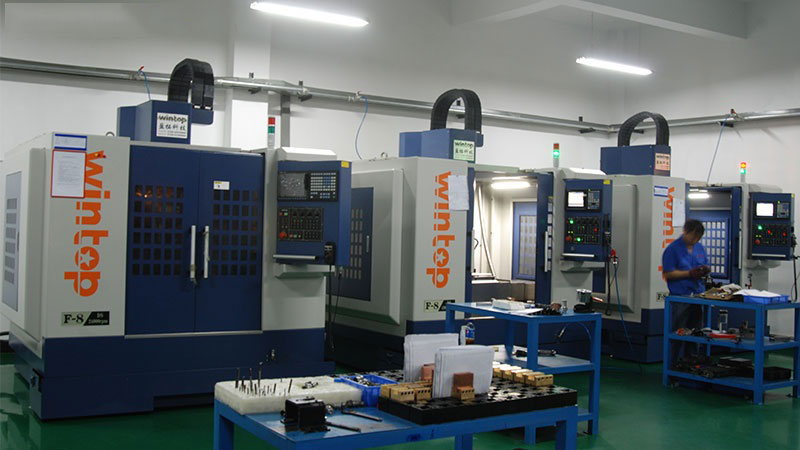
Category: Custom molds for resin

  • plastic mold customization: Best Suppliers & Quality C 2026

    For overseas buyers, the decision to import molds from China represents a significant strategic advantage, offering unparalleled cost efficiency and manufacturing scalability. However, the journey from concept to a perfect, production-ready plastic mold is fraught with potential pitfalls. Navigating the vast landscape of China’s manufacturing sector requires a methodical approach to ensure you secure both quality and value. This guide for 2026 cuts through the noise, providing actionable, professional insights to solve real problems in **plastic mold customization** and secure a reliable partnership with a top-tier China mold factory.

    The cornerstone of a successful import project is rigorous supplier verification. The era of selecting a partner based solely on an Alibaba storefront is over. In 2026, due diligence must be multi-layered. Start with a deep dive into the supplier’s specialization. A factory claiming to make “all molds” may master none. Seek out manufacturers with proven portfolios in your specific industry, whether automotive components, consumer electronics, or medical devices. Essential verification steps include a formal business license check, a virtual or in-person factory audit to assess machinery (like CNC, EDM, and injection molding capabilities), and most critically, contacting past overseas clients. Request detailed case studies and insist on speaking directly to international references to gauge communication reliability, problem-solving skills, and after-sales support. This process transforms an unknown vendor into a vetted procurement partner.

    Once a qualified supplier is shortlisted, mastering the technical and commercial negotiation phase is crucial. Clear, unambiguous communication of your specifications is non-negotiable. Provide comprehensive 3D drawings (STEP or IGES files are preferred), material specifications (e.g., POM, ABS, PP), expected cavity numbers, and target cycle times. Discuss and agree upon the mold steel grade (such as 718H, S136, or P20) upfront, as this is a primary cost and quality driver. For 2026, be prepared to negotiate terms that protect both parties: a staged payment plan (e.g., 30% deposit, 40% after T1 sample approval, 30% before shipment), detailed timelines with penalties for delays, and clear intellectual property (IP) protection clauses in the contract. Defining all these elements before work begins prevents costly misunderstandings and establishes a professional framework for the entire **plastic mold customization** project.

    Proactive quality control integrated throughout the manufacturing process, not just at shipment, is what separates successful imports from costly failures. Insist on a defined Quality Control (QC) protocol with your China mold factory. This should include at least three critical checkpoints: a pre-production meeting to confirm all design for manufacturability (DFM) feedback, an in-process inspection of the mold core and cavity (often via photos or video), and a final sample approval process. The T1 sample from the **injection mold** is the most important milestone. Upon receipt, conduct a thorough dimensional inspection, often requiring a Coordinate Measuring Machine (CMM) report from the supplier, and test the samples on your production line or under real-world conditions. Do not approve mass production or release final payments until the T1 samples meet all functional and aesthetic requirements. Engaging a trusted third-party QC agency in China for an on-site inspection during the final sample stage is a highly recommended investment for high-value projects.

    The final stage—logistics and post-sales support—is where long-term partnerships are solidified. Professional mold handling, packaging, and shipping are essential to protect your investment. Ensure the supplier uses proper wooden crates with desiccant to prevent rust during ocean freight. Discuss Incoterms clearly; FOB is common, but you may consider CFR for more control. Crucially, a reliable supplier views the shipment of the mold as the beginning of the support phase, not the end. Confirm the terms of their warranty, typically covering workmanship and material defects for 12-24 months. Ensure they commit to providing timely technical support for mold maintenance and troubleshooting, even offering spare part services. This enduring support system is a key indicator of a supplier’s confidence in their quality and commitment to a lasting business relationship.

    Importing a custom plastic mold from China in 2026 is a highly rewarding endeavor when approached with precision and strategic partnership. The landscape is competitive, and the best suppliers are those who welcome thorough verification, transparent communication, and collaborative quality control. By methodically focusing on supplier verification, detailed technical procurement, integrated quality checks, and secured post-sales support, you transform the complex process of **plastic mold customization** into a streamlined, reliable channel for gaining a formidable competitive edge. Your ultimate goal is not merely to purchase an **injection mold**, but to establish a productive, long-term manufacturing alliance that drives innovation and growth for years to come.

    Work With Us

    As a professional China mold manufacturer, we provide one-stop mold solution for overseas buyers.
    📞 Phone: +86-18605944639
    💬 WhatsApp: +8618605944639
    🌐 Website: bestmoldworks.com
    📧 Email: [email protected]
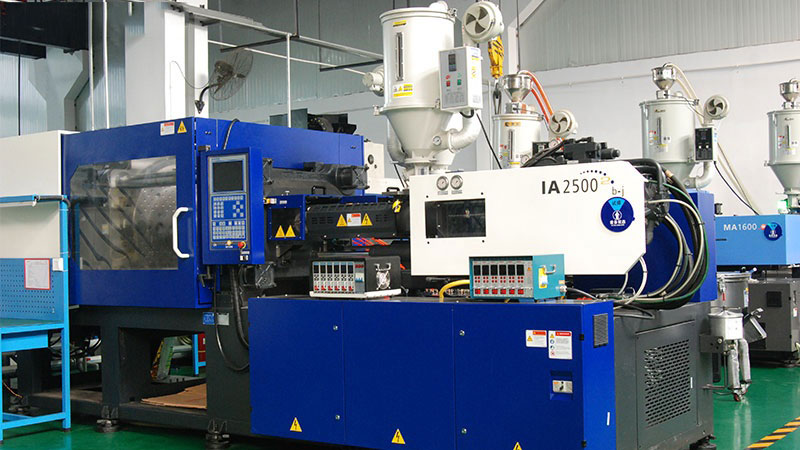
  • mold Manufacturerturers in China: Expert Tips & Soluti 2026

    For global businesses, from ambitious startups to established OEMs, sourcing molds from China represents a significant strategic advantage. The combination of advanced technical capabilities, extensive material options, and competitive pricing is compelling. However, the path to a successful partnership with mold manufacturers in China is often paved with questions about quality, communication, and reliability. This guide cuts through the uncertainty, offering actionable, professional solutions tailored for the 2026 procurement landscape, ensuring you can leverage China’s manufacturing prowess with confidence.

    The cornerstone of a successful import project is selecting the right partner. Moving beyond simple online directories is crucial. Begin with a multi-faceted supplier verification process. Scrutinize the manufacturer’s website for technical case studies, not just glossy images. A reputable China mold factory will proudly detail projects, specifying materials, tolerances, and industries served. Utilize third-party verification platforms to check business licenses and export credentials. However, the most critical step is a live video audit. Request a real-time factory tour via video call. This allows you to assess workshop organization, machinery condition (look for brands like DMG Mori, Sodick, or Haitian injection molding machines), and in-house capabilities like EDM, CNC, and CMM inspection. This proactive verification separates credible mold manufacturers in China from mere trading companies.

    Once a potential partner is identified, crystal-clear technical communication becomes your most powerful tool. Ambiguity is the primary cause of mold defects and project delays. Develop a comprehensive and non-negotiable Request for Quotation (RFQ) package. This must include not just 2D drawings, but 3D CAD files (STEP or IGS format), a complete bill of materials specifying steel grade (e.g., P20, H13, S136 for corrosion resistance), and detailed surface finish requirements (SPI standards). Explicitly state critical tolerance zones. Furthermore, mandate a formal Design for Manufacturability (DFM) report before production begins. A competent supplier will analyze your design and suggest modifications to improve moldability, reduce cost, and enhance longevity. This collaborative review phase is where expertise shines and prevents costly revisions later.

    Managing quality control remotely requires a structured, evidence-based approach. Do not rely on a single pre-shipment inspection. Implement a multi-stage quality control protocol. Key inspection points should be agreed upon in the contract. First, require material certification for the core and cavity steel. Next, insist on photos and videos of the first article T1 samples from the injection mold, along with dimensional inspection reports from their CMM. For high-value molds, investing in a third-party quality inspector for the Final Random Inspection (FRI) at the factory is wise. Additionally, discuss and agree on the mold trial process: how many trial shots will be conducted, what test parameters will be recorded (pressure, temperature, cycle time), and how sample parts will be shipped to you for approval. This layered QC strategy provides visibility at every milestone.

    The commercial and logistical framework is what secures the entire endeavor. A professional proforma invoice (PI) should detail every cost element: mold cost, trial cost, sample shipping, and main production tooling payment terms. A standard payment structure like 50% deposit, 40% after T1 sample approval, and 10% before shipment is common and balances risk. Crucially, ensure the contract includes clear terms for warranty (typically 12-18 months for workmanship and materials), responsibilities for mold repair and maintenance, and ownership of intellectual property and design files. On the logistics front, understand Incoterms 2020; FOB is standard, giving you control over shipping and insurance. Plan for safe, crated packaging to prevent damage in transit and ensure all customs documentation, including a detailed commercial invoice and packing list, is accurately prepared by your supplier.

    Forging a successful partnership with mold manufacturers in China is a deliberate process of due diligence, precise communication, and structured oversight. By rigorously verifying your China mold factory, enforcing clear technical dialogues, implementing staged quality control, and solidifying robust commercial terms, you transform the perceived risks of overseas procurement into a reliable competitive edge. The landscape in 2026 demands this professional, solution-oriented approach. When executed correctly, it leads to more than just a transaction; it establishes a valuable, long-term supply chain asset capable of bringing your product visions to life with efficiency, quality, and scalability.

    Work With Us

    As a professional China mold manufacturer, we provide one-stop mold solution for overseas buyers.
    📞 Phone: +86-18605944639
    💬 WhatsApp: +8618605944639
    🌐 Website: bestmoldworks.com
    📧 Email: [email protected]
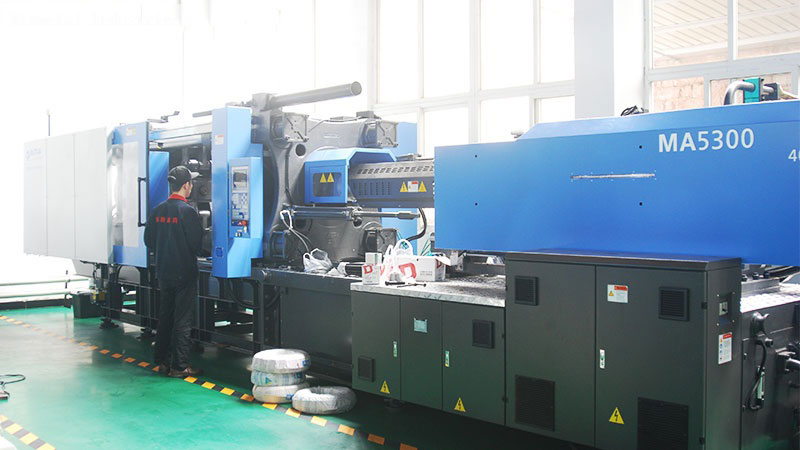
  • custom molded part: Best Suppliers & Quality Control 2026

    For overseas buyers and procurement specialists, sourcing a custom molded part represents a critical juncture in product development. It balances innovation with practicality, demanding precision, reliability, and cost-effectiveness. China remains the global epicenter for mold manufacturing, offering unparalleled expertise and scale. However, navigating this vast landscape to secure a high-quality custom molded part requires a strategic, informed approach. This guide for 2026 cuts through the noise, providing actionable frameworks for supplier verification and robust quality control, ensuring your project’s success from drawing to delivery.

    The foundation of a successful import project is selecting the right China mold factory. The era of simply comparing quotes is over. In 2026, deep supplier verification is non-negotiable. Begin by scrutinizing technical capabilities. A proficient supplier should readily discuss your part’s material science, wall thickness, gate location, and ejection strategy. Request detailed case studies of similar projects, focusing on complexity rather than just industry. Utilize video conferencing for virtual factory tours; observe the workshop organization, machinery brands (e.g., Haitian, Engel, or Fanuc injection molding machines), and the presence of dedicated quality labs. Crucially, verify their experience with export standards and familiarity with your market’s regulatory requirements. Third-party verification platforms and in-depth reference checks with their existing overseas clients provide an unbiased layer of confidence before any commitment is made.

    Once a technically capable partner is shortlisted, the focus shifts to collaborative design and prototyping. The design-for-manufacturability (DFM) stage is where a great China mold factory proves its value. Expect and require a formal DFM report. This document should highlight potential issues in your initial design, suggest modifications for easier molding, reduced cost, and enhanced part strength, and confirm the selected material’s suitability. For your custom molded part, this phase often includes the creation of 3D-printed or soft-tooled prototypes for form and fit testing. Do not rush this stage. Investing time in perfecting the design and prototyping minimizes costly modifications to the hardened steel injection mold later. Clear communication here, using annotated 3D files and agreed-upon change logs, is essential to align expectations.

    The heart of quality control is embedded during mold manufacturing and sampling. Insist on a staged inspection protocol. Key milestones include a pre-production meeting to review mold design, a first article inspection (FAI) after the mold is machined but before heat treatment, and a critical sample evaluation from the initial mold trials. During T1 trials, the supplier should provide a detailed mold trial report with parameters, pictures of samples, and dimensional measurement data against your CAD model. For precision components, coordinate measuring machine (CMM) reports are standard. This is the moment to be meticulous. Any sink marks, flash, or dimensional variances must be addressed through mold adjustments now. A reliable partner will be transparent during this iterative process, viewing it as a collaborative effort to achieve sign-off on a perfect production tool.

    Securing consistent quality in mass production demands a clear, documented quality agreement. This goes beyond a simple certificate of compliance. Your agreement should specify the AQL (Acceptable Quality Level) for critical, major, and minor defects, outline the inspection methodology (e.g., frequency, sample size), and list the exact measurement equipment to be used. For ongoing production, consider implementing a combination of remote and on-site audits. Live video feeds from the production line for periodic checks, coupled with pre-shipment inspection reports from a trusted third-party or your own appointed agent, provide comprehensive oversight. Modern suppliers often integrate digital quality management systems, allowing for real-time tracking of production batches and quality data, a trend that is becoming standard for forward-thinking China mold factories in 2026.

    Final logistics and long-term partnership management complete the cycle. Ensure your supplier understands international shipping requirements, including proper mold crating, documentation for customs, and Incoterms clarity (FOB, EXW, etc.). For the injection mold itself, discuss maintenance schedules, spare component packages, and the protocol for future design revisions or production resumptions. Building a true partnership with your chosen manufacturer transforms a transactional purchase into a strategic asset. Regular performance reviews, open feedback loops, and fair dealings encourage preferential treatment, proactive problem-solving, and innovation in future projects.

    Importing a high-quality custom molded part from China in 2026 is a disciplined process of strategic partner selection and rigorous process control. It moves from price-centric sourcing to value-driven collaboration. By mastering supplier verification, engaging deeply in DFM, enforcing staged mold inspections, and instituting clear production quality agreements, overseas buyers can mitigate risk and unlock the immense potential of Chinese manufacturing. The goal is not just to procure a component but to build a reliable extension of your engineering and supply chain, ensuring that every batch meets the exacting standards your product and market demand.

    Work With Us

    As a professional China mold manufacturer, we provide one-stop mold solution for overseas buyers.
    📞 Phone: +86-18605944639
    💬 WhatsApp: +8618605944639
    🌐 Website: bestmoldworks.com
    📧 Email: [email protected]
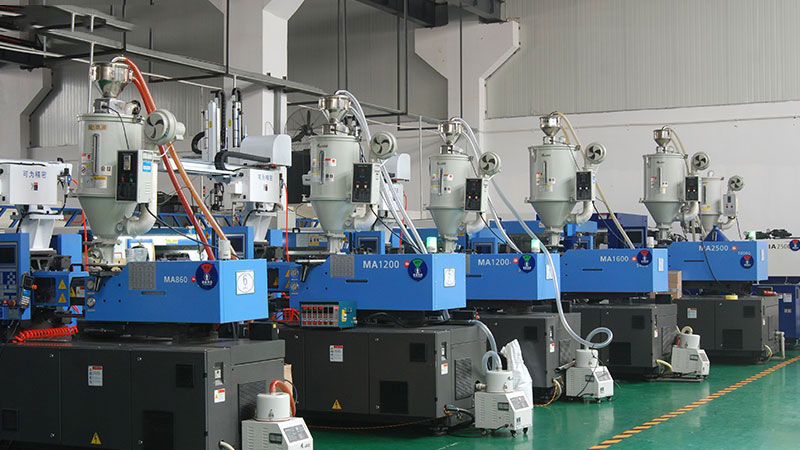
  • Custom molds for resin: Ultimate Guide for Buyers 2026

    For overseas businesses, from boutique artisans to industrial manufacturers, sourcing custom molds for resin presents a transformative opportunity. China remains the global epicenter for mold manufacturing, offering unparalleled expertise, scalability, and cost efficiency. However, navigating this complex landscape requires more than just finding a low quote; it demands a strategic approach to procurement, verification, and quality management. This ultimate guide for 2026 is designed to equip you with actionable, professional insights to streamline your import process, mitigate risks, and secure a partnership that delivers precision, reliability, and value.

    The foundation of a successful project lies in selecting the right China mold factory. This step transcends basic online directories. Begin by conducting a deep-dive technical assessment. A proficient supplier for custom molds for resin should demonstrate a portfolio showcasing expertise in both the injection mold process for thermoplastics and, critically, molds designed for various resin types, including epoxy, polyurethane, and silicone casting. Examine their engineering capability: do they utilize advanced flow simulation software to predict and prevent defects like air bubbles or incomplete filling? Can they advise on material selection, such as pre-hardened steels, aluminum for shorter runs, or polished cavities for optical clarity? Prioritize factories that ask detailed questions about your resin’s viscosity, cure time, exothermic reaction, and intended demolding process. This technical dialogue is your first indicator of a partner versus a mere processor.

    Once a shortlist is established, rigorous supplier verification is non-negotiable. In 2026, due diligence must be digital and physical. Start with a comprehensive audit of business licenses and export records. However, move swiftly to virtual factory tours via live video call—request to see their CNC, EDM, and polishing workshops in real-time. Scrutinize their quality control (QC) infrastructure: are coordinate measuring machines (CMM), optical comparators, and durometers visibly present and operational? Demand and contact references from past international clients, specifically those in your industry. Furthermore, verify their understanding of international standards; familiarity with ISO 9001:2015 or IATF 16949 procedures, while not always mandatory for smaller shops, indicates a systematic approach to quality. This phase is an investment in risk prevention, ensuring the entity you engage is credible, capable, and culturally aligned with professional procurement practices.

    The heart of your engagement is the technical and commercial agreement. A professional Request for Quotation (RFQ) package is your primary tool. This must extend beyond part drawings and include a fully detailed specification document. Specify the mold base standard (e.g., DME, HASCO, or local standard), steel grade and hardness, surface finish requirements (e.g., SPI A1 for mirror finish), and critical tolerances. Clearly outline the resin material you will use, as shrinkage rates vary. Crucially, define the approval process: who will conduct the initial sample inspection, and what are the acceptance criteria? The commercial terms should be equally precise. Negotiate a payment schedule tied to milestones (e.g., 30% upon order, 40% after T1 sample approval, 30% before shipment). Always insist on a pre-shipment inspection (PSI) conducted by a third-party or your appointed agent to verify the mold’s dimensions, function, and finish before final payment is released. This structured approach aligns expectations and protects both parties.

    Proactive quality control cannot be an afterthought; it must be integrated throughout the manufacturing lifecycle. Establish clear communication protocols with your project manager at the China mold factory. Request regular updates, including photos and videos of key stages: material certification for the steel, finished cavity and core blocks, first shots (T1 samples) using a comparable material. For critical custom molds for resin, consider engaging a local sourcing agent or a dedicated QC inspector for on-site visits during the trial phase. The trial sample is your most valuable QC checkpoint. Test it rigorously with your actual resin mixture, evaluating not just the final part but also the molding experience—ease of release, flow marks, and cycle time. Document all feedback formally and ensure the supplier acknowledges and agrees to a corrective action plan for any deviations. This hands-on, evidence-based oversight is what separates successful, long-term import operations from costly failures.

    Finally, plan for the total lifecycle of your mold. Discuss post-sales support and maintenance at the contract stage. A reliable supplier should provide a comprehensive mold manual, including assembly drawings, maintenance schedules, and a list of spare components. Inquire about their policy on design modifications or future cavity additions. Logistics also require careful planning. Work with your supplier to choose the optimal incoterm (FOB is commonly recommended for greater control over shipping). Ensure the mold is properly preserved with anti-rust treatment and securely packed in a custom wooden crate. Arrange for adequate marine insurance to cover transit risks. Upon arrival, have a technician ready to inspect for shipping damage and perform initial maintenance before putting the tool into production.

    Importing molds from China in 2026 is a strategic endeavor that balances significant opportunity with manageable risk. The journey from concept to a perfect resin cast hinges on meticulous supplier selection, enforceable agreements, and relentless quality focus. By viewing your chosen China mold factory as a technical partner and employing the structured procurement and verification steps outlined, you transform a complex international transaction into a reliable supply chain asset. This professional approach not only secures the precision tooling you require today but also builds a foundation for innovation and growth for years to come.

    Work With Us

    As a professional China mold manufacturer, we provide one-stop mold solution for overseas buyers.
    📞 Phone: +86-18605944639
    💬 WhatsApp: +8618605944639
    🌐 Website: bestmoldworks.com
    📧 Email: [email protected]
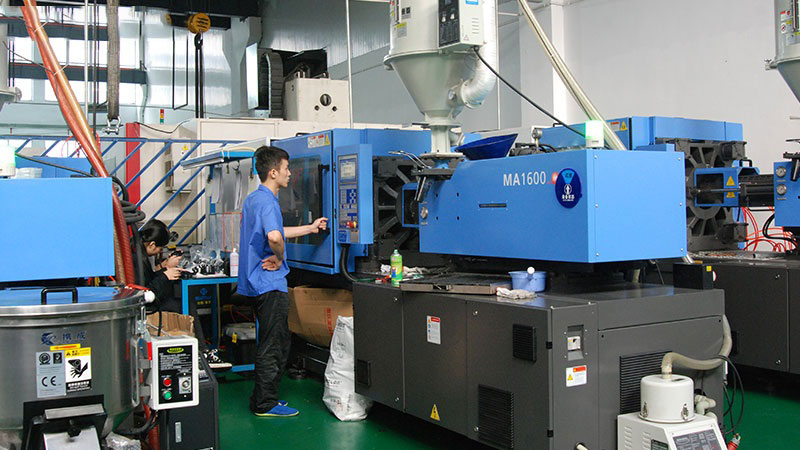
  • custom injection mould manufacturer: Expert Tips & Sol 2026

    Navigating the landscape of manufacturing in China presents a significant opportunity for overseas buyers, particularly when it comes to procuring custom injection molds. The potential for cost savings, rapid prototyping, and scalable production is immense. However, the journey from concept to receiving a high-quality, durable injection mold is fraught with potential pitfalls if not approached with diligence and strategic insight. As we look toward 2026, the dynamics of global supply chains and manufacturing technology continue to evolve, demanding a more sophisticated approach from international procurement teams. This guide is designed to cut through the noise and provide you with actionable, expert strategies to identify, vet, and collaborate with a top-tier custom injection mould manufacturer in China, ensuring your project’s success from the first drawing to the final production run.

    The cornerstone of a successful import project lies in meticulous supplier verification. Moving beyond a simple Google search or Alibaba listing is non-negotiable in 2026. Begin by creating a longlist of potential China mold factory partners using industry-specific B2B platforms, trade associations, and referrals from your network. The critical phase is deep due diligence. Request detailed company profiles that include years in operation, machinery lists (look for modern CNC, EDM, and mold testing equipment), and case studies relevant to your industry. Verify business licenses and export credentials. Crucially, initiate a video conference to conduct a virtual factory tour; this allows you to assess workshop organization, technology in use, and quality culture firsthand. Pay close attention to their engineering team’s capability, as the design phase is where a great mold is born. A reliable custom injection mould manufacturer will be transparent during this process and eager to demonstrate their competence.

    Once a potential partner is identified, mastering the technical and commercial communication phase is essential. The single most important document is a comprehensive, unambiguous Request for Quotation (RFQ). Your RFQ should include not just part drawings, but a full specification: material type (e.g., ABS, PP), expected annual volumes, cavitation requirements, mold life expectancy (number of shots), surface finish specifications (SPI standards), and tolerance requirements. Clearly state all deliverables: are 3D mold design drawings, DFM (Design for Manufacturability) reports, and sample parts included? This clarity prevents costly misunderstandings later. When evaluating quotes, be wary of prices that seem too good to be true. A significantly lower bid often reflects compromises in steel quality (using local S136 instead of imported ASSAB, for example), fewer design hours, or inferior cooling channel design that will affect cycle time and part quality. A professional partner will provide a detailed breakdown and justify their pricing based on specifications.

    Proactive and structured quality control is your primary tool for risk mitigation. Do not assume quality will be managed for you; it must be audited. Insist on a staged inspection protocol integrated into the contract. Key inspection points include: a pre-production check of mold steel material certificates, an in-process inspection during mold machining (often via photos or video of critical features), and a First Article Inspection (FAI) upon mold trial. For the FAI, the supplier should provide a detailed mold trial report with process parameters, pictures of injected samples, and dimensional measurement results against your drawing. For high-value or high-volume projects, engaging a local third-party quality inspection firm to conduct an on-site Tooling Tryout Audit (T1 sample inspection) is a highly recommended investment. They can verify part dimensions, functionality, and the mold’s performance under production conditions, providing an unbiased report before the mold is shipped.

    The final stages of procurement and logistics require careful planning to ensure a smooth transition to production. Clearly define payment terms that balance risk; a common and fair structure is 30-50% deposit, 40-60% after approval of sample parts, and the balance before shipment. Use secure payment methods like Letters of Credit (L/C) or escrow services for large orders. Discuss intellectual property protection upfront; a reputable China mold factory will sign a Non-Disclosure Agreement (NDA) and may agree to mold ownership clauses. For logistics, understand Incoterms 2020 thoroughly. FOB (Free On Board) is common, giving you control over the shipping line and insurance. Ensure the supplier properly prepares the mold for shipping—this includes rust prevention, secure packaging in a wooden crate, and providing a complete set of documentation (final drawings, maintenance manual, and spare parts list). Proper planning here prevents delays and damage upon arrival.

    Looking ahead to 2026, the most successful partnerships will be built on collaboration and a long-term perspective. View your chosen custom injection mould manufacturer not as a mere vendor, but as a technical partner. Foster open communication, provide clear feedback, and be reasonable with timelines. Discuss future needs; a well-made mold may require maintenance or modifications for new product versions. Building this relationship ensures priority service, continuous improvement, and stability in your supply chain. The goal is to move beyond transactional interactions to a partnership where the supplier is invested in the success of your product, leading to innovation, cost savings over the product lifecycle, and a reliable foundation for your manufacturing operations.

    In conclusion, importing injection molds from China remains a strategically sound decision for overseas buyers, but its success hinges on a methodical and informed approach. The landscape in 2026 demands professionalism at every step: from rigorous supplier verification and crystal-clear technical communication to relentless quality control and strategic partnership building. By implementing these expert tips, you transform the procurement process from a risky endeavor into a controlled, predictable, and highly rewarding operation. The right China mold factory is an invaluable asset, providing not just a tool, but the very foundation for your product’s quality, cost-efficiency, and market success. Your diligence today in selecting and managing this partnership is the most critical investment you can make in your product’s future.

    Work With Us

    As a professional China mold manufacturer, we provide one-stop mold solution for overseas buyers.
    📞 Phone: +86-18605944639
    💬 WhatsApp: +8618605944639
    🌐 Website: bestmoldworks.com
    📧 Email: [email protected]

  • plastic injection mould Manufacturerturer in China: U 2026

    For overseas businesses, sourcing a reliable plastic injection mould manufacturer in China remains one of the most strategic decisions to achieve cost efficiency and scale production. However, the landscape is vast and navigating it can be daunting, filled with concerns about quality, communication, and intellectual property. As we move into 2026, the dynamics of procurement are evolving, demanding more sophisticated approaches from international buyers. This guide cuts through the noise to provide you with actionable, professional strategies for successfully importing high-quality injection molds from China, turning potential challenges into a competitive advantage for your business.

    The foundation of a successful import project lies in meticulous supplier verification. Moving beyond a simple Alibaba search is crucial for 2026. Start by identifying a shortlist of potential China mold factory partners through industry-specific B2B platforms, trade shows like Chinaplas, and verified supplier directories. Scrutinize their business licenses, export history, and client portfolio. Look for manufacturers with experience in your specific industry, whether it’s automotive components, medical devices, consumer electronics, or packaging. A critical step is to conduct a virtual or, ideally, in-person audit. Request a live video tour of their facility to assess their machinery, workshop organization, and engineering team. Verify their capabilities in mold flow analysis, the types of steel they commonly use, and their quality control processes. This due diligence upfront prevents costly mistakes and aligns you with a partner whose capabilities match your technical requirements.

    Once a potential partner is identified, mastering the technical and commercial communication phase is your next hurdle. Clearly defining your specifications in a comprehensive Request for Quotation document is non-negotiable. This should include detailed 3D part drawings, material specifications, expected annual volumes, tolerance requirements, and surface finish expectations. When discussing pricing with your chosen plastic injection mould manufacturer in China, understand the cost breakdown. A suspiciously low quote often signals compromises on steel quality, machining precision, or post-processing. Focus on total value: a slightly higher initial investment in a robust mold saves immense costs in maintenance, downtime, and part rejection rates during production. Furthermore, establish clear protocols for design changes, payment terms, and milestone-based payments to protect both parties. Using precise technical language and confirming all agreements in writing minimizes the risk of misunderstandings.

    The core of your project’s success rests on a rigorous and transparent quality control framework. Do not assume quality; build it into the process contractually. Insist on a First Article Inspection report before mass production begins. This involves measuring the first samples from the new mold against your CAD drawings to verify all critical dimensions. Partner with a reputable third-party quality inspection service in China to conduct this inspection and periodic audits during production. These inspectors act as your eyes on the ground, checking for defects like sink marks, flash, or short shots, and verifying the consistency of the injection molding process. Define Acceptable Quality Limits together with your supplier. A professional China mold factory will welcome this structured approach as it demonstrates your seriousness and reduces future disputes. This proactive investment in quality control is your strongest insurance policy against receiving substandard goods.

    Finally, plan for the entire lifecycle of the mold, from logistics to long-term partnership. Incorrect shipping and poor maintenance can ruin a perfectly crafted injection mold. Discuss and agree on packaging standards—molds should be coated with anti-rust agents and securely crated. Clarify shipping terms and responsibilities. For long-term projects, discuss mold maintenance and repair services. A reliable supplier will offer support for spare parts and repairs. Furthermore, as we look to 2026, consider the growing importance of sustainability and digital integration. Inquire about a manufacturer’s approach to energy-efficient machinery and material traceability. Establishing a relationship with a competent plastic injection mould manufacturer in China is not just a transaction; it’s a strategic partnership. Effective communication, mutual respect, and clear contracts foster collaboration that can lead to innovation and continuous improvement for your product line.

    Importing molds from China in 2026 requires a blend of traditional procurement diligence and modern, tech-enabled verification strategies. The journey from identifying a potential China mold factory to receiving a perfect injection mold is paved with detailed specification, relentless quality control, and clear communication. By implementing these actionable steps—thorough supplier verification, precise technical communication, enforced quality inspections, and lifecycle planning—you transform the complexity of overseas procurement into a reliable, streamlined process. The goal is to build a partnership that delivers not just a tool, but a foundation for your product’s quality, cost-effectiveness, and market success for years to come.

    Work With Us

    As a professional China mold manufacturer, we provide one-stop mold solution for overseas buyers.
    📞 Phone: +86-18605944639
    💬 WhatsApp: +8618605944639
    🌐 Website: bestmoldworks.com
    📧 Email: [email protected]

  • stamping mold manufacturer in china: Best Suppliers & 2026

    For overseas buyers in the automotive, appliance, electronics, and hardware industries, sourcing a reliable stamping mold manufacturer in China represents a significant strategic advantage. The combination of advanced engineering, cost-effective production, and scalable capacity is compelling. However, navigating this complex landscape to find a partner that delivers consistent quality, on-time delivery, and clear communication can be daunting. This guide is designed to cut through the noise, providing you with a professional, actionable roadmap for successful procurement in 2026 and beyond. We will focus on practical steps for supplier verification, robust quality control, and building partnerships that ensure your stamped metal parts meet exact specifications.

    The journey begins with meticulous supplier identification and verification. A simple online search for a “stamping mold manufacturer in China” yields thousands of results, making discernment critical. Move beyond glossy websites and consider comprehensive verification. Start by checking business licenses and registrations on official Chinese platforms. Prioritize suppliers with proven export experience, specifically with your region, as they will understand international standards, shipping logistics, and contractual norms. A crucial step is to analyze their technical portfolio; a proficient China mold factory should showcase a range of projects, including complex progressive and transfer molds, with details on materials used (like D2, SKD11, or carbide) and the thickness and type of metals they specialize in. Never underestimate the power of a virtual audit—request a live video tour of their facility. This allows you to assess their machinery (the presence of high-speed CNC machines, wire-cut EDMs, and precision grinders is essential), workshop organization, and engineering team in real-time.

    Once a shortlist is established, deepening the technical and commercial dialogue is key. When you request a quotation, provide a comprehensive and clean 3D model (e.g., STEP, IGES) and detailed 2D drawings with unambiguous tolerances, material specifications for both the mold and the final stamped part, and expected annual volumes. A competent manufacturer will review these files and engage in a DFM (Design for Manufacturability) feedback process. Their suggestions on simplifying geometry, adjusting bend radii, or optimizing strip layout for material savings are strong indicators of engineering expertise. Simultaneously, clarify all commercial terms. Understand their pricing structure—is it a lump sum for the mold plus a per-part price? What are the payment terms (e.g., 40% deposit, 50% after T1 sample approval, 10% before shipment)? Ensure Incoterms 2020 (like FOB Shanghai or CIF your port) are explicitly stated to avoid hidden logistics costs. This stage separates transactional vendors from true partners.

    The cornerstone of importing high-performance stamping molds is implementing a multi-stage quality control protocol. Do not wait until shipment to inspect the final product. Insist on critical stage inspections. The first inspection should occur after the mold base machining and before heat treatment. The second, and most vital, is the T1 sample trial run. Ideally, you or a trusted third-party inspection agency should witness the sample trials in person or via live stream. During the trial, the mold should produce a statistically relevant number of parts. These samples must be measured against your CAD data using CMM (Coordinate Measuring Machine) reports, checked for critical dimensions, surface finish, burr presence, and consistency. Test the parts in your assembly fixture if possible. Document everything with high-resolution photos and videos. This hands-on approach to quality control mitigates the risk of receiving a non-conforming tool, which is far more costly to rectify after it has been shipped to your country.

    Building a successful long-term relationship with your chosen China mold factory extends beyond the first order. View them as an extension of your engineering department. Foster transparent and regular communication, using tools like WeChat or WhatsApp for quick updates, supplemented by formal email correspondence. Consider starting with a smaller, less complex mold project to evaluate their performance before committing to larger, mission-critical tools. A reliable partner will also offer clear after-sales support. What is their policy on mold modification if your part design changes slightly? Do they provide spare parts like punches and dies? How do they handle wear and tear over the mold’s lifespan? Establishing these protocols upfront ensures operational continuity. Furthermore, while your focus is on stamping, many integrated manufacturers also excel at injection mold production. Developing a relationship with a supplier capable of handling both your metal and plastic component tooling can streamline your entire supply chain, offering significant efficiency gains.

    In conclusion, sourcing from a top-tier stamping mold manufacturer in China in 2026 is a highly viable strategy for achieving competitive advantage, provided it is executed with diligence and strategic partnership in mind. The process demands a shift from viewing this as a simple procurement transaction to managing a technical collaboration. By rigorously verifying suppliers, engaging in deep technical discussions, enforcing stringent stage-by-stage quality control, and investing in relationship management, overseas buyers can unlock exceptional value. The landscape is evolving, with leading Chinese manufacturers investing heavily in automation and smart manufacturing. By following this professional framework, you position your business to not only find a supplier for today but to build a partnership with a China mold factory that will drive your product quality and innovation for years to come.

    Work With Us

    As a professional China mold manufacturer, we provide one-stop mold solution for overseas buyers.
    📞 Phone: +86-18605944639
    💬 WhatsApp: +8618605944639
    🌐 Website: bestmoldworks.com
    📧 Email: [email protected]

  • injection moulding factory: Complete Procurement Guide 2026

    For overseas buyers, sourcing precision tooling from China represents a significant strategic advantage, offering access to advanced manufacturing capabilities at competitive costs. However, navigating the vast landscape of suppliers to find a reliable partner can be daunting. This guide is designed to cut through the complexity, providing a clear, actionable framework for procuring high-quality injection molds from China in 2026. We will move beyond basic directories and focus on modern verification processes, contractual safeguards, and quality assurance protocols essential for a successful partnership with a Chinese mold factory.

    Mastering Supplier Discovery and Verification in the Digital Age

    The initial search for an injection moulding factory has evolved. While B2B platforms remain a starting point, sophisticated buyers now employ deeper verification tactics. Begin by identifying suppliers with a proven track record in your specific industry, whether automotive components, medical devices, or consumer electronics. Scrutinize their digital footprint: a professional website with detailed engineering case studies is more valuable than a generic product list. Utilize video conferencing for virtual factory tours, which have become a standard expectation. Pay close attention to their machinery portfolio; a modern China mold factory should showcase capabilities in CNC machining, EDM, and often, 3D printing for rapid prototyping. Crucially, verify business licenses and export credentials directly, and consider using third-party verification services to confirm operational legitimacy and financial stability before proceeding.

    The Technical Foundation: RFQ and Design for Manufacturability

    A precise Request for Quotation (RFQ) is the cornerstone of accurate pricing and timeline estimation. Simply sending a 3D model is insufficient. Your RFQ package must include comprehensive material specifications (intended resin and grade), detailed technical drawings with GD&T tolerances, expected annual volumes, and target part lifecycle. This is where early collaboration on Design for Manufacturability (DFM) becomes critical. A competent injection mold supplier will provide a formal DFM report, highlighting potential issues like wall thickness inconsistencies, undercuts, or gate locations that could affect cost, quality, or cycle time. Engaging in this iterative feedback loop before tooling commences prevents costly modifications later and establishes a collaborative tone for the project.

    Contractual Clarity and Intellectual Property Protection

    A robust contract is your primary legal safeguard. Move beyond simple purchase order forms. The agreement with your chosen injection mold manufacturer must explicitly define key terms: a detailed payment schedule (e.g., 30-50% deposit, balance before shipment), a irrevocable step-by-step project timeline with milestones, and full ownership of all design and tooling intellectual property. Stipulate that the mold design, all CAD files, and the physical tool itself are your property. Include penalties for delays and a clear protocol for handling engineering change orders (ECOs). For high-value projects, consider escrow payment services. This formal documentation aligns expectations and provides recourse, ensuring both parties are committed to a transparent partnership.

    Implementing a Proactive Quality Control Pipeline

    Passive inspection upon completion is a high-risk strategy. Instead, implement a staged quality control pipeline throughout the mold manufacturing process. Mandate that the supplier provides documented evidence at critical stages: material certificates for mold steel, photos of the finished mold cavity, and a first-article inspection report from the trial run. For high-stakes projects, hiring a local third-party quality inspection firm to conduct in-process audits is a wise investment. They can verify hardness testing, inspect critical dimensions on the semi-finished mold, and witness the initial trial shots. Define clear acceptance criteria for the Trial Sample Report (TSR), including part dimensions, weight, and visual standards. This hands-on approach to quality control mitigates the risk of receiving a non-conforming tool.

    Navigating Logistics, Communication, and Long-Term Partnership

    Finalizing the mold is only part of the journey. Discuss incoterms (FOB, EXW, CIF) explicitly to clarify responsibilities and costs for shipping and insurance. Professional mold packaging and crating are non-negotiable to prevent transit damage. Establish a primary and secondary communication channel, acknowledging the time zone difference. Designate a single point of contact on both sides for technical discussions. A reliable partner will not disappear after the sale; they will provide maintenance guidelines for the mold and be responsive to requests for future spare parts or minor modifications. Viewing the procurement as the start of a long-term relationship, rather than a one-time transaction, fosters better service and priority treatment for future projects.

    Conclusion

    Successfully importing an injection mold from China in 2026 demands a methodical, informed approach that blends technical diligence with strategic relationship management. By mastering modern supplier verification, insisting on collaborative DFM, securing your interests with a solid contract, implementing proactive quality control checks, and planning for the entire logistics and communication lifecycle, you transform a complex procurement challenge into a competitive advantage. The goal is to move from being just an overseas buyer to becoming a valued partner to a professional Chinese injection moulding factory. This foundation of clarity and mutual respect ensures you receive not just a tool, but a durable asset that delivers quality parts and drives your product’s success for years to come.

    Work With Us

    As a professional China mold manufacturer, we provide one-stop mold solution for overseas buyers.
    📞 Phone: +86-18605944639
    💬 WhatsApp: +8618605944639
    🌐 Website: bestmoldworks.com
    📧 Email: [email protected]

  • plastic mold manufacturers in china: Ultimate Guide f 2026

    For businesses worldwide, sourcing from plastic mold manufacturers in China remains a strategic move to achieve significant cost savings, access advanced manufacturing capabilities, and accelerate product development. However, the landscape is evolving rapidly. As we look toward 2026, successful procurement hinges on a more sophisticated approach that moves beyond simple price comparison. This ultimate guide provides actionable, forward-looking strategies for overseas buyers to navigate the complexities of importing high-quality molds from China, ensuring reliability, quality, and a strong return on investment.

    The foundation of a successful import project is identifying and verifying the right partner. The term “China mold factory” encompasses a vast spectrum, from small workshops to highly automated, technologically advanced enterprises. Your first step is to conduct deep due diligence. Utilize comprehensive supplier verification processes that go beyond a basic business license check. Scrutinize their portfolio for projects similar in complexity, material, and volume to yours. Insist on a virtual or, ideally, an in-person factory audit. Key areas to assess include the age and maintenance of their CNC, EDM, and CMM machines, their in-house design and engineering team’s expertise, and their standard operating procedures. In 2026, a reliable supplier will transparently share process documentation and have a track record you can verify through client references, specifically from other international buyers.

    Once a potential partner is shortlisted, mastering the technical and commercial discussion is critical. A professional China mold factory expects detailed inquiries. Provide a comprehensive RFQ package including not just a 3D model, but also material specifications, expected annual volumes, cavity requirements, and target part cost. Discuss the mold life expectancy—whether it’s for 100,000 shots or 1,000,000—as this dramatically impacts steel selection and construction. Clearly define the mold standard to be used, such as HASCO, DME, or LKM. Furthermore, negotiate a transparent payment schedule that protects both parties. A common structure like 30-40% deposit, 30-40% after T1 sample approval, and the balance before shipping is standard. Ensure all agreements on intellectual property, confidentiality, and tool ownership are cemented in a formal contract.

    Proactive and structured quality control is non-negotiable and is the single biggest factor in preventing costly delays and defects. Do not treat QC as an afterthought. Implement it at defined milestones throughout the mold manufacturing process. Key checkpoints include a pre-production meeting to review the mold design, a first article inspection after the mold trial, and a final pre-shipment audit. For the T1 samples, specify that they must be produced on the factory’s own injection molding machines under standard parameters, not hand-fed. Request a detailed mold trial report with data on cycle times, pressures, temperatures, and any issues encountered. For high-value tools, consider engaging a local third-party inspection agency to conduct an on-site inspection during the critical stages. This objective assessment provides an extra layer of security and ensures the mold meets all agreed-upon specifications.

    Effective communication and project management bridge the geographical and cultural gap. Establish a single point of contact on both sides who possesses technical English proficiency. Use collaborative tools for clear communication; share screens during video calls to review CAD designs or discuss sample issues. Implement a shared project timeline with clear milestones for design approval, material procurement, machining, assembly, and trial. Be aware of time zones and major Chinese holidays, like Chinese New Year, which can impact schedules. A professional supplier will provide regular updates without prompting. View this relationship as a partnership; investing time in clear, respectful, and consistent communication minimizes misunderstandings and builds a foundation for long-term collaboration, turning your chosen plastic mold manufacturers in China into a true extension of your own production team.

    Finally, plan for the total cost of ownership and the post-delivery relationship. The cheapest mold price can become the most expensive if it leads to production downtime, poor part quality, or a short service life. Factor in logistics, import duties, and potential costs for mold modifications. Discuss post-sales support upfront. What is the warranty period? How will design changes or damage repair be handled? Will they provide spare parts like ejector pins or heaters? A reputable supplier will stand behind their work and offer clear terms for ongoing support. As we advance into 2026, leading factories are also offering digital services like remote monitoring support and maintenance logs, adding further value to the partnership.

    Importing an injection mold from China in 2026 is a venture that rewards diligence, technical clarity, and strategic partnership. By rigorously verifying suppliers, mastering the technical procurement dialogue, implementing milestone-based quality control, managing communication effectively, and planning for the long term, overseas buyers can mitigate risks and fully capitalize on the expertise and efficiency that the Chinese mold-making industry offers. The goal is to transform a complex international procurement process into a streamlined, reliable, and highly competitive advantage for your business. This disciplined approach ensures that your engagement with plastic mold manufacturers in China is not just a transaction, but a cornerstone of your product’s success in the global marketplace.

    Work With Us

    As a professional China mold manufacturer, we provide one-stop mold solution for overseas buyers.
    📞 Phone: +86-18605944639
    💬 WhatsApp: +8618605944639
    🌐 Website: bestmoldworks.com
    📧 Email: [email protected]

  • silicone mold manufacturer in china: Ultimate Guide f 2026

    For businesses worldwide, from artisan food creators to industrial part producers, sourcing high-quality, cost-effective molds is a critical step in product development and manufacturing. China has long been the global epicenter for mold manufacturing, offering unparalleled expertise, scalability, and competitive pricing. However, for an overseas buyer, navigating this vast market to find a reliable silicone mold manufacturer in China can be daunting. This guide is designed to cut through the complexity. We provide a clear, actionable roadmap for your procurement journey in 2026, focusing on practical steps to ensure quality, reliability, and a successful partnership.

    Understanding the Landscape and Defining Your Requirements

    Before initiating contact with any China mold factory, clarity is your greatest asset. The term “silicone mold” itself spans a spectrum. Are you requiring food-grade platinum-cure silicone for chocolate or resin crafts, or high-temperature vulcanized (HTV) silicone for industrial injection mold applications? Precise specifications are non-negotiable. Develop a comprehensive technical data sheet outlining dimensions, tolerance levels (e.g., ±0.1mm), Shore hardness (A-scale), required certifications (FDA, LFGB, ROHS), intended use material (e.g., polyurethane resin, concrete, wax), and expected production volume. Furthermore, decide on your needed services: will the supplier handle design, provide prototyping, and manage post-mold services like trimming? A detailed Request for Quotation (RFQ) package with 2D/3D drawings prevents misunderstandings and allows for accurate, comparable quotes, setting a professional tone from the outset.

    The Strategic Search and Rigorous Supplier Verification

    The search phase is where many buyers encounter risk. Moving beyond simple Alibaba listings is crucial for serious procurement. Utilize a multi-platform approach: industry-specific B2B platforms like Global Sources, professional networking on LinkedIn to identify company principals, and attendance at major trade fairs such as the China International Mold & Die Exhibition. When you shortlist potential partners, verification is the critical next step. This goes beyond checking a business license. Insist on a virtual or, ideally, pre-order factory audit. A reputable silicone mold manufacturer in China will readily facilitate a video tour of their facility. Look for organized production floors, dedicated R&D and QC areas, and modern machinery. Request and contact at least three references from past overseas clients, specifically asking about communication, adherence to schedule, and problem-resolution. Third-party verification reports from agencies like SGS can further validate their operational and quality management systems.

    Mastering Communication and Prototyping for Quality Assurance

    Effective communication is the bridge between your design and the final product. Establish a single, clear point of contact on both sides who possesses technical English proficiency. Use visual aids relentlessly—annotated screenshots, markups on drawings, and short video clips can overcome language barriers. The prototyping stage is your primary quality control checkpoint, not merely a formality. Never skip it. A credible China mold factory will expect and encourage this step. Upon receiving the prototype, conduct rigorous testing under real-world conditions. Cast the intended material, check for air bubbles, dimensional accuracy, seam lines, and ease of demolding. Document all feedback with photos and precise measurements. This iterative process, though it may add time upfront, is far cheaper than correcting a full production run. Treat the prototype approval as a binding agreement on the final product’s standard.

    Navigating Logistics, Payment, and Building a Partnership

    Finalizing the commercial terms requires a balance of security and fairness. For new relationships, consider secure payment terms like 30-50% deposit with balance paid against copy of Bill of Lading, or using trade assurance platforms. For larger orders, Letters of Credit (L/C) offer mutual security. Incoterms 2020 are essential: FOB (Free On Board) is common, giving you control over shipping logistics and costs, while EXW (Ex Works) places full logistical responsibility on you. Factor in all costs—mold cost, shipping, insurance, and import duties—to calculate your true landed cost. Once production begins, request regular updates with photos or videos. Upon completion, a pre-shipment inspection, either by your agent or a third party, is a wise investment. View this transaction not as a one-off purchase but as the foundation of a strategic partnership. A reliable supplier becomes an extension of your R&D team, capable of supporting future projects and scaling with your business.

    Conclusion

    Importing molds from China in 2026 remains a highly strategic move for businesses seeking quality and value. The journey, from defining your specifications to receiving the finished molds, demands a methodical and informed approach. By investing time in thorough supplier verification, leveraging prototyping as a core quality control tool, and establishing clear, professional communication channels, you significantly mitigate the inherent risks of overseas procurement. The goal is to transform the complex process of finding a Chinese mold supplier into a streamlined, reliable pipeline for innovation and production. By following this guide, you are well-equipped to identify and collaborate with a professional silicone mold manufacturer in China, building a partnership that delivers not just a product, but a competitive advantage for years to come.

    Work With Us

    As a professional China mold manufacturer, we provide one-stop mold solution for overseas buyers.
    📞 Phone: +86-18605944639
    💬 WhatsApp: +8618605944639
    🌐 Website: bestmoldworks.com
    📧 Email: [email protected]