For overseas buyers, sourcing custom injection molding from China remains a strategic move to achieve significant cost savings, access advanced manufacturing capabilities, and accelerate product development. However, the landscape is evolving rapidly. The challenge in 2026 is no longer merely about finding a low-cost provider but about identifying a truly reliable partner capable of delivering consistent quality, transparent communication, and robust engineering support. This guide is designed to cut through the noise and provide you with actionable, up-to-date strategies for navigating the Chinese manufacturing ecosystem to secure a profitable and sustainable partnership for your injection mold and part production.
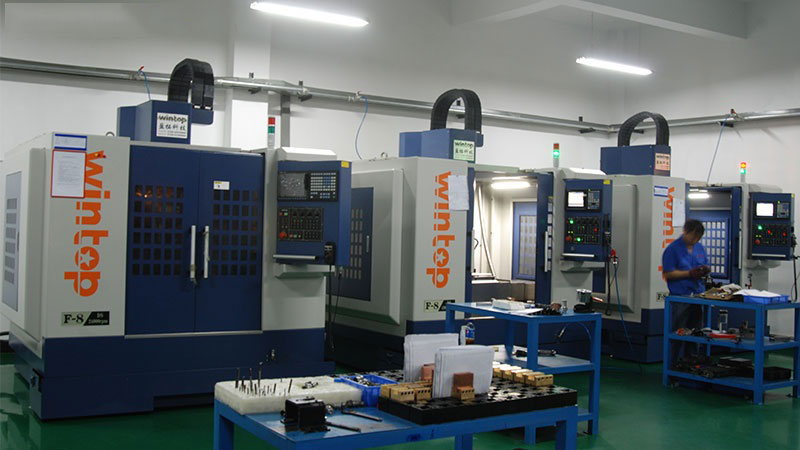
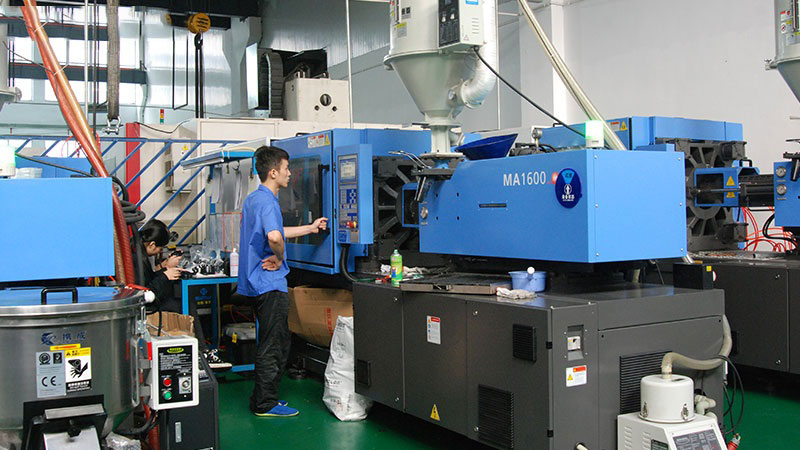
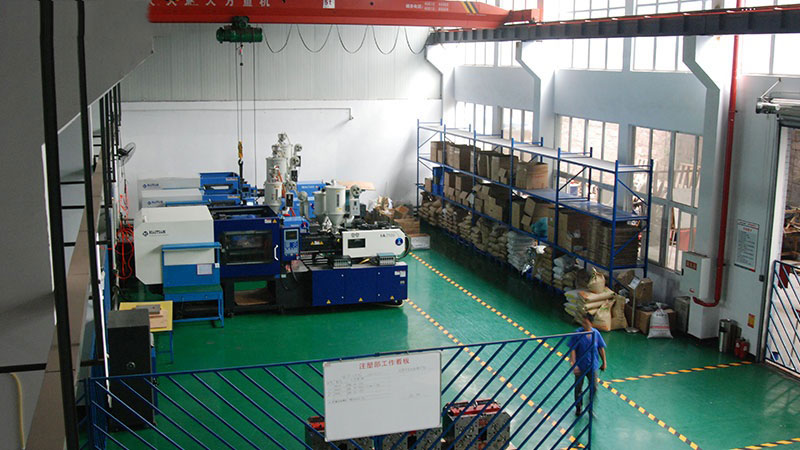
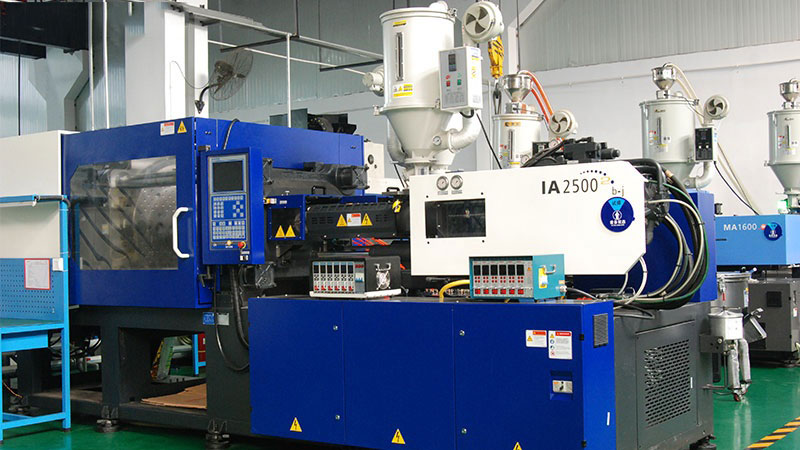
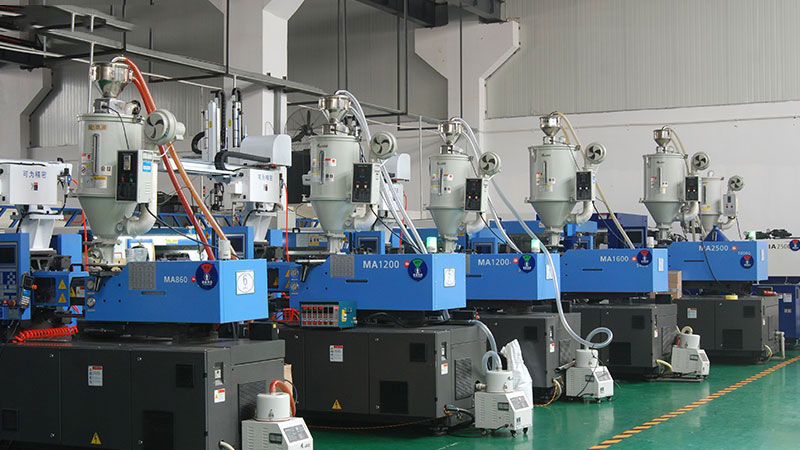
The cornerstone of a successful project lies in meticulous supplier verification, which has moved far beyond simple website checks. Begin with a deep technical audit. A competent China mold factory should readily provide evidence of their expertise in your specific industry, whether it be automotive, medical, consumer electronics, or packaging. Request detailed case studies and ask to speak with existing overseas clients. In 2026, leveraging professional third-party verification platforms and conducting virtual factory audits via live video stream is standard practice. Scrutinize their machine park: the age and origin of their CNC, EDM, and injection molding machines are direct indicators of their commitment to precision and repeatability. Do not underestimate the importance of asking about their software stack for design (e.g., CAD) and manufacturing (e.g., CAM, MES), as this impacts compatibility and efficiency. A reliable partner will be transparent and proud to showcase these assets.
Once a potential partner is shortlisted, the procurement and development phase demands a proactive approach to quality control from the very first drawing. The most effective strategy is to co-develop a comprehensive Product Quality Plan (PQP) before tooling begins. This document, agreed upon by both parties, should define all critical dimensions, material specifications, surface finish requirements, and testing protocols. It transforms subjective expectations into objective metrics. Insist on a First Article Inspection (FAI) report against this PQP once the initial samples are produced from the approved injection mold. Furthermore, consider implementing a staged payment schedule tied to key milestones: deposit upon order, payment after mold design approval, payment after successful T1 sample approval, and final payment after pre-shipment inspection. This aligns interests and ensures accountability at every step of the custom injection molding process.
Managing communication and logistics with precision is what separates adequate suppliers from exceptional partners. Establish a single point of contact on the supplier side who is technically fluent and possesses strong project management skills. Regular, structured update meetings—weekly during mold development and sampling—are non-negotiable. Utilize shared cloud platforms for drawing revisions, document approval, and progress tracking to maintain a single source of truth. For logistics, work with your manufacturer to decide on Incoterms 2026 that clearly delineate responsibilities. For high-value molds, consider door-to-door shipping with insurance. Plan for mold maintenance and storage; a reliable manufacturer will offer annual maintenance services and secure storage options for your tooling, ensuring its longevity and readiness for future production runs.
The final, critical step is the execution of rigorous pre-shipment inspections. Never allow shipment of mass production parts without an independent quality check. While the manufacturer will have their QC, hiring a reputable third-party inspection company to conduct an on-site inspection at the factory provides an unbiased assessment. The inspector will verify product quality against the agreed PQP, check packaging, and perform random sampling based on AQL (Acceptable Quality Level) standards. This step is your final safeguard, catching potential issues before they incur costly overseas freight, delays, and remediation. It also signals to your supplier that you are serious about quality, fostering a more diligent approach on their end. For the injection mold itself, a final dimensional report before shipment is advisable.
Successfully importing molds from China in 2026 requires a blend of traditional due diligence and modern, technology-enabled verification and communication practices. The goal is to build a relationship with a China mold factory that acts as an extension of your own engineering team. By focusing on in-depth supplier verification, co-developing stringent quality plans, managing communication with professional rigor, and insisting on independent inspections, you transform the procurement journey from a risky venture into a controlled, strategic advantage. The most reliable manufacturers welcome this structured approach, as it leads to clearer expectations, fewer errors, and successful, long-term collaborations. Embrace these strategies to confidently navigate the market and secure a partnership that delivers quality, value, and innovation for your custom injection molding projects.
Work With Us
As a professional China mold manufacturer, we provide one-stop mold solution for overseas buyers.
📞 Phone: +86-18605944639
💬 WhatsApp: +8618605944639
🌐 Website: bestmoldworks.com
📧 Email: [email protected]