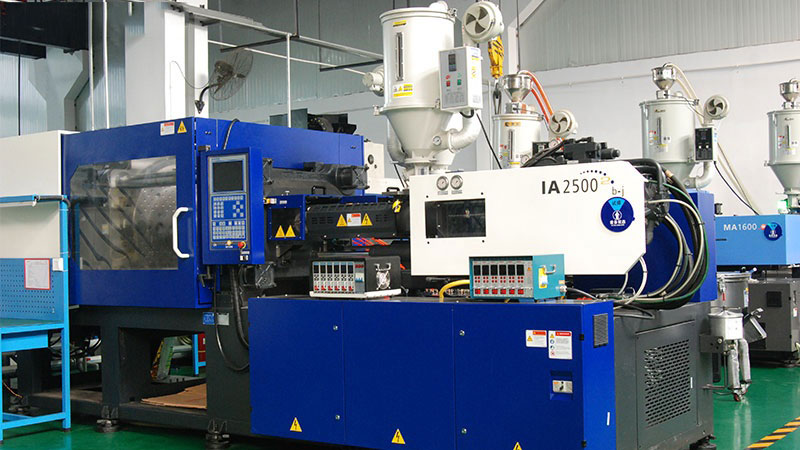
For overseas buyers, sourcing precision tooling from a global manufacturing hub presents a significant opportunity for cost efficiency and advanced capability. However, navigating the landscape of Chinese mold manufacturing can be complex. This professional guide for 2026 is designed to cut through the noise, providing actionable, real-world strategies to streamline your procurement process, mitigate risks, and secure a successful partnership with a reliable China mold factory. We move beyond generic advice to solve the specific, pressing problems faced by international procurement teams.
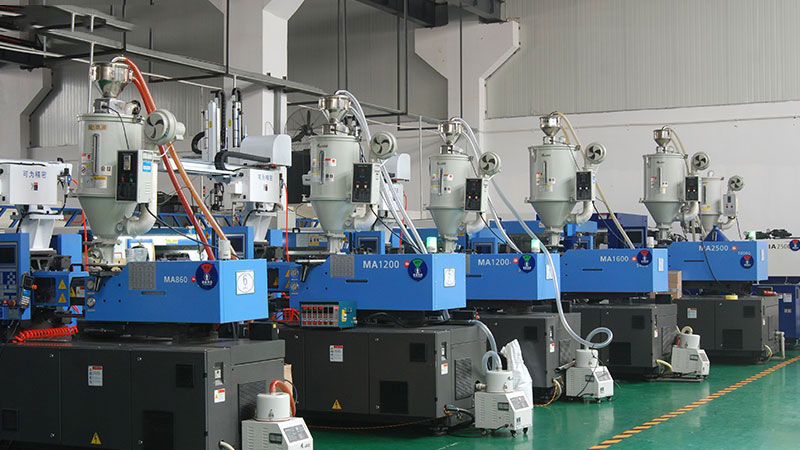
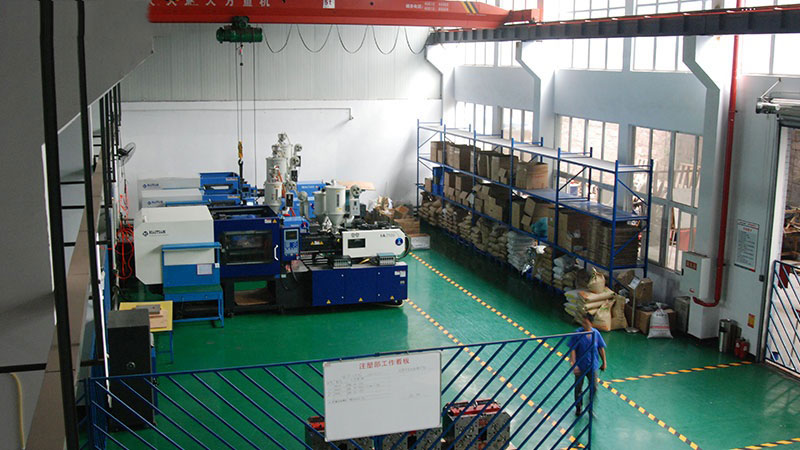
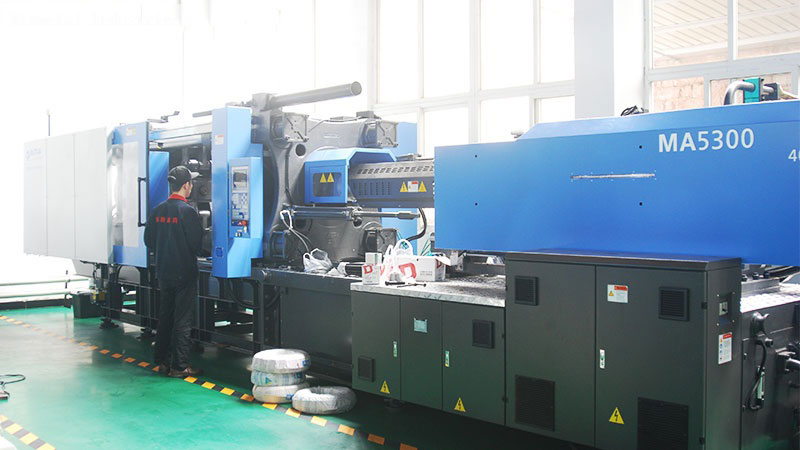
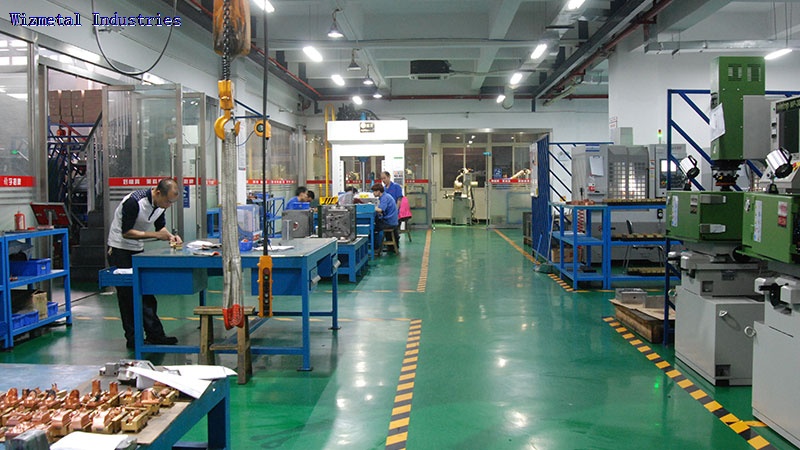
The cornerstone of a successful import project is thorough supplier verification. In 2026, due diligence extends far beyond a cursory website review. Begin with a multi-faceted verification process: confirm business licenses via official Chinese platforms like the National Enterprise Credit Information Publicity System. Scrutinize the factory’s specialization—does their expertise align with your specific needs, be it large automotive injection molds, high-cavitation precision molds, or silicone molds? Demand a detailed portfolio with case studies, and insist on a live video tour of the facility. This virtual walkthrough allows you to assess their machinery (look for recent CNC, EDM, and CMM equipment), workshop organization, and in-house capabilities, which is a strong indicator of a professional mold factory. Crucially, request and contact past international clients for unbiased references on communication, problem-solving, and adherence to timelines.
Once a potential partner is shortlisted, mastering the technical and commercial quotation phase is critical. A professional China mold factory will provide a comprehensive breakdown, not just a bottom-line price. Analyze the quote for steel grade specification (pre-hardened, stainless, etc.), mold life expectancy (number of shots), cavity and core material, and standard components used. Clearly define all costs: mold cost, sample cost, and future per-unit part price. For injection mold projects, the quote should include a preliminary mold flow analysis proposal to anticipate manufacturing defects. Be explicit about intellectual property (IP) protection; a reputable supplier will sign a Non-Disclosure Agreement (NDA) and often a proprietary tooling agreement that legally assigns all design and tooling rights to you, the buyer. Never proceed without these safeguards in place.
Effective quality control is non-negotiable and must be structured from the start. Integrate QC checkpoints directly into the purchase agreement. These typically include a First Article Inspection (FAI) report after the initial sample shots, a Dimensional Report using 3D coordinates measuring machines, and a final pre-shipment audit. For critical projects, consider engaging a local third-party inspection service for an impartial assessment during the Trial Run (T1) stage. They can verify material certificates, hardness testing, and part conformity to your 2D drawings and 3D CAD data. Discuss the factory’s internal QC protocols—do they have a dedicated quality department and advanced metrology tools? Establishing clear, measurable acceptance criteria for part appearance, dimensions, and function before production begins prevents costly disputes and ensures the final output meets your specifications.
The final stages—logistics, payment, and long-term partnership—solidify the project’s success. Opt for secure, traceable shipping methods (often EXW or FOB terms) and ensure the mold factory provides full shipping documentation, including a detailed packing list and commercial invoice. For payment, a staggered structure is standard and protects both parties: a common split is 30-50% deposit, 40-50% after sample approval, and the balance before shipment. Utilize secure payment channels like Letters of Credit (L/C) or telegraphic transfers (TT) through verified bank accounts. Upon successful completion, view this as the foundation of a strategic partnership. A reliable supplier becomes an extension of your engineering team, capable of handling maintenance, modifications, and future projects with increased efficiency. Building this relationship is the ultimate return on a meticulous procurement process.
Importing molds from China in 2026 demands a professional, detail-oriented approach. By implementing rigorous supplier verification, demanding technical transparency in quotations, enforcing structured quality control protocols, and securing agreements and logistics, overseas buyers can transform perceived risks into a formidable competitive advantage. The goal is to move from being a one-time purchaser to a valued partner of a proficient China mold factory. This strategic partnership ensures not only the acquisition of a high-quality injection mold but also secures a reliable source for innovation and manufacturing excellence for years to come.
Work With Us
As a professional China mold manufacturer, we provide one-stop mold solution for overseas buyers.
📞 Phone: +86-18605944639
💬 WhatsApp: +8618605944639
🌐 Website: bestmoldworks.com
📧 Email: [email protected]