Blog

  • silicone mould manufacturers in china: Best Suppliers 2026

    For overseas businesses, from artisan chocolatiers to large-scale industrial parts producers, sourcing high-quality, cost-effective molds is a critical component of success. China has long been the global epicenter for mold manufacturing, offering an unparalleled combination of technical expertise, advanced materials, and competitive pricing. However, navigating this vast market to find a truly reliable partner can be daunting. This guide is designed to cut through the noise, providing you with a professional, actionable framework for identifying and partnering with the best silicone mould manufacturers in China as we look toward 2026. We will move beyond simple directories and focus on solving the real procurement challenges you face: verifying supplier credibility, ensuring stringent quality control, and securing a mold that perfectly matches your design intent, whether for intricate food-grade applications or durable industrial components.

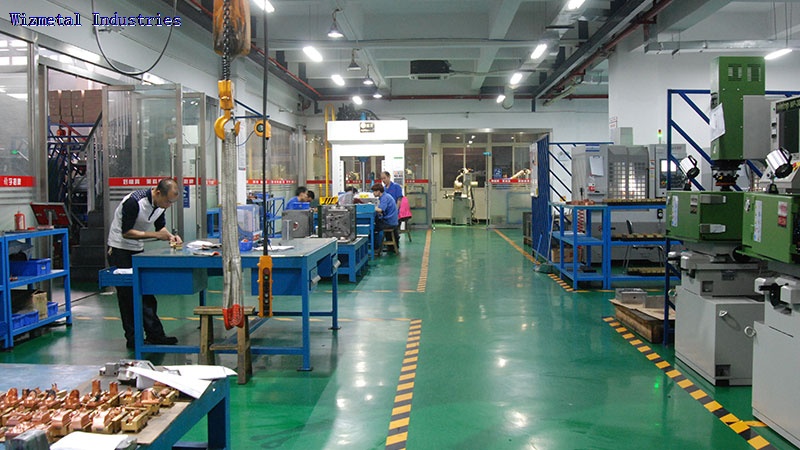
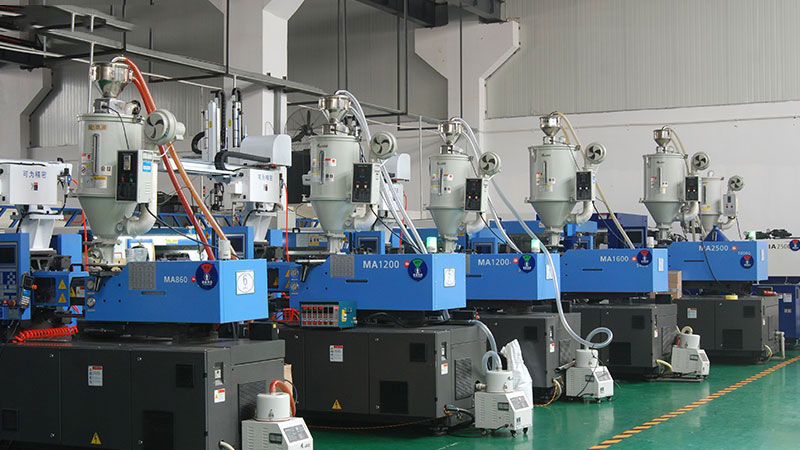
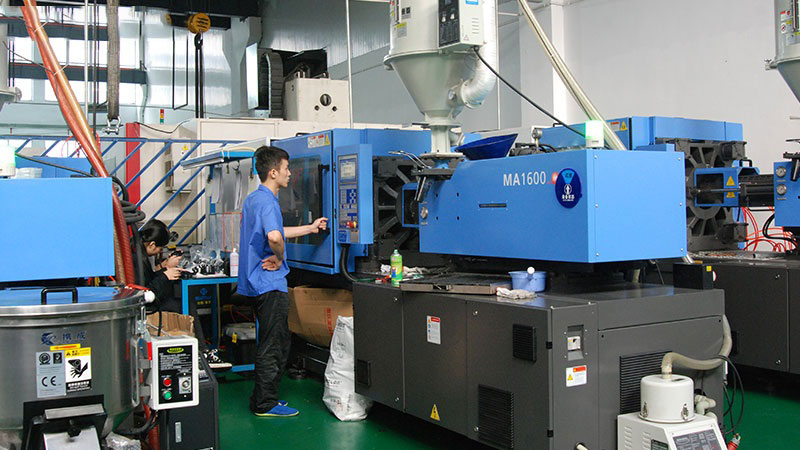
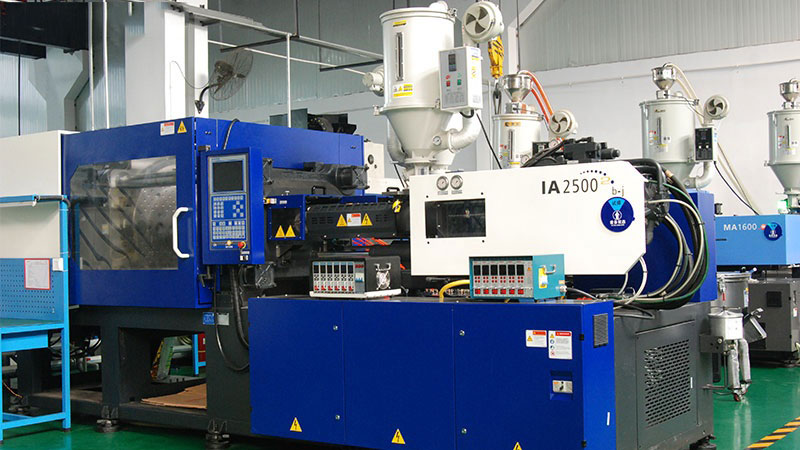
    The cornerstone of successful procurement is rigorous supplier verification. In 2026, due diligence must be more sophisticated than reviewing a glossy website. Start by verifying the China mold factory’s business license via official Chinese platforms and check for relevant certifications, particularly ISO 9001 for quality management systems. For food-grade or medical silicone molds, insist on proof of material certifications like FDA or LFGB compliance. Crucially, move beyond Alibaba messaging. Initiate a video call to request a real-time virtual factory tour. Observe their workshop organization, machinery (look for modern vacuum casting machines or liquid injection molding silicone LIMS equipment), and in-house quality control stations. Request and contact a minimum of three past overseas clients. A reputable supplier will provide these references. This step alone can save you from significant future headaches and financial loss, separating marketing entities from genuine manufacturing experts.

    Once a potential partner is shortlisted, defining and agreeing upon quality control protocols is non-negotiable. Ambiguity here is the primary cause of disputes. Your technical discussions must be exhaustive. Provide detailed 3D drawings with explicit tolerances, specify the exact silicone material grade (Shore hardness, tensile strength, temperature resistance), and agree on a First Article Inspection (FAI) process. A professional China mold factory will often provide a Design for Manufacturability (DFM) report, highlighting potential production issues before tooling begins. For critical projects, insist on a pre-production sample, even if it incurs an additional cost. Furthermore, clarify who will conduct the final inspection—you, a trusted third-party inspection service like SGS or Bureau Veritas, or the factory itself. Having a clear, signed quality control agreement that outlines inspection criteria, sampling plans, and acceptable defect rates is your strongest legal and practical safeguard. This proactive approach to quality control transforms your order from a hopeful transaction into a managed engineering project.

    Understanding the full scope of services offered by your chosen supplier will significantly streamline your project. The leading silicone mould manufacturers in china now often function as comprehensive solution providers. Many have in-house design teams that can optimize your model for manufacturability and durability. Inquire if they offer secondary services like low-volume production casting, which allows you to test the mold with actual material before committing to high-volume orders. For projects requiring structural support or high-pressure applications, ask about their capability with overmolding or creating hybrid molds that integrate silicone with plastic or metal inserts, often produced in their own injection mold department. Clarify all logistical responsibilities: do they handle export documentation, packaging, and shipping, or is it Ex-Works? A supplier that can manage more of the chain reduces your coordination burden and potential points of failure, adding immense value beyond the simple unit cost of the mold.

    Finally, approach the partnership with a long-term strategic mindset. The most successful import relationships are built on clear communication and mutual respect. Be precise and detailed in your requests, but also be open to the manufacturer’s technical suggestions—their experience can lead to cost savings and performance improvements. Use clear, simple English in all communications and confirm important details in writing. Consider starting with a smaller, less complex order to evaluate performance before scaling up. Establish a fair payment schedule (e.g., 30-50% deposit, balance before shipment) that protects both parties. Building a relationship with a verified, high-performing supplier is an asset; it leads to better pricing, priority service, and a deep understanding of your quality standards for future projects, whether for silicone molds, injection molds, or other tooling needs.

    In conclusion, sourcing from silicone mould manufacturers in China in 2026 is less about finding the cheapest option and more about strategically identifying the most capable and reliable partner. The landscape is competitive, and the best suppliers distinguish themselves through transparency, advanced engineering services, and robust quality systems. By implementing a disciplined process of supplier verification, insisting on crystal-clear quality control measures, leveraging full-service capabilities, and fostering professional communication, you can confidently navigate the Chinese market. This methodical approach will not only secure you a superior product for your immediate needs but will also build a foundational partnership that drives your product quality and competitiveness for years to come. The goal is to transform the complexity of overseas procurement into one of your business’s strongest competitive advantages.

    Work With Us

    As a professional China mold manufacturer, we provide one-stop mold solution for overseas buyers.
    📞 Phone: +86-18605944639
    💬 WhatsApp: +8618605944639
    🌐 Website: bestmoldworks.com
    📧 Email: [email protected]
  • pet preform mold manufacturers in china: Complete Procu 2026

    For global beverage brands and packaging companies, securing a reliable, high-performance PET preform mold is a critical strategic decision. As the global hub of precision manufacturing, China dominates this niche, offering a compelling combination of advanced engineering, scalable production, and cost efficiency. However, navigating the vast landscape of suppliers can be daunting. This guide is designed as your actionable, no-fluff roadmap for 2026, cutting through the complexity to help you procure the perfect injection mold from China with confidence and clarity.

    The cornerstone of a successful import project is identifying and verifying the right China mold factory. A simple online search will yield hundreds of options, but precision requires a more surgical approach. Start by scrutinizing technical capabilities rather than just price. A competent supplier for PET preform molds must demonstrate proven expertise in high-cavitation, hot runner mold systems. Examine their portfolio for molds with similar cavity counts (48, 72, 96, or higher) and ask for detailed case studies. Prioritize factories with direct experience in your target preform weight and neck finish specification. Furthermore, in 2026, digital verification is non-negotiable. Use video calls to conduct virtual factory tours, focusing on their CNC, EDM, and precision grinding equipment. Insist on speaking directly with their project and design engineers. This step moves you from a list of potential vendors to a shortlist of technically validated partners, ensuring your fundamental requirements can be met from the outset.

    Once a shortlist is established, a rigorous and detailed Request for Quotation (RFQ) process separates true specialists from general workshops. A vague RFQ will result in inaccurate quotes and future complications. Your RFQ must be a comprehensive technical document. Include not just cavity count and lifecycle expectations, but specify the hot runner system brand preference (e.g., Yudo, Husky, Mold-Masters), the steel grade for different mold components (e.g., H13 for cavities, stainless steel for plates), and required certifications like ISO 9001. Crucially, demand a complete breakdown of costs: mold base, machining, hot runner system, accessories, and a clear payment schedule linked to project milestones (e.g., 30% upon order, 40% after design approval, 30% before shipment). This transparency allows for an apples-to-apples comparison and prevents hidden costs from emerging later. It also signals to the supplier that you are a knowledgeable buyer, setting the stage for a professional partnership.

    The design and prototyping phase is where potential issues are solved on screen, not on the shop floor. Engaging deeply in this phase is your most powerful tool for quality control. Reputable pet preform mold manufacturers in china will provide a full 3D mold design (DFM report) and often a preform simulation analysis. Allocate time to review these meticulously with your technical team or a third-party expert. Focus on gate design, cooling channel layout, and venting details, as these directly impact cycle time and preform quality. Do not approve designs until all questions are resolved. Following design freeze, insist on a sample preform trial using the actual mold steel (often a soft trial) before final hardening and finishing. Testing these samples for weight distribution, wall thickness, and intrinsic viscosity (IV) drop is essential. This proactive involvement mitigates the vast majority of post-delivery problems, ensuring the final mold meets your production specifications precisely.

    Final quality assurance and logistical planning are the last hurdles before successful delivery. Never ship a mold without a final, witnessed Factory Acceptance Test (FAT). This involves running the mold at the supplier’s facility to verify cycle time, preform quality, and full automation compatibility. You or a trusted agent must be present to sign off. Document everything with high-resolution photos and videos of the final product. Simultaneously, clarify incoterms (FOB Shanghai is common) and logistics. PET preform molds are heavy, high-value items; ensure proper crating and insurance are arranged. Discuss post-sales support upfront: what is the warranty period? How are spare parts handled? Is technical support available during your own production commissioning? Having these agreements in writing completes the procurement cycle and establishes the framework for long-term operational support.

    In conclusion, procuring from leading pet preform mold manufacturers in china in 2026 is a process built on diligent verification, precise communication, and active collaboration. The competitive advantage gained from a well-executed mold procurement is substantial, but it requires moving beyond price-centric thinking to a partnership-centric model. By methodically verifying your supplier, mastering the RFQ and design phases, and enforcing strict quality control protocols, you transform the complexity of international procurement into a reliable, value-driven supply chain asset. The result is not just a mold, but a foundation for efficient, high-quality production that supports your brand’s growth for years to come.

    Work With Us

    As a professional China mold manufacturer, we provide one-stop mold solution for overseas buyers.
    📞 Phone: +86-18605944639
    💬 WhatsApp: +8618605944639
    🌐 Website: bestmoldworks.com
    📧 Email: [email protected]
  • China plastic mold Manufacturerturer: Best Suppliers & 2026

    For overseas buyers, sourcing a reliable China plastic mold manufacturer represents a significant opportunity to achieve substantial cost savings, access advanced manufacturing capabilities, and accelerate product development cycles. However, the journey from initial inquiry to receiving high-quality, production-ready molds involves navigating a complex landscape. The year 2026 is poised to bring further evolution in China’s manufacturing sector, with a greater emphasis on integrated smart factories, sustainable materials, and data-driven production. This guide provides actionable, professional strategies to help you identify and partner with the best suppliers, ensuring a smooth and successful procurement process.

    The foundation of a successful import project lies in meticulous supplier verification. Moving beyond a simple Alibaba search is crucial. Start by identifying a shortlist of potential China mold factories through industry-specific B2B platforms like Global Sources or Made-in-China, which often feature more vetted suppliers. Crucially, examine their technical prowess. A competent injection mold manufacturer should openly showcase engineering case studies, detail their machinery (such as German or Japanese CNC, EDM, and CMMs), and specify industries they serve. Verify business licenses and export credentials. The most critical step, however, is a virtual or in-person factory audit. Request a live video tour to observe workshop conditions, equipment, and quality control stations in real-time. This due diligence filters out trading companies and uncovers true manufacturing partners.

    Once a potential partner is identified, the focus shifts to technical communication and prototyping. Ambiguity in design specifications is the primary cause of cost overruns and delays. Provide potential suppliers with a comprehensive technical data package: fully detailed 3D CAD files (STEP or IGES), 2D drawings with GD&T tolerances, material specifications (e.g., POM, ABS, PP), and expected part volumes. Discuss mold life expectancy (e.g., 500,000 shots) upfront. A best practice is to initiate the relationship with a prototype mold or a 3D printed sample of the cavity. This low-cost step validates the manufacturer’s understanding of your design before committing to full hard tooling. A professional China plastic mold manufacturer will proactively engage in a Design for Manufacturability (DFM) review, suggesting improvements to part geometry for easier molding, better strength, and lower cost.

    A rigorous, transparent quality control protocol is non-negotiable. Agree on a staged inspection plan before order confirmation. This typically includes a First Article Inspection (FAI) using the initial shots from the finished mold, where critical dimensions are meticulously checked against your drawings. The mold itself should undergo a Tooling Trial Report, documenting parameters like injection pressure, cycle time, and any imperfections in the test parts. For higher-volume orders, consider hiring a third-party quality inspection firm in China for Pre-Shipment Inspections (PSI). They will sample production-run parts and provide an unbiased report. Ensure your supplier uses precision measuring equipment and that all quality documentation—material certificates, inspection reports, and mold maintenance guides—is part of the delivery. This systematic approach protects your investment.

    Finally, mastering logistics, intellectual property (IP) protection, and long-term partnership dynamics is key. Use clear Incoterms (e.g., FOB Shanghai) to define responsibilities and costs for shipping and insurance. For IP, a well-drafted Non-Disclosure Agreement (NDA) and a product-specific confidentiality contract are essential before sharing designs. While unit price is important, evaluate the total cost of ownership, which includes mold maintenance, lead time for spare components, and the supplier’s responsiveness. The leading suppliers for 2026 will be those offering digital project management portals for real-time progress tracking. View your chosen manufacturer as a strategic partner. Consistent communication, timely payments, and clear feedback foster a relationship that can yield continuous improvement and reliable supply for years to come.

    In conclusion, successfully importing plastic molds from China is a structured process of verification, communication, and control. By thoroughly vetting your China plastic mold manufacturer, enforcing precise technical standards, implementing staged quality checks, and formalizing partnership terms, you mitigate risks and unlock exceptional value. As we look toward 2026, the competitive edge will belong to buyers who partner with forward-thinking suppliers embracing automation and transparency. With this professional approach, you can confidently navigate the procurement landscape and secure a manufacturing alliance that drives your product’s success in the global market.

    Work With Us

    As a professional China mold manufacturer, we provide one-stop mold solution for overseas buyers.
    📞 Phone: +86-18605944639
    💬 WhatsApp: +8618605944639
    🌐 Website: bestmoldworks.com
    📧 Email: [email protected]
  • china plastic mold manufacturer: Ultimate Guide for Buy 2026

    For businesses worldwide, sourcing plastic injection molds from China remains a strategic move to balance high quality with significant cost efficiency. However, navigating this complex landscape requires updated knowledge and a meticulous approach. As we look toward 2026, the dynamics of global manufacturing and procurement continue to evolve. This ultimate guide is designed for overseas buyers seeking to import molds from China, providing professional, actionable insights to solve real problems and ensure a successful partnership with a reliable China plastic mold manufacturer.

    The foundation of a successful import project lies in thorough supplier verification. The era of selecting a partner based solely on an Alibaba storefront is over. In 2026, due diligence must be multi-layered. Start with a deep dive into the company’s digital footprint: an informative, professional website with detailed case studies is a minimum. Utilize third-party verification platforms to check business licenses and export credentials. Crucially, move beyond documentation to assess technical capability. Request and thoroughly review design portfolios that match your industry’s complexity. Insist on a video conference to tour their China mold factory floor virtually; observe the machinery brand, workshop organization, and engineering team. This step filters out trading companies and uncovers true manufacturing partners, setting the stage for all subsequent quality and communication.

    Once a potential partner is identified, mastering the technical and commercial quotation process is vital. A professional China plastic mold manufacturer will not provide a price after a simple sketch. Expect and encourage a detailed RFQ process. Submit comprehensive 3D drawings, material specifications, expected annual volumes, and cosmetic requirements. The returned quotation should be a transparent document breaking down costs: mold base steel, cavity and core steel, number of cavities, hot runner system, surface treatment, and a clear timeline. This clarity prevents hidden costs later. Furthermore, use this stage to evaluate their engineering input. Do they suggest design for manufacturability changes that could reduce cost or improve part quality? This proactive problem-solving is a key indicator of a valuable partner, moving the relationship from simple procurement to collaborative engineering.

    The most critical phase, where many projects falter, is implementing rigorous pre-shipment quality control. Never assume the final product will match the approved samples. Establish a formalized QC protocol before order confirmation. This should include staged inspection points: a first article inspection after mold trial, using Coordinate Measuring Machine reports and functional tests on sample parts. The most important is the pre-shipment inspection when the mold is 100% complete. For high-value orders, hiring a reputable third-party inspection service in China is a non-negotiable investment. They will verify steel hardness, cavity dimensions, cooling line pressure, and overall workmanship against the agreed technical specifications. This step mitigates the immense risk of receiving a non-conforming mold, which leads to costly delays and rework at your facility. Proactive quality control is your primary financial safeguard.

    Navigating logistics, intellectual property protection, and post-sales support are the final hurdles to clear. For logistics, decide between Ex-Works, FOB, or CIF terms with a clear understanding of responsibilities. Ensure the China mold factory properly prepares the mold for shipping with adequate rust prevention and robust crating. Regarding IP, a formal Non-Disclosure Agreement is essential, but complement it with practical steps: only share fully detailed drawings with your selected partner, and consider cavity numbering or other subtle identifiers. Finally, clarify post-sales support terms. What is the warranty period for workmanship and materials? How are repair or modification costs handled after the warranty? A reliable supplier will offer clear terms, recognizing that a successful first mold often leads to repeat business.

    Building a sustainable partnership is the ultimate goal beyond a single transaction. Consistent communication, managed expectations, and mutual respect transform a supplier into a strategic asset. Consider starting with a smaller, less critical project to evaluate performance before commissioning larger, more complex injection molds. Schedule regular progress updates and maintain clear communication channels. Visiting the factory in person, if feasible, solidifies the relationship and provides invaluable insight. By treating your Chinese manufacturer as a true extension of your production team, you unlock long-term benefits in innovation, cost management, and supply chain resilience.

    Importing injection molds from China in 2026 demands a blend of traditional diligence and modern verification techniques. The journey from supplier verification and detailed procurement to stringent quality control and clear logistics planning is systematic. By following this professional guide, overseas buyers can confidently navigate the market, minimize risks, and build a profitable relationship with a competent China plastic mold manufacturer. The goal is not merely to buy a tool, but to secure a foundation for manufacturing excellence and competitive advantage for years to come.

    Work With Us

    As a professional China mold manufacturer, we provide one-stop mold solution for overseas buyers.
    📞 Phone: +86-18605944639
    💬 WhatsApp: +8618605944639
    🌐 Website: bestmoldworks.com
    📧 Email: [email protected]
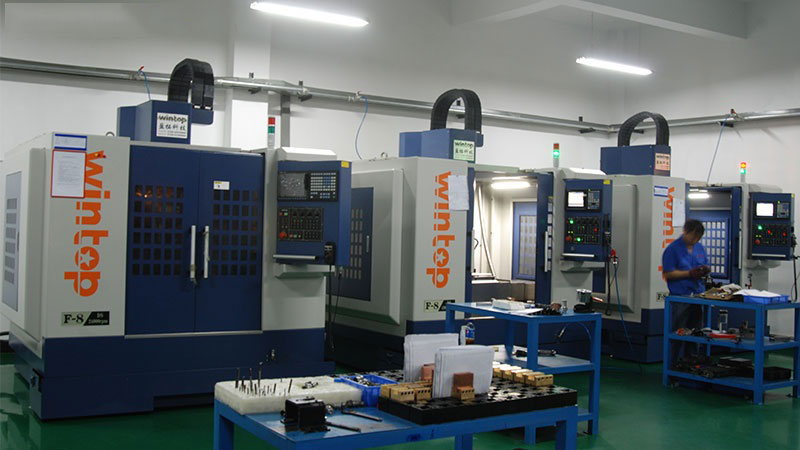
  • how to make custom molding: Reliable Manufacturers Gu 2026

    For overseas buyers and product developers, understanding how to make custom molding is a critical step in bringing innovative designs to market efficiently and cost-effectively. China remains the global epicenter for mold manufacturing, offering unparalleled expertise, scalability, and value. However, the journey from a CAD file to a perfect batch of molded parts is fraught with potential pitfalls if not managed correctly. This guide for 2026 cuts through the noise to provide a professional, actionable roadmap for partnering with reliable Chinese manufacturers, ensuring your procurement process is smooth, transparent, and successful.

    The foundation of a successful custom molding project lies not in the first quote you receive, but in the initial preparation and specification. Before you even contact a potential China mold factory, invest time in perfecting your design for manufacturability (DFM). Engage with internal or external engineers to simplify geometries, optimize wall thicknesses, incorporate appropriate draft angles, and specify suitable materials. A fully detailed technical package, including 3D files (STEP or IGES), 2D drawings with critical tolerances, material specifications, and expected annual volumes, is non-negotiable. This clarity prevents misunderstandings, allows for accurate quoting, and signals to suppliers that you are a serious and professional buyer. It transforms the conversation from a vague inquiry to a concrete project discussion.

    With a solid technical package, the next phase is rigorous supplier verification. The landscape of Chinese mold makers is vast, ranging from small workshops to fully integrated, automated facilities. In 2024, simply browsing Alibaba is insufficient. Start by seeking manufacturers with verifiable experience in your industry—whether it’s automotive, medical, consumer electronics, or packaging. Scrutinize their website for case studies, but go further: request video tours of their facility, ask for specific examples of similar injection mold projects, and insist on contacting past overseas clients. Key verification points include their capability (CNC, EDM, precision grinding), in-house tooling try-out and sampling ability, and their quality management system certifications. A reliable partner will be transparent and proactive in providing this evidence.

    The procurement process for an injection mold is where costs and timelines are concretely defined. Be wary of the lowest bid; it often reflects compromises in steel quality, machining precision, or service. Instead, analyze quotes comprehensively. Ensure they break down costs for mold base, cavity/core steel (state the brand, e.g., ASSAB 718H), number of cavities, surface finish (SPI standards), and included services like DFM feedback and initial sampling. Clearly define the project timeline with milestones: design approval, mold fabrication completion, first article inspection (FAI), and pre-production sample delivery. Payment terms should be staged against these milestones (e.g., 30% deposit, 40% after T1 sample approval, 30% before mass production mold shipment). A professional contract covering IP protection, warranty period (typically 1-2 years for workmanship), and liability is essential.

    Active quality control is the thread that ties the entire process together, from the first steel block to the final production run. Do not adopt a “set and forget” mentality. For critical projects, consider hiring a third-party inspection company in China for key stages: mold material verification, pre-shipment inspection of the finished mold, and most importantly, First Article Inspection (FAI) of the initial samples using Coordinate Measuring Machines (CMM) and functional tests. During sampling, work closely with the factory to optimize injection molding parameters—pressure, temperature, cooling time—to eliminate defects like sink marks, warpage, or short shots. Document all agreed parameters as the standard process sheet for future production. This hands-on approach in the development phase prevents costly corrections during mass production.

    Ultimately, mastering how to make custom molding with Chinese partners is about building a strategic relationship, not just executing a transaction. View your chosen China mold factory as a long-term technical partner. Communicate regularly via video calls, provide clear feedback, and visit the facility if possible. A reliable manufacturer will offer ongoing support, honor their mold warranty, and be a valuable resource for future projects or design iterations. As we look toward 2026, the most successful importers will be those who combine thorough preparation, diligent verification, and collaborative quality management.

    In conclusion, the path to securing reliable custom molding from China is systematic and demands engagement. By meticulously preparing your design, rigorously verifying suppliers, managing the procurement with clear contracts, and enforcing stringent quality control from the start, you mitigate risk and set the stage for a profitable, long-term manufacturing partnership. This professional approach to understanding how to make custom molding ensures that your investment translates into a high-quality, durable tool capable of producing perfect parts for years to come.

    Work With Us

    As a professional China mold manufacturer, we provide one-stop mold solution for overseas buyers.
    📞 Phone: +86-18605944639
    💬 WhatsApp: +8618605944639
    🌐 Website: bestmoldworks.com
    📧 Email: [email protected]
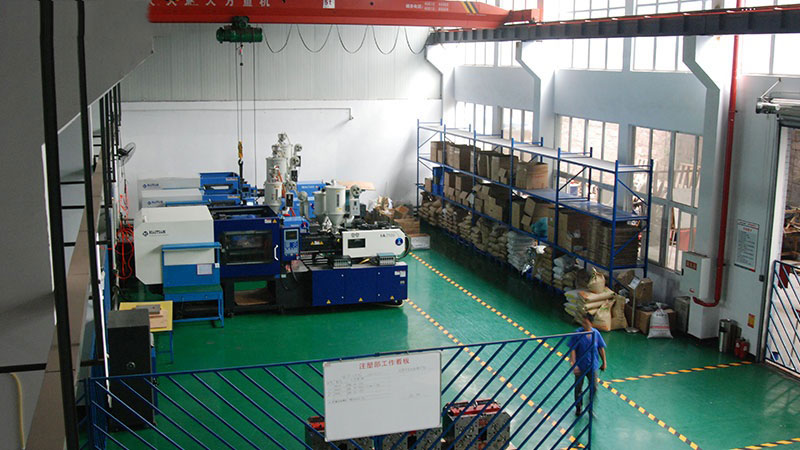
  • custom plastic injection mold Manufacturerturer: Ulti 2026

    Navigating the landscape of custom plastic injection mold manufacturing in China presents a significant opportunity for overseas buyers to achieve substantial cost savings and access world-class manufacturing capabilities. However, the journey from concept to a container of perfect plastic parts is fraught with potential pitfalls. Miscommunication, supplier reliability issues, and quality discrepancies can quickly erode the initial cost advantage. This guide is designed not to sell you on a specific factory, but to equip you with a professional, actionable framework for 2026. We will solve the real problems you face in identifying, vetting, and collaborating with a top-tier China mold factory to ensure your injection mold procurement is a strategic success, not a costly lesson.

    Mastering Supplier Verification Beyond Alibaba

    The first and most critical step is moving beyond basic directory listings. A genuine and capable custom plastic injection mold manufacturer will have a traceable and verifiable footprint. Start with a deep dive into their digital presence. A professional website with detailed technical information, case studies, and clear organizational structure is a minimum. Utilize platforms like LinkedIn to check key employee profiles and company updates. Crucially, verify their business license via third-party services and cross-reference their factory address using satellite imagery (e.g., Google Earth) to confirm the scale and type of facility they claim to operate. Demand a virtual live tour via video call; a reputable supplier will readily showcase their workshop, machinery (look for brand names like Haitian, Engel, or Sodick), and quality control stations in real-time. This step filters out trading companies masquerading as manufacturers and establishes a baseline of transparency.

    The Technical Dialogue: Specifying Your Injection Mold with Precision

    Clear, unambiguous technical communication is your primary defense against costly errors. Your Request for Quotation (RFQ) must be a comprehensive document. Beyond part drawings, include material specifications (grade and supplier), expected annual volumes, cosmetic requirements (SPI finish standards), and critical-to-function dimensions. Discuss the mold design openly: steel type (pre-hardened like P20 or hardened like S136), mold flow analysis expectations, cooling line layout, and ejection systems. A competent partner will engage in this dialogue, asking insightful questions and perhaps suggesting design for manufacturability (DFM) improvements to optimize part cost and durability. This collaborative technical stage is where you assess their engineering prowess. Remember, the cheapest quote often reflects a lack of understanding or planned corner-cutting on these essential details.

    Implementing Proactive Quality Control Gates

    Quality cannot be inspected into a finished mold; it must be built in through a managed process. Agree on a staged quality control protocol with your China mold factory before order placement. Key inspection gates should include: 1) Design Review of 3D mold models, 2) First Article Inspection (FAI) of mold base and core/cavity blocks, 3) T1 Sample Approval from the actual production mold. For critical components, insist on witnessing reports or high-resolution photos/videos of the steel hardness test (with a stamped report) and the mold trial. Partner with a reliable third-party inspection company in the mold’s region for an objective pre-shipment audit. This structured approach shifts your role from reactive problem-solver to proactive manager, ensuring issues are caught and resolved when they are least expensive to fix.

    Navigating Logistics and Protecting Intellectual Property

    A flawless mold stuck in customs is of no value. Work with your supplier to ensure all commercial invoices, packing lists, and certificates of origin are accurate and professionally prepared. Understand Incoterms 2020 clearly—ex-works (EXW) places maximum logistical burden on you, while FOB or CIF may simplify the process but affect cost and control. For high-value molds, consider mold insurance for the transit. Regarding Intellectual Property (IP), a legitimate manufacturer will respect a well-drafted Non-Disclosure Agreement (NDA). While absolute guarantees are complex in any jurisdiction, your due diligence in supplier verification is your first defense. Further, discuss and document ownership of the mold design files. A professional partner understands these concerns and will work within a contractual framework to build trust.

    Building a Partnership for Long-Term Production

    Your relationship with the mold maker should not end at shipment. The true test of a reliable custom plastic injection mold manufacturer is their support during production ramp-up and throughout the mold’s lifecycle. Discuss terms for mold warranty (typically 1-2 years against workmanship and material defects), the cost and lead time for spare components (like replacement cores or ejector pins), and their process for handling engineering changes. A supplier invested in a long-term partnership will be responsive, maintain mold archives, and support you efficiently. This ongoing reliability is often more valuable than a marginal initial cost saving from a less cooperative vendor.

    Conclusion

    Importing injection molds from China in 2026 demands a blend of rigorous process and strategic partnership. The landscape is mature, and the best suppliers operate at a level equal to or surpassing many Western counterparts. Your success hinges on moving beyond price-centric sourcing to a value-driven procurement model. By executing thorough supplier verification, engaging in precise technical dialogue, enforcing staged quality control, managing logistics and IP proactively, and fostering a long-term collaborative relationship, you transform the inherent challenges into a competitive advantage. The ultimate goal is to secure not just a tool, but a reliable production asset and a trusted manufacturing partner that contributes to your product’s success for years to come.

    Work With Us

    As a professional China mold manufacturer, we provide one-stop mold solution for overseas buyers.
    📞 Phone: +86-18605944639
    💬 WhatsApp: +8618605944639
    🌐 Website: bestmoldworks.com
    📧 Email: [email protected]

  • custom made plastic products: Ultimate Guide for Buyers 2026

    For overseas businesses, the journey to procure custom made plastic products often begins with a single, critical component: the mold. Sourcing high-quality, cost-effective injection molds from China remains a powerful strategy to achieve competitive advantage. However, the path is fraught with potential pitfalls, from communication gaps and supplier reliability to stringent quality demands. This guide for 2026 cuts through the complexity, offering a professional, actionable framework to navigate the Chinese manufacturing landscape successfully. Our focus is not on theory, but on providing real-world solutions that protect your investment and ensure your project’s success from the drawing board to final production.

    The cornerstone of any successful project is selecting the right China mold factory. The era of simply browsing Alibaba and selecting the lowest bidder is over. In 2026, strategic procurement demands a verification-first approach. Begin with a deep-dive into supplier credentials. Legitimate factories should readily provide business licenses, export records, and details about their primary clientele. Utilize third-party verification services or platforms with vetted supplier lists. Crucially, assess their engineering capability. Do they have in-house design support to optimize your part for manufacturability? Request detailed case studies of molds they have built for overseas clients, specifically for products similar in size, complexity, and material to yours. A factory that asks insightful questions about your application, expected volumes, and tolerance requirements at the quotation stage is often more reliable than one that simply agrees to a provided drawing without comment.

    Once a shortlist is established, mastering the technical and commercial negotiation is vital. The quotation for your injection mold should be transparent, breaking down costs for mold design, steel grade (e.g., P20, H13, S136), cavity count, cooling system complexity, and surface finish. Understand the payment terms; a standard 30-50% deposit with the balance before shipment is common, but never pay 100% upfront. Clearly define the prototyping phase. Will the supplier produce initial sample parts using the finished mold, and how many iterations are included in the price? This stage is your first real test of quality. Simultaneously, protect your intellectual property. A robust Non-Disclosure Agreement (NDA) is non-negotiable. Furthermore, insist on full ownership of all mold design and CAD files upon final payment. This ensures you are not locked into a single supplier for future production or mold modifications.

    Proactive quality control is not an option; it is an integral part of the procurement process. Do not wait for the final shipment to inspect your mold. Implement staged inspection checkpoints. The first pre-production inspection should occur after mold machining but before heat treatment, allowing verification of core and cavity dimensions. The second critical checkpoint is the Trial Sample Report (TSR). When the factory conducts the first mold trial, they must provide a detailed report including photos, videos of the trial run, and measurements of the sample parts against your dimensional drawings. For high-value projects, engaging a local third-party quality inspection firm to witness the final sample trial and audit the factory’s process is a highly recommended investment. This hands-on approach to quality control mitigates the risk of receiving a mold that does not meet specifications, a scenario far more costly to rectify after international shipment.

    Finally, plan for the entire lifecycle of your custom made plastic products. A successful partnership with your China mold factory extends beyond the delivery of the mold. Discuss and agree upon post-sales support. What is their policy on mold modification if your part design needs a future tweak? How do they handle repairs or maintenance if the mold is damaged during production? Establish clear communication channels for technical support. Furthermore, consider the logistics of mold storage. Many suppliers offer mold storage services for an annual fee, which can be convenient if you plan ongoing production runs in China. If you intend to ship the mold to your country or another manufacturing hub, ensure the factory has experience in preparing molds for export, including proper preservation, packaging, and complete documentation. This end-to-end perspective transforms a transactional purchase into a strategic, long-term asset for your business.

    In conclusion, sourcing injection molds for your custom made plastic products from China in 2026 is a discipline of diligent preparation, continuous verification, and clear communication. The cost savings remain significant, but they must be pursued with a strategy that prioritizes engineering partnership and rigorous quality assurance over price alone. By methodically verifying your China mold factory, negotiating with technical clarity, enforcing staged quality control, and planning for the mold’s lifecycle, you transform inherent risks into a reliable, competitive supply chain. This approach empowers you to leverage China’s manufacturing excellence to bring innovative, high-quality plastic products to your market with confidence and efficiency.

    Work With Us

    As a professional China mold manufacturer, we provide one-stop mold solution for overseas buyers.
    📞 Phone: +86-18605944639
    💬 WhatsApp: +8618605944639
    🌐 Website: bestmoldworks.com
    📧 Email: [email protected]

  • injection molding manufacturer in china: Expert Tips & 2026

    For businesses worldwide, partnering with an injection molding manufacturer in China represents a significant strategic advantage, offering unparalleled scalability and cost efficiency. However, the path from initial inquiry to receiving flawless, production-ready parts is fraught with potential pitfalls for the uninitiated. Missteps in supplier selection, communication, or quality assurance can quickly erode the anticipated savings. This guide cuts through the noise, providing overseas buyers with actionable, expert-level strategies to navigate the procurement landscape confidently and secure a reliable manufacturing partnership.

    Mastering the Supplier Verification Process

    The foundation of a successful import project is a thoroughly vetted China mold factory. Moving beyond a simple Alibaba search is crucial. Begin with a multi-faceted verification approach. First, scrutinize the manufacturer’s business licenses and export credentials. A legitimate partner should readily provide these. Next, leverage video calls to conduct virtual factory tours; insist on seeing their mold workshop, injection molding machines, and quality control lab in real-time. This step filters out trading companies masquerading as manufacturers. Third, delve into their specific experience. Request detailed case studies or references for projects similar to yours in material, complexity, and volume. A specialist in small, precision medical components may not be the best fit for large automotive parts. Finally, use third-party inspection services for an unbiased audit of their operational and quality management systems before any contract is signed. This due diligence is your primary shield against unreliable partners.

    From RFQ to Technical Alignment: Ensuring Design for Manufacturability

    A precise Request for Quotation (RFQ) is your most powerful tool for obtaining comparable and accurate quotes. Beyond part drawings, your RFQ package must include the material specification (grade and brand), expected annual volumes, critical-to-quality dimensions, surface finish requirements, and post-molding operations. However, the real differentiator is engaging potential suppliers in a Design for Manufacturability (DFM) review early in the process. A competent injection molding manufacturer will provide a formal DFM report, highlighting potential issues like wall thickness inconsistencies, undercuts, or problematic gate locations that could affect mold longevity, part quality, or cycle time. Treat this not as criticism but as invaluable collaborative engineering. Aligning on these technical details before the first block of steel is cut prevents costly mold modifications and production delays later.

    Navigating the Injection Mold Development and Sampling Phase

    The mold is the heart of your project, and its development requires meticulous management. Clearly define mold standards (such as HASCO, DME, or MISUMI) and expected lifespan (number of shots) in your contract. Insist on a stage-gate payment schedule tied to key milestones: deposit upon order, payment after mold design approval, payment after T1 sample approval, and final balance after mass production sample approval. The First Article Inspection (FAI) report from the T1 samples is critical. This report should include a dimensional layout, material certification, and functional test results. Do not approve samples based on appearance alone. Use this phase to also agree on a system for mold maintenance and storage between production runs. A transparent approach to the mold development phase sets the stage for a durable tool and a long-term partnership.

    Implementing Robust Quality Control and Logistics Protocols

    Proactive quality control cannot be an afterthought. Define Acceptable Quality Limits (AQL) for sampling inspections and specify the measurement equipment (e.g., CMM for critical dimensions) to be used. For initial production runs, consider hiring a third-party inspection firm to conduct an During Production Inspection (DPI) or Pre-Shipment Inspection (PSI). This provides an objective check before goods leave the factory. Furthermore, discuss and document packaging requirements explicitly—improper packaging is a common cause of damage in transit. For logistics, understand Incoterms thoroughly. While FOB might be common, consider the control and potential cost benefits of EXW or CIF depending on your logistics capabilities. Ensure the supplier provides a detailed packing list and commercial invoice, and confirm they have experience shipping to your destination port. Establishing these protocols upfront ensures quality is built into the process and your shipment arrives as expected.

    Building a Partnership for Long-Term Success

    Viewing your chosen injection molding manufacturer in China as a strategic partner, rather than just a vendor, yields long-term dividends. Foster clear, consistent communication. Appoint a single point of contact on both sides and use collaborative tools for tracking issues and approvals. Be respectful of cultural differences in business communication while remaining firm on your technical and quality requirements. Schedule regular business reviews to discuss performance, upcoming projects, and potential cost-optimization ideas they may propose. A partner invested in your success will proactively suggest material alternatives or design tweaks to improve your bottom line. This relationship-centric approach transforms a transactional supplier into an extension of your own operations.

    Conclusion

    Importing molds and molded parts from China is a proven strategy for achieving competitive manufacturing costs, but its success hinges on informed, diligent procurement. By rigorously verifying suppliers, engaging deeply in technical reviews, managing the mold development with clear milestones, enforcing stringent quality control, and nurturing a professional partnership, overseas buyers can mitigate the inherent risks. The journey requires an investment of time and attention upfront, but the reward is a seamless, reliable supply chain that delivers consistent quality. With these expert tips as your roadmap, you are equipped to navigate the complexities and build a profitable, long-term manufacturing relationship with a reputable Chinese injection molding manufacturer.

    Work With Us

    As a professional China mold manufacturer, we provide one-stop mold solution for overseas buyers.
    📞 Phone: +86-18605944639
    💬 WhatsApp: +8618605944639
    🌐 Website: bestmoldworks.com
    📧 Email: [email protected]

  • mould manufacturers in china: Best Suppliers & Qualit 2026

    For overseas buyers, sourcing precision tooling from China represents a significant opportunity for cost efficiency and advanced manufacturing capability. However, navigating the vast landscape of suppliers to identify truly reliable partners can be daunting. The challenge isn’t finding a China mold factory; it’s finding the right one that delivers consistent quality, maintains clear communication, and becomes a long-term asset to your supply chain. This guide cuts through the noise, offering actionable strategies for procurement professionals to successfully vet and collaborate with top-tier mould manufacturers in China for 2026 and beyond.

    Mastering Supplier Verification and Initial Vetting

    The foundation of a successful import project is rigorous supplier verification. Moving beyond Alibaba listings is crucial. Begin by scrutinizing the manufacturer’s specialization. A supplier claiming expertise in every type of mold is often a red flag. Instead, seek out factories with proven experience in your specific niche, whether it’s high-cavitation injection molds for consumer electronics, large automotive panels, or precision medical components. Request detailed case studies or sample parts that mirror your project’s complexity. Utilize video conferencing tools to conduct virtual factory tours; a legitimate and capable China mold factory will be transparent and eager to showcase their shop floor, quality control stations, and molding machines. Verify business licenses and export credentials, and consider third-party verification reports to confirm operational scale and legitimacy.

    Implementing Proactive Design for Manufacturability (DFM) Collaboration

    One of the most critical phases occurs before steel is ever cut: the Design for Manufacturability review. The best mould manufacturers in china do not simply quote on your provided 3D model; they actively collaborate to optimize it. Insist on a formal DFM report from your shortlisted suppliers. This document should highlight potential issues like wall thickness inconsistencies, undercuts, gate locations, and ejection challenges. A professional supplier will suggest modifications that reduce mold complexity, improve part quality, and lower overall cost. This step is a key indicator of engineering prowess. A supplier that asks insightful questions and provides data-driven recommendations at this stage is demonstrating a partnership mindset, moving beyond a transactional relationship.

    Structuring Contracts and Milestone Payments for Risk Mitigation

    Clear contractual terms aligned with project milestones are non-negotiable for overseas procurement. Avoid large upfront payments. Instead, structure payments across defined stages: a deposit upon contract signing, a payment after design approval and DFM sign-off, another upon completion of mold trial (accompanied by first article inspection reports), and the final balance after shipment or approval of mass production samples. This payment schedule ties financial disbursements to tangible progress and gives you leverage to ensure quality standards are met at each step. The contract must explicitly detail technical specifications, steel grade standards (e.g., HASCO, DME, or Japanese standards), lead time, confidentiality, and ownership of intellectual property and mold assets.

    Enforcing Rigorous In-Process and Pre-Shipment Quality Control

    Quality cannot be inspected into a mold; it must be built in. However, independent verification is essential. For high-value tooling, engaging a third-party quality control agency in China for in-process inspections is a wise investment. Key checkpoints include: material certification for mold steel, inspection of core and cavity dimensions after CNC machining and EDM, and a thorough tryout session. The mold trial is the most critical QC event. You or your representative should receive a detailed trial report with video, photos of shot samples, and dimensional measurement data. Do not accept vague assurances. Specific metrics on cycle time, cavitation balance, and part dimensions (with Cpk reports for critical features) are mandatory. This pre-shipment validation prevents costly rework after the mold has left the factory.

    Building a Partnership for Long-Term Production and Maintenance

    Your relationship with the supplier should extend beyond the initial delivery. A reliable partner will provide comprehensive documentation, including final 2D drawings, a maintenance manual, and a list of spare components. Discuss terms for mold storage, repair, and modification. The leading China mold factory will understand that the injection mold is the start of an ongoing production relationship. Evaluate their capability and willingness to support mass production, whether they handle it in-house or can recommend trusted molding partners. Their responsiveness to troubleshooting issues during your production runs will ultimately define their value as a long-term supplier.

    Conclusion

    Importing molds from China in 2026 demands a strategic, diligent approach centered on verification, collaboration, and controlled validation. By specializing your search, demanding collaborative DFM, structuring smart contracts, enforcing rigorous quality control at source, and planning for the full product lifecycle, you transform procurement from a risky endeavor into a competitive advantage. The goal is to move from being just an overseas buyer to a valued partner for a capable Chinese manufacturer. This disciplined framework will enable you to identify suppliers who offer not just a price, but predictable quality, engineering excellence, and reliability—the true hallmarks of the best mould manufacturers in China for the years ahead.

    Work With Us

    As a professional China mold manufacturer, we provide one-stop mold solution for overseas buyers.
    📞 Phone: +86-18605944639
    💬 WhatsApp: +8618605944639
    🌐 Website: bestmoldworks.com
    📧 Email: [email protected]

  • China mold maker: Expert Tips & Solutions 2026 | China Mold Factory

    For overseas buyers, sourcing precision tooling from China represents a significant strategic advantage, offering a compelling balance of cost, capability, and scale. However, navigating this complex landscape to find a reliable partner requires more than just a simple supplier search. It demands a structured approach to procurement, verification, and collaboration. This guide provides actionable, forward-looking strategies for 2026, designed to help you secure a proficient China mold maker and transform your import process into a streamlined, value-driven operation.

    The cornerstone of successful procurement is moving beyond price-centric evaluations to assess technical capability and cultural alignment. Begin by scrutinizing the China mold factory’s portfolio for projects similar in complexity, material, and industry to your own. A supplier specializing in high-cavitation, tight-tolerance molds for medical devices may not be the ideal fit for large, single-cavity automotive components. Request detailed case studies and ask specific questions about their engineering approach to challenges like cooling, venting, and ejection. Furthermore, prioritize suppliers with engineers who can communicate effectively in English and demonstrate a proactive problem-solving mindset. This technical and communicative synergy is often more valuable long-term than a marginally lower quotation.

    Supplier verification is a non-negotiable step that must be conducted with rigor. In 2026, digital tools will aid, but not replace, foundational due diligence. Start with a comprehensive background check: verify business licenses, export history, and any quality management certifications (e.g., ISO 9001, IATF 16949). However, the most critical action is a virtual or, ideally, in-person factory audit. Schedule a video call tour to inspect shop floor organization, machinery (look for modern CNC, EDM, and CMM equipment), and in-house capabilities like mold flow analysis. Pay close attention to their quality control station and gauge management. Engaging a trusted third-party inspection company based in China for an initial audit can provide an unbiased assessment of the factory’s true operational standards and capacity.

    A clearly defined and mutually agreed-upon Technical Requirement Document is your primary tool for preventing misunderstandings and ensuring quality. This document should extend beyond part drawings to encompass the entire injection mold specification. Include details such as mold base standards (LKM, HASCO, DME), steel grade and hardness for each component, surface finish requirements, tolerance specifications, cooling line layout, and expected cycle time. Explicitly state your requirements for mold trials (T1, T2) and the deliverables: sample parts, inspection reports, and full mold data. A professional China mold maker will review this document thoroughly and provide feedback, demonstrating their engagement and expertise. This document then becomes the binding reference for all subsequent quality control stages.

    Implementing a phased quality control protocol is essential to catch issues early, when they are least costly to correct. Insist on milestone inspections and digital updates. Key checkpoints include a design review after mold flow analysis, a steel inspection upon material arrival, and a critical first off tool inspection after the core and cavity are machined. Before the T1 trial, request photos and data of the fully assembled mold. For the trial itself, specify that samples must be produced on a machine comparable to your production press. Analyze the T1 samples meticulously and the accompanying trial report. Do not approve mass production or final payment until all issues are resolved and a pre-shipment inspection confirms the mold meets all agreed specifications.

    Successful long-term partnership with a China mold factory hinges on transparent communication and strategic relationship management. Establish clear primary and backup contacts for technical and commercial discussions. Utilize collaborative platforms for sharing drawings and updates. Understand and respect cultural nuances in negotiation and feedback—direct criticism can be counterproductive; frame feedback as collaborative problem-solving. Consider starting with a smaller, less complex project to build trust and assess performance before committing to larger, mission-critical tooling. A reliable partner is an asset, so invest in the relationship through regular communication, fair negotiation, and timely payments, which will yield priority service and commitment in return.

    Importing molds from China in 2026 is a sophisticated process that, when executed with diligence, offers unparalleled value. The journey from identifying a potential China mold maker to receiving a high-performance tool is paved with detailed technical communication, rigorous verification, and proactive quality management. By adopting these expert tips—focusing on capability over cost alone, conducting thorough audits, specifying requirements exhaustively, enforcing staged inspections, and nurturing the supplier relationship—you significantly de-risk your procurement. This structured approach transforms your chosen China mold factory from a mere vendor into a true extension of your engineering team, ensuring you receive not just a mold, but a reliable manufacturing solution that drives your product’s success in the global marketplace.

    Work With Us

    As a professional China mold manufacturer, we provide one-stop mold solution for overseas buyers.
    📞 Phone: +86-18605944639
    💬 WhatsApp: +8618605944639
    🌐 Website: bestmoldworks.com
    📧 Email: [email protected]