Blog

  • custom injection molding machine: Ultimate Guide for 2026

    For overseas businesses, sourcing a custom injection molding machine from China represents a significant strategic decision. It is a move that balances substantial cost advantages with complex logistical and quality assurance challenges. As we look toward 2026, the landscape is evolving with smarter technology, greater transparency, and heightened competition among Chinese manufacturers. This guide is designed to cut through the noise and provide you with a professional, actionable roadmap. We will not merely describe the process; we will solve the real problems you face in procurement, from initial supplier verification to final quality control, ensuring your investment in a China mold factory yields reliable, high-performance tooling and parts.

    Mastering Supplier Verification and Selection

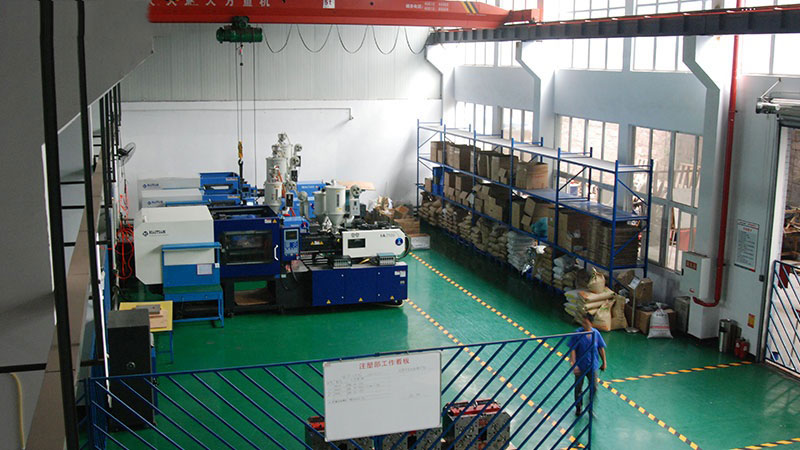
    The foundation of a successful import project is a thoroughly vetted supplier. The term “China mold factory” encompasses a vast spectrum, from rudimentary workshops to fully automated, ISO-certified facilities. Your first practical step is to move beyond Alibaba listings. Utilize professional industry platforms like Global Sources or Made-in-China, which often feature more established manufacturers. Crucially, insist on a video audit. A live walkthrough of the facility in 2026 should showcase not just machinery, but organization, cleanliness, and workflow. Pay close attention to their engineering team’s capability. Can they discuss DFM (Design for Manufacturability) feedback intelligently? Do they have experience with your specific material (e.g., engineering plastics, LSR) and product sector? Verify certifications, but understand their practical meaning. An IATF 16949 certification is paramount for automotive work, while ISO 13485 is critical for medical devices. Always request and contact references from past overseas clients, specifically in your region, to inquire about communication, problem-solving, and after-sales support.

    Navigating the Technical Procurement Process

    Once a potential partner is shortlisted, a structured technical procurement process is your shield against costly errors. Begin with a comprehensive RFQ (Request for Quotation) package. This must include not just 3D drawings (STEP or IGS format) but also a detailed specification sheet covering material type, expected annual volumes, cosmetic requirements (e.g., SPI finish standards), tolerance levels, and critical-to-function dimensions. A professional China mold factory will respond with a DFM report. Scrutinize this document; it is the first real test of their expertise. They should suggest gate locations, potential sink marks, ejection schemes, and part shrinkage adjustments. The mold flow analysis, often offered by advanced suppliers, is no longer a luxury but a necessity for complex parts to predict filling issues and weld lines. Clearly define all milestones and payments: deposit upon order, payment after T1 sample approval, and final balance before shipment. Never agree to pay the full amount upfront.

    Implementing Rigorous Quality Control Protocols

    Quality control cannot be an afterthought; it must be engineered into the process from day one. For your custom injection molding machine project, define QC checkpoints contractually. The first critical stage is the First Article Inspection (FAI) on the steel mold itself. Before any plastic is shot, a soft gauging or CMM report on the finished mold cavity should confirm dimensions. The second, and most vital, stage is the T1 sample evaluation. You must receive actual injection molded parts from the production material (or a close proxy). Employ a trusted third-party inspection service in China, such as SGS or Bureau Veritas, to perform an on-site sample inspection. Their report should include dimensional checks with CMM, material certification verification, and functional tests. For ongoing production, specify a Statistical Process Control (SPC) plan for critical dimensions. In 2026, leading factories will provide real-time process monitoring data; request access to this dashboard to see key parameters like injection pressure and cycle time, ensuring consistency.

    Managing Logistics, Communication, and Intellectual Property

    The practical challenges extend beyond the factory floor. Clear communication protocols are essential. Designate a single point of contact on both sides who is technically fluent. Use collaborative tools like shared cloud folders for drawings and revision histories. Regarding Intellectual Property (IP), a well-drafted NNN Agreement (Non-Use, Non-Disclosure, Non-Circumvention) under Chinese law is more effective than a standard NDA. Have it signed before sharing any technical details. For logistics, understand Incoterms 2020 thoroughly. FOB Shenzhen is common, but for high-value molds, consider CIP (Carriage and Insurance Paid To) your nearest port for greater control over insurance. Factor in lead times not just for mold making, but for sample approval, revisions, and sea freight. Always budget for a contingency fund—typically 10-15%—for unforeseen adjustments or expedited shipping if delays occur.

    Conclusion

    Importing a custom injection molding machine from China in 2026 is a venture defined by strategic preparation and diligent partnership. The cost benefits remain compelling, but they must be pursued with a professional, process-oriented approach. By executing rigorous supplier verification, leading the technical procurement with clear specifications, enforcing multi-stage quality control, and proactively managing legal and logistical frameworks, you transform a complex overseas procurement into a competitive advantage. The ultimate goal is to move from being a mere buyer to a valued partner of a capable China mold factory. This relationship, built on transparency and expertise, will ensure that the injection mold you receive is not just a cost-effective tool, but a precision engine for your product’s quality and market success for years to come.

    Work With Us

    As a professional China mold manufacturer, we provide one-stop mold solution for overseas buyers.
    📞 Phone: +86-18605944639
    💬 WhatsApp: +8618605944639
    🌐 Website: bestmoldworks.com
    📧 Email: [email protected]
  • custom silicone mold maker near me: Ultimate Guide for 2026

    For overseas buyers, the search for a “custom silicone mold maker near me” often leads to a critical realization: the most viable path to high-quality, cost-effective production rarely lies within local borders. Instead, it points directly to China, the global epicenter of precision mold manufacturing. However, navigating this vast and complex landscape requires a strategic, informed approach. This ultimate guide for 2026 is designed to transform your procurement journey from a daunting challenge into a streamlined process. We move beyond simple directory listings to provide actionable, professional strategies for identifying, verifying, and partnering with top-tier Chinese mold factories, ensuring your project’s success from concept to delivery.

    **Reframe Your Search: From “Near Me” to Strategic Global Procurement**

    The first step is to shift your mindset. While a local custom silicone mold maker offers proximity, a Chinese mold factory provides an unparalleled combination of advanced technological capabilities, extensive material expertise, and economies of scale. Your goal is not to find the closest supplier, but the most competent one for your specific needs, whether for intricate injection molds for small components or large-scale production tooling. Begin by clearly defining your project specifications: required material (LSR or HCR), part volume, tolerance levels, and expected mold lifespan. This clarity becomes your essential tool for effective communication with potential partners halfway across the world, ensuring you compare quotations on a like-for-like basis and lay the groundwork for rigorous quality control.

    **Mastering Supplier Verification in the Digital Age**

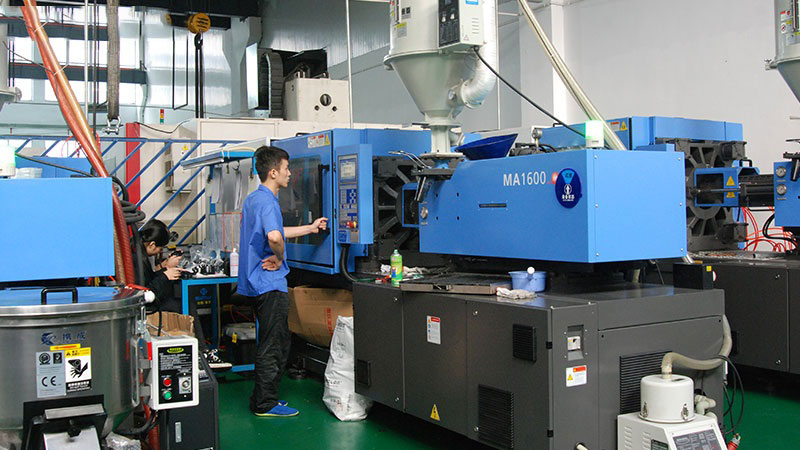
    Finding a manufacturer is easy; verifying a reliable partner is the core of successful importation. In 2026, due diligence must be multi-faceted. Start with deep-dive research on platforms like Alibaba, but go far beyond storefront ratings. Request detailed company profiles, inquire about annual export volume, and ask for a client list you can reference. Crucially, insist on a video tour of the factory floor. A legitimate China mold factory will readily showcase its CNC machining centers, EDM equipment, and cleanroom facilities for silicone molding. Verify business licenses and export credentials. Furthermore, utilize professional third-party inspection services early in your discussions; mentioning this standard practice often separates serious, quality-focused factories from less capable workshops. This phase is your primary defense against procurement pitfalls.

    **The Critical Role of Prototyping and Sample Evaluation**

    Never commit to full production without validating the manufacturer’s output. The prototyping stage is your most powerful risk mitigation tool. A professional custom silicone mold maker will understand this and offer a structured prototyping process, even if it incurs an additional cost. Order a first-article sample or a short-run production from the initial mold. Conduct thorough dimensional inspections, material verification (checking for correct silicone grade and hardness), and functional testing. Evaluate surface finish, flash lines, and the effectiveness of any complex undercuts. This sample is a tangible testament to the factory’s craftsmanship, attention to detail, and ability to follow technical drawings. It also establishes a concrete quality benchmark for all future production runs, forming the basis of your quality control agreement.

    **Implementing Robust Quality Control and Clear Communication Protocols**

    Quality control is not a single inspection; it is an integrated system spanning the entire manufacturing cycle. Define and agree upon critical checkpoints: a first-article inspection report (FAIR) after sample approval, an in-process inspection during mold trials, and a pre-shipment inspection (PSI) for the final products. Specify the use of Coordinate Measuring Machines (CMM) for critical dimensions. Clear communication is the backbone of this process. Appoint a single point of contact on both sides, use marked-up drawings and videos to clarify issues, and establish regular update schedules. Discuss packaging standards explicitly to prevent transit damage for delicate silicone parts or precision injection molds. Formalize all agreements, including tolerance specifications, acceptance criteria, and payment terms, in a detailed purchase contract.

    **Navigating Logistics, IP Protection, and Building Partnership**

    Finalizing the mold is only part of the journey. Understand the Incoterms (like FOB or EXW) you are agreeing to, as they define cost, risk, and responsibility during shipping. Partner with a reliable freight forwarder experienced in handling industrial machinery and molds. For intellectual property protection, a robust NDA is essential, but consider registering your design patents in China for stronger legal standing. Ultimately, view your chosen supplier not as a transactional vendor but as a strategic partner. A trustworthy China mold factory can become an invaluable asset, offering design for manufacturability (DFM) advice, material selection guidance, and proactive support for maintenance or future modifications. This long-term relationship is where the true value of sourcing from China is fully realized.

    In conclusion, the search for a “custom silicone mold maker near me” in 2026 is best executed as a strategic, informed procurement campaign directed at China’s specialized manufacturing sector. By reframing your search, conducting meticulous supplier verification, insisting on comprehensive prototyping, enforcing stringent quality control measures, and fostering a professional partnership, you secure a significant competitive advantage. The path involves diligent preparation and active management, but the reward is access to world-class manufacturing capabilities, optimal cost efficiency, and a supply chain partnership that drives your product’s success in the global marketplace for years to come.

    Work With Us

    As a professional China mold manufacturer, we provide one-stop mold solution for overseas buyers.
    📞 Phone: +86-18605944639
    💬 WhatsApp: +8618605944639
    🌐 Website: bestmoldworks.com
    📧 Email: [email protected]
  • custom made plastic pieces: Complete Procurement Guide 2026

    For overseas buyers and product developers, the journey from a concept to a mass-produced plastic component often hinges on a single, critical decision: selecting the right partner for your tooling. China remains the global epicenter for mold manufacturing, offering unparalleled expertise, scalability, and cost efficiency. However, navigating this complex landscape requires a modern, informed approach. This 2026 procurement guide is designed to cut through the noise, providing you with a professional, actionable framework to successfully import high-quality molds and secure flawless **custom made plastic pieces** for your business.

    The cornerstone of procuring **custom made plastic pieces** is the selection and verification of your China mold factory. The market is stratified, ranging from highly automated tier-one suppliers serving global automotive brands to specialized workshops excelling in niche applications. Your first step is to conduct deep due diligence beyond Alibaba storefronts. Prioritize factories with verifiable international project experience, preferably within your industry. Request detailed case studies that include challenges faced and solutions implemented. In 2026, a legitimate supplier should readily offer virtual facility tours via video call, showcasing their CNC machining centers, EDM equipment, and cleanroom assembly areas. Crucially, verify their in-house capabilities for mold flow analysis; this software simulation is non-negotiable for predicting and preventing defects in the final plastic parts, saving immense cost and time in revisions. Supplier verification now extends to digital footprints—check their technical publications, patents, or contributions to industry forums, which signal investment in engineering prowess.

    Once a potential partner is identified, mastering the technical and commercial procurement dialogue is essential. A precise Request for Quotation (RFQ) package separates professional buyers from casual inquiries. This must include not just 3D CAD models (STEP or IGS files) but also a comprehensive product specification document. Detail the plastic material grade (e.g., ABS, Polypropylene, Nylon with glass fiber), critical dimensions and tolerances (ISO standards), surface finish requirements (SPI/VDI), and expected annual volumes. Be explicit about part application and performance criteria, such as exposure to UV, chemicals, or structural load. This clarity allows the China mold factory to propose the optimal mold design—selecting between a simple two-plate or a complex multi-slide injection mold, determining steel grade (like pre-hardened 718 or hardened S136 for corrosion resistance), and planning the cooling channel layout. Transparent discussions about payment terms (typically a 30-50% deposit with balance before shipment), intellectual property protection agreements, and a phased project timeline with milestones are fundamental to a aligned partnership.

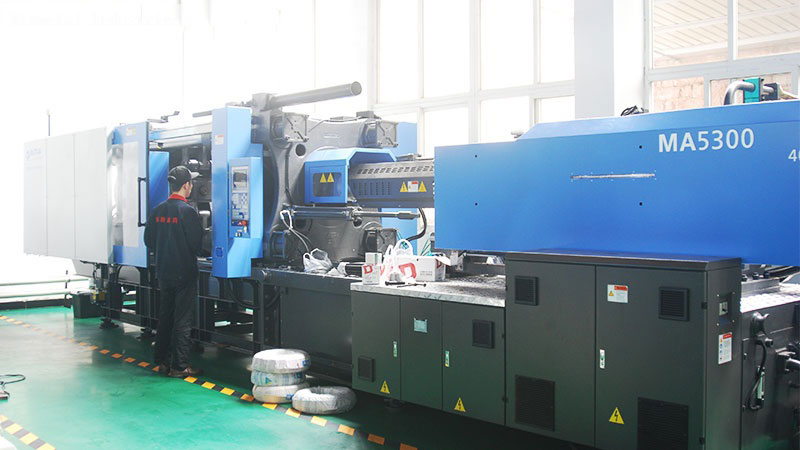
    The adage “quality cannot be inspected into a product” holds profoundly true for molds. Proactive quality control must be embedded throughout the manufacturing journey, not just as a final checkpoint. Insist on a staged inspection protocol. The first inspection, typically at First Article Inspection (FAI), occurs after the mold is manufactured but before trial shots. This involves checking core and cavity dimensions, surface textures, and the functionality of ejector and sliding systems. The second critical stage is the Trial Run Report (TMR). Your supplier should provide high-resolution photos and videos of the injection molding process, along with samples of the initial **custom made plastic pieces**. They must also share a dimensional report from a coordinate measuring machine (CMM) verifying the samples against your CAD data. For high-value projects, engaging a trusted third-party quality inspection service in China for these on-site audits is a wise investment. They can objectively verify the mold’s construction and the initial output, mitigating risk before the tool leaves the factory.

    Finalizing the project requires meticulous attention to logistics, documentation, and post-sales support. Clearly agree on mold ownership and storage terms. Determine who will hold the physical mold—often the Chinese factory for a yearly storage fee—which facilitates future production runs. The mold export process involves precise documentation: a commercial invoice, packing list, and a customs declaration that accurately describes the mold (with HS code, typically 8480) and its value. Incorrect paperwork can cause significant customs delays at your port. Discuss post-sales support explicitly. A professional supplier will guarantee a warranty period (e.g., 1-2 years or a specified number of shots) against manufacturing defects in the injection mold itself. Ensure you receive a complete mold manual with maintenance guidelines, spare parts list, and detailed drawings. This documentation is vital for any future repairs or modifications, ensuring the longevity of your tooling investment.

    In conclusion, successfully importing molds from China in 2026 is a systematic process that rewards preparation, clear communication, and strategic oversight. It moves far beyond simply finding the lowest quote. It is about partnering with a verified China mold factory through rigorous due diligence, guiding the project with precise technical specifications, validating quality at every production phase, and securing the terms for a sustainable, long-term supply of your custom plastic components. By adopting this comprehensive guide as your framework, you transform procurement from a daunting challenge into a competitive advantage. You gain access to world-class manufacturing capabilities, enabling you to bring innovative, high-quality products to your market with reliability and efficiency. The path to perfect plastic parts is paved with informed decisions—this guide equips you to make them with confidence.

    Work With Us

    As a professional China mold manufacturer, we provide one-stop mold solution for overseas buyers.
    📞 Phone: +86-18605944639
    💬 WhatsApp: +8618605944639
    🌐 Website: bestmoldworks.com
    📧 Email: [email protected]
  • custom molded products shanghai: Professional Buying Gu 2026

    For overseas buyers, sourcing custom molded products from Shanghai represents a significant opportunity to access world-class manufacturing capabilities, innovative engineering, and competitive costs. However, navigating the vast and complex landscape of China’s industrial heartland can be daunting. Missteps in supplier selection, communication, or quality management can quickly erode the financial advantages. This 2026 Professional Buying Guide is designed to cut through the noise, providing you with actionable, up-to-date strategies to successfully partner with a **China mold factory** and secure high-quality **injection mold** and finished products. We move beyond generic advice to solve the real procurement challenges you face.

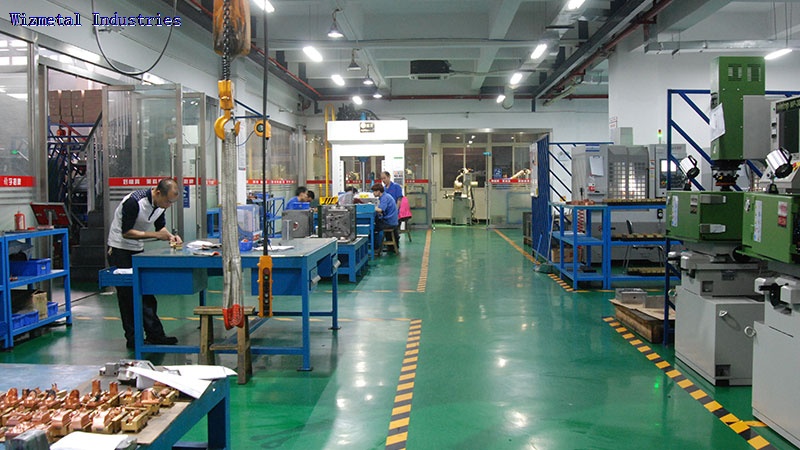
    The cornerstone of a successful import project is rigorous supplier verification. In 2026, due diligence goes far beyond checking a company’s website. Start with a deep dive into their digital footprint: analyze their technical documentation, project portfolios, and client testimonials. However, the critical step is a virtual or, ideally, in-person audit. Utilize video calls to conduct live factory tours, inspecting machinery (look for modern CNC, EDM, and injection molding machines), workshop organization, and in-house capabilities. Verify their certifications, but more importantly, understand their process control. A reputable partner for **custom molded products Shanghai** will transparently share their workflow from design-for-manufacturability (DFM) analysis to post-molding operations. Always request and contact references from their existing overseas clients to gauge their experience with communication, problem-solving, and adherence to schedules.

    Once a potential partner is identified, mastering the technical and commercial negotiation phase is crucial. Clear, unambiguous communication of your specifications is non-negotiable. Provide comprehensive 3D drawings (STEP, IGES) and a detailed product requirements document covering material grade, cosmetic standards, tolerances, and testing protocols. When discussing the **injection mold** itself, focus on mold life (number of shots), maintenance schedules, and ownership terms. The commercial discussion should encompass a clear breakdown of costs: mold tooling cost, piece-part price at different volumes, and payment terms (e.g., 50% deposit, 40% before shipment, 10% after satisfactory receipt). In 2026, savvy buyers are also factoring in logistics and potential tariff implications into their total landed cost calculations from the outset. Never choose a supplier on price alone; the lowest bid often signals compromises in steel quality, precision, or service.

    Implementing a proactive and multi-stage quality control framework is your primary risk mitigation tool. Do not rely solely on the supplier’s final inspection. Institute a mandatory First Article Inspection (FAI) after the initial production run. This involves a comprehensive measurement report verifying all critical dimensions against your drawings. For ongoing production, define an Inspection and Test Plan (ITP) that may include periodic in-process checks and Pre-Shipment Inspections (PSI). For high-volume or critical orders, consider engaging a reputable third-party quality control agency based in China to conduct these inspections on your behalf. Their objective report provides leverage and assurance before payment is finalized and goods are shipped. This disciplined approach to **procurement** ensures that quality is built into the process, not merely inspected at the end.

    The journey does not end when the container leaves Shanghai port. Professional **procurement** includes planning for the entire product lifecycle. Discuss and agree upon protocols for mold storage and maintenance with your **China mold factory**. Who is responsible for repairs if a core pin breaks? What are the costs for future production runs? Establish clear channels for post-sales support. Furthermore, the most successful long-term partnerships view the supplier as a development ally. As you innovate new products, involve them early in the design phase to leverage their expertise in manufacturability, potentially saving substantial costs and time. Building this collaborative relationship transforms a transactional purchase of **custom molded products Shanghai** into a strategic supply chain asset.

    Successfully importing custom molded products from Shanghai in 2026 demands a blend of traditional diligence and modern, connected strategies. It is a process built on systematic supplier verification, crystal-clear technical communication, ironclad quality control protocols, and a vision for long-term partnership. By moving beyond a simple price-focused approach and investing time in finding the right manufacturing partner, you unlock not just cost savings, but also reliability, quality, and innovation. Let this guide be your roadmap to transforming the complexity of overseas sourcing into a competitive advantage for your business.

    Work With Us

    As a professional China mold manufacturer, we provide one-stop mold solution for overseas buyers.
    📞 Phone: +86-18605944639
    💬 WhatsApp: +8618605944639
    🌐 Website: bestmoldworks.com
    📧 Email: [email protected]
  • tyre mould manufacturers in china: Professional Buying 2026

    For overseas buyers in the automotive and tire industries, sourcing high-precision tyre moulds is a critical component of manufacturing excellence. As we move into 2026, the landscape of procuring from China has evolved beyond simple cost advantage to a complex equation of technological capability, reliability, and strategic partnership. This guide is designed to cut through the noise and provide a professional, actionable framework for engaging with tyre mould manufacturers in China, ensuring your procurement process is efficient, secure, and yields superior quality tooling.

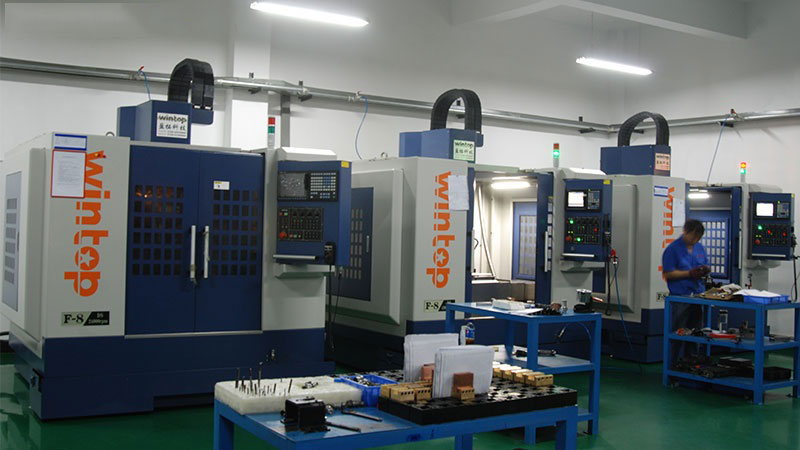
    The foundation of a successful import project lies in meticulous supplier verification. The term “China mold factory” encompasses a vast spectrum, from rudimentary workshops to fully automated, technologically advanced facilities. Your first task is to discern the difference with concrete evidence. Begin by verifying business licenses and export credentials. However, for 2026, due diligence must go deeper. Require detailed case studies of previous projects for international clients, specifically for tyre moulds. Insist on a virtual or, ideally, an in-person facility tour to witness their CNC machining centers, EDM (Electrical Discharge Machining) equipment, and coordinate measuring machines (CMM) in operation. Assess their engineering team’s proficiency in industry-standard design software. A reliable partner will transparently showcase their process and personnel, understanding that this verification is a non-negotiable step for serious procurement.

    Once a potential partner is identified, precision in technical communication becomes paramount. The design and manufacturing of a tyre mould is a highly specialized field involving intricate tread patterns, sidewall engraving, and complex segmentation. To avoid costly errors, your technical data package must be exhaustive and unambiguous. Provide not only 3D CAD models (in a universally accepted format like STEP or IGES) but also fully detailed 2D drawings with geometric dimensioning and tolerancing (GD&T). Clearly specify the mould base standards (e.g., LKM, DME), required steel grades (such as P20, H13, or stainless steel for specific components), hardness requirements, and surface finish specifications for the tread and sidewall areas. Documenting every requirement in a jointly signed technical agreement transforms subjective expectations into objective, measurable benchmarks for the subsequent quality control phase.

    Implementing a rigorous, multi-stage quality control protocol is your primary defense against substandard deliverables. Do not relegate inspection to a final pre-shipment check. Professional procurement in 2026 demands integrated QC. Mandate a First Article Inspection (FAI) after the initial mould trial. This involves a comprehensive dimensional report from the China mold factory, often using a 3D scanner to compare the produced tyre sample against your original CAD data. For the injection mold or casting process used in tyre production, witness and approve material certificates for the mould steel. Schedule critical stage inspections, such as after rough machining and after heat treatment. Employing a trusted third-party inspection service within China for these stages provides an unbiased assessment of workmanship and adherence to the technical agreement, mitigating risk before the mould ever leaves the factory floor.

    Navigating commercial terms and logistics with foresight is essential for a smooth transaction. While FOB (Free On Board) remains common, explore CIP (Carriage and Insurance Paid To) for greater control over shipping safety and costs, especially for high-value, sensitive equipment like tyre moulds. In your contract, explicitly define payment terms that balance risk; a common structure is 30-40% deposit, 50-60% upon approval of pre-shipment inspection reports, and the final 10% retained until successful commissioning at your facility. Crucially, ensure the contract includes comprehensive warranty clauses covering workmanship, material defects, and the performance of the mould over a specified period or production cycle count. Clarify responsibilities for troubleshooting and repair support, including the potential for sending their engineers to your site, which is a mark of a truly supportive supplier.

    Building a relationship with your chosen tyre mould manufacturers in china should be viewed as a long-term strategic investment. The most successful importers treat their Chinese factory not as a transactional vendor but as a technical extension of their own manufacturing capability. Foster open communication, provide constructive feedback, and discuss future projects and technological trends, such as the integration of sensors for smart moulding or advancements in multi-section mould designs. This collaborative approach incentivizes your supplier to prioritize your projects, offer insights for optimization, and become a reliable pillar in your supply chain for years to come.

    In conclusion, professional buying in 2026 is defined by strategic rigor and partnership. The competitive advantage of importing tyre moulds from China is no longer just about cost savings; it is about accessing world-class engineering and manufacturing prowess through a disciplined, informed process. By executing thorough supplier verification, mastering technical communication, enforcing staged quality control, securing favorable commercial terms, and cultivating a collaborative relationship, you transform the complex challenge of overseas procurement into a reliable driver of your product quality and market competitiveness. The path to a flawless tyre mould begins with a flawless procurement strategy.

    Work With Us

    As a professional China mold manufacturer, we provide one-stop mold solution for overseas buyers.
    📞 Phone: +86-18605944639
    💬 WhatsApp: +8618605944639
    🌐 Website: bestmoldworks.com
    📧 Email: [email protected]
  • custom injection molding manufacturer: Best Suppliers 2026

    For overseas buyers, sourcing from a custom injection molding manufacturer in China remains a powerful strategy for achieving cost efficiency, scalability, and technical capability. However, the landscape is evolving rapidly. The promise of 2026 is not merely about finding a low-cost producer but identifying a sophisticated manufacturing partner capable of delivering precision, consistency, and innovation. This guide cuts through the noise to provide actionable, real-world strategies for procurement professionals aiming to secure partnerships with the best suppliers for the coming years.

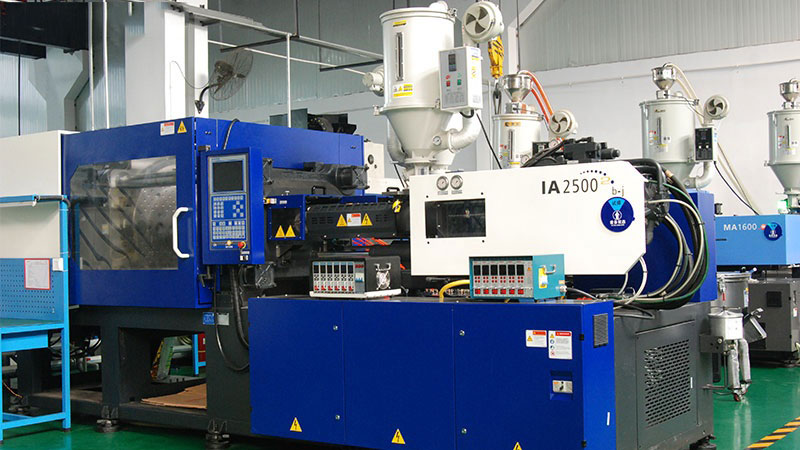
    The foundation of a successful import project lies in rigorous supplier verification. Moving beyond Alibaba listings and website claims is non-negotiable. In 2026, verification means a multi-layered approach. Start with a deep audit of the China mold factory’s credentials: business licenses, export history, and industry-specific certifications like IATF 16949 for automotive or ISO 13485 for medical devices. However, true verification happens live. Insist on a virtual factory tour via video call; a reputable supplier will readily showcase their shop floor, molding machines (note the brands and tonnage), clean rooms if applicable, and quality lab. This step immediately filters out trading companies masquerading as manufacturers and reveals the operational reality. Furthermore, request detailed case studies for projects similar in complexity and volume to yours. A competent custom injection molding manufacturer will have a portfolio that demonstrates their niche expertise, whether in thin-wall molding, overmolding, or working with engineering-grade resins.

    Once a potential partner passes initial verification, the focus must shift to technical alignment and communication. The design for manufacturability (DFM) stage is your most critical risk mitigation point. A top-tier supplier will not simply quote on your provided 3D file but will proactively return a comprehensive DFM report. This document should highlight potential issues with wall thickness, gate locations, sink marks, ejection, and material selection specific to your part function. Their engineers should engage in a technical dialogue, suggesting optimizations that reduce mold complexity, improve part strength, and lower cycle times. Clear communication protocols must be established from day one. Determine your single points of contact for technical, commercial, and quality matters. Understand their project management tools and how they will provide updates. Misalignment in expectations during the mold development phase is a primary cause of delay and cost overruns, making this collaborative engineering step indispensable.

    The true test of a supplier lies in their mastery of the injection mold itself and their integrated quality control regime. The mold is a long-term asset, and its construction dictates part quality, production efficiency, and maintenance costs. Discuss mold steel standards explicitly—such as pre-hardened steels like P20 or hardened steels like H13 for high-volume production. Inquire about their in-house capabilities: do they design, machine, and polish molds themselves, or outsource key steps? An integrated China mold factory that controls the entire mold-making process under one roof typically offers better accountability, faster troubleshooting, and superior finish. Parallel to this, scrutinize their quality control framework. It must be process-embedded, not just final inspection. Ask for their control plan: how do they monitor critical parameters like injection pressure, temperature, and cycle time during production? Request documentation for their measuring equipment (CMM, optical comparators) and their first article inspection report format. A reliable partner will welcome this scrutiny as it reflects a shared commitment to zero-defect procurement.

    Managing logistics, intellectual property, and the total cost of ownership completes the strategic picture. For overseas buyers, clarity on Incoterms is vital. Will you manage freight and insurance, or will the supplier? Understand their packaging standards for both delicate prototype molds and bulk production parts to prevent damage in transit. On IP protection, a professional legal agreement is essential, but practical steps include signing NDAs, controlling access to mold designs, and, for critical molds, stipulating that the physical tooling remains your property and is stored securely at their facility. Finally, calculate beyond the unit price. The best suppliers in 2026 will be those that optimize for total cost. This includes mold longevity, consistent part quality reducing assembly line rejects, reliable on-time delivery preventing production stoppages, and engineering support that enhances your product. A slightly higher unit price from a manufacturer that excels in these areas invariably leads to lower total cost and reduced business risk.

    Identifying the best custom injection molding manufacturer for your needs in 2026 requires a shift from transactional thinking to partnership evaluation. The leading Chinese suppliers are no longer just workshops; they are solution providers competing on engineering excellence, systemic quality control, and supply chain reliability. By executing thorough supplier verification, engaging deeply in the DFM process, auditing their mold-making and quality infrastructure, and planning for secure, efficient logistics, you transform procurement from a cost center into a competitive advantage. The journey to find a world-class injection mold partner demands diligence, but the reward is a resilient, high-quality supply chain that will support your product success for years to come.

    Work With Us

    As a professional China mold manufacturer, we provide one-stop mold solution for overseas buyers.
    📞 Phone: +86-18605944639
    💬 WhatsApp: +8618605944639
    🌐 Website: bestmoldworks.com
    📧 Email: [email protected]

  • where can i get a plastic mold made: Reliable Manufac 2026

    For overseas buyers and product developers, the question “where can i get a plastic mold made” is a critical starting point that defines the success, cost, and timeline of your entire production project. In 2026, the global manufacturing landscape remains highly competitive, and China continues to be a dominant hub for precision tooling. However, navigating this market requires more than just a simple search; it demands a strategic approach to procurement, supplier verification, and quality control. This guide is designed to cut through the noise and provide you with actionable, professional strategies for identifying and partnering with a reliable China mold factory to bring your plastic part designs to life.

    The most direct and often most effective answer to “where can i get a plastic mold made” is through dedicated industrial regions in China. Cities like Ningbo, Dongguan, Shenzhen, and Suzhou have evolved into specialized clusters for mold manufacturing. These ecosystems offer immense advantages. They concentrate expertise, supply chains for mold steel and components, and competitive pricing due to high market competition. For an overseas buyer, targeting these regions increases the likelihood of finding a supplier with deep experience in your specific industry, whether it’s automotive, consumer electronics, medical devices, or household goods. Begin your search by focusing on factories within these hubs, as their localized expertise translates directly into higher efficiency and often better technical solutions for your injection mold project.

    Once you have identified potential geographic hubs, rigorous supplier verification becomes your most important task. In the digital age, a professional online presence is a baseline, but it is not a guarantee. Start by scrutinizing the China mold factory’s website for technical details: do they showcase engineering capabilities, mold flow analysis, or case studies similar to your project? Utilize third-party verification platforms like SGS, Alibaba’s Supplier Assessment reports, or even professional site audits conducted by local agents. Crucially, request and actually contact past overseas clients. A reputable manufacturer will have a portfolio of successful international collaborations. This step moves you from a list of potential vendors to a shortlist of credible partners who understand the complexities of overseas procurement and communication.

    After verification, the next critical phase is defining your project with absolute clarity to enable accurate quoting and planning. Ambiguity is the primary cause of cost overruns and delays. Prepare a comprehensive package for potential suppliers. This must include detailed 3D part drawings (STEP or IGS files), 2D technical drawings with critical tolerances and surface finish requirements, material specifications for the final plastic part, and expected annual volumes. For the injection mold itself, specify requirements such as mold steel grade (e.g., P20, H13, S136), cavity count, expected lifecycle, and hot runner system preferences. Providing this level of detail allows different factories to quote on the same basis and demonstrates your professionalism, which in turn attracts more serious and capable manufacturers.

    The decision-making process should never be based on price alone. While competitive costing is a significant advantage of sourcing from China, the lowest quote can often signal compromises in steel quality, machining precision, or engineering oversight. Instead, conduct a technical review of the quotes received. Engage with the engineers from your top candidate factories. Discuss their approach to designing the injection mold for manufacturability, how they plan to handle challenging part geometries, and their proposed quality control protocol. A factory that asks insightful questions about your design is often more valuable than one that simply accepts your files without comment. This dialogue assesses their problem-solving capability and commitment to building a mold that ensures efficient, high-quality part production for years.

    Finally, establishing a robust framework for quality control and communication is what separates successful long-term partnerships from failed one-off transactions. Before production begins, agree on key milestones for inspection and approval. These typically include a mold design review, a first article inspection (FAI) report from the initial sample shots, and a final pre-shipment inspection. For critical projects, consider hiring a third-party quality inspection company within China to conduct these checks on your behalf. Furthermore, clarify communication protocols: who is your single point of contact, what is the expected response time, and what tools will be used for updates (e.g., shared project management platforms, regular video calls). Proactive and structured communication mitigates risks and builds the trust necessary for a smooth import process.

    In conclusion, the journey to find where you can get a plastic mold made in 2026 leads decisively to China’s specialized manufacturing regions, but the path is paved with diligent research and structured engagement. By focusing on verified suppliers in industrial hubs, providing impeccable project specifications, evaluating technical expertise over price alone, and instituting rigorous quality control measures, you transform the procurement challenge into a strategic advantage. Reliable manufacturing partnerships are built on transparency and shared goals. By following this professional approach, you are not just purchasing a tool; you are investing in a foundational asset that will drive the consistent quality and scalability of your plastic products for the long term.

    Work With Us

    As a professional China mold manufacturer, we provide one-stop mold solution for overseas buyers.
    📞 Phone: +86-18605944639
    💬 WhatsApp: +8618605944639
    🌐 Website: bestmoldworks.com
    📧 Email: [email protected]

  • plastic moulding factory near me: Ultimate Guide for 2026

    For overseas buyers, the search for a “plastic moulding factory near me” is often a metaphor for a broader, more complex quest: finding a reliable, high-quality, and cost-effective manufacturing partner in China. The geographical distance implied in “near me” transcends physical location, speaking instead to proximity in trust, communication, and seamless integration into your supply chain. As we approach 2026, the landscape of importing molds from China has evolved, becoming more sophisticated and competitive. This guide is designed to cut through the noise and provide you with a professional, actionable framework for successfully procuring injection molds and molded parts from China, turning a daunting international endeavor into a streamlined strategic advantage.

    **Rethinking “Near Me”: The Strategic Shift to Verified China Mold Factory Partnerships**

    The first step is to redefine your search parameters. Instead of a literal local search, focus on creating a “virtual proximity” with a **China mold factory** that aligns with your project’s technical and commercial needs. This begins with deep-due diligence in supplier verification. In 2026, a factory’s digital footprint is as critical as its physical one. Start by analyzing their professional presence: a detailed, English-accessible website with engineering case studies, client testimonials (preferably from your region), and clear certifications (ISO 9001, IATF 16949 for automotive). Utilize B2B platforms but go beyond them; cross-reference the company on professional networks like LinkedIn and industry-specific forums. The most reliable **plastic moulding factory near me** in spirit will have transparent processes, readily available contact information for key project managers, and a willingness to engage in video calls for virtual factory tours. This digital verification layer is your first and most crucial filter.

    **Technical Alignment and Precision in Injection Mold Design**

    Once a shortlist of potential partners is established, the focus must shift to technical capability. Not every **injection mold** manufacturer is suited for every project. Clearly define your requirements: material (e.g., ABS, PP, POM), part complexity, tolerance levels, expected annual volumes, and lifecycle. During initial discussions, present a detailed RFQ (Request for Quotation) including 3D drawings (STEP or IGS format) and a technical data sheet. Evaluate the factory’s response not just on price, but on their engineering feedback. A competent partner will ask insightful questions about gate locations, ejection methods, cooling line design, and potential sink marks. They should explain their mold flow analysis process and how it informs the mold design to prevent future defects. This collaborative engineering phase is where a true partner separates itself from a mere vendor, ensuring the tool is designed for manufacturability and longevity from the outset.

    **Navigating Procurement: Contracts, IP Protection, and Payment Terms**

    The **procurement** phase is where clear, professional agreements safeguard your investment. A comprehensive contract is non-negotiable. It must explicitly cover: detailed technical specifications, project milestones (T0, T1 samples), approval procedures, delivery schedule, payment terms (e.g., 30% deposit, 40% after first article inspection, 30% before shipment), and most importantly, intellectual property (IP) clauses. Ensure the contract states that all molds, designs, and associated tooling are your exclusive property. For payment security, consider using escrow services or letters of credit (L/C). Be wary of factories demanding full payment upfront. A structured, milestone-based payment plan aligns interests and mitigates risk. Furthermore, clarify incoterms (FOB Shanghai is common) to avoid hidden logistics costs. Professional **procurement** in 2026 demands legal clarity and financial prudence.

    **Implementing Rigorous Quality Control from DFM to Final Shipment**

    **Quality control** cannot be an afterthought; it must be integrated into every stage. It begins with Design for Manufacturability (DFM) review, where potential quality issues are identified and resolved digitally. Insist on a First Article Inspection (FAI) report against your provided drawings, with full dimensional results. For ongoing production, define your Acceptable Quality Level (AQL) standards for sampling inspections. The most effective strategy is to partner with a reputable third-party quality inspection company within China. These inspectors act as your eyes on the ground, conducting pre-shipment inspections at the factory to verify quantity, workmanship, function, and packaging. They can also perform during-production checks for high-volume orders. This layer of independent verification provides objective assurance and prevents costly rejections upon arrival at your port. A factory confident in its quality will not object to such measures.

    **Building the Bridge: Communication, Logistics, and Long-Term Partnership**

    Finally, the operational success of working with your chosen **China mold factory** hinges on communication and logistics. Establish a single point of contact who is proficient in English and understands technical jargon. Use collaborative tools (shared cloud folders, project management software) to track revisions and approvals. For logistics, work with a experienced freight forwarder familiar with handling模具 (molds) and plastic products. They will manage customs clearance, optimal routing, and insurance. Consider the total landed cost, including duties and inland transportation. View this not as a one-off transaction but as the foundation of a long-term partnership. A reliable **plastic moulding factory near me**, in the global sense, becomes an extension of your own operations, capable of supporting product iterations, maintenance, and future projects with increasing efficiency.

    In conclusion, the successful import of molds from China in 2026 is a disciplined process of strategic partner selection, technical collaboration, and rigorous process control. By moving beyond a simple geographical search to a holistic evaluation of capability, integrity, and systems, you effectively bring a world-class manufacturing partner “near you” in every way that matters. The ultimate goal is to transform the complexity of overseas procurement into a reliable, scalable, and competitive pillar of your business, ensuring that the quality and precision you require are consistently delivered, mile after mile.

    Work With Us

    As a professional China mold manufacturer, we provide one-stop mold solution for overseas buyers.
    📞 Phone: +86-18605944639
    💬 WhatsApp: +8618605944639
    🌐 Website: bestmoldworks.com
    📧 Email: [email protected]

  • injection mold manufacturers in china: Best Suppliers 2026

    For overseas businesses, sourcing injection molds from China remains a powerful strategy to achieve significant cost savings without necessarily sacrificing quality. The landscape of injection mold manufacturers in China is vast and varied, offering everything from highly automated large-scale factories to specialized boutique workshops. However, navigating this complex market to identify the best suppliers for your specific needs in 2026 and beyond requires a methodical and informed approach. This guide is designed to move beyond simple directory listings and provide you with actionable, professional strategies to streamline your procurement process, ensure rigorous supplier verification, and implement effective quality control measures from the outset.

    Conducting Deep Supplier Verification Beyond Alibaba

    The initial search often begins on B2B platforms, but true verification must go much deeper. For critical tooling like an injection mold, due diligence is non-negotiable. Start by shortlisting potential China mold factory candidates based on their specific industry experience. A supplier showcasing extensive work in automotive components may not be the ideal fit for thin-wall medical device molds. Request detailed case studies with photographs or videos of previous molds and final parts. The next crucial step is a virtual or, ideally, in-person factory audit. In 2026, reputable suppliers expect this and should readily facilitate a live video tour. During this audit, focus on their machine park the types and conditions of CNC, EDM, and milling equipment, their quality control lab measuring instruments like CMMs, and their workshop organization. Always ask for and contact at least two past international clients for direct references. This level of verification separates marketing from capability.

    Mastering the Technical and Commercial Dialogue

    Clear communication of your requirements is the bedrock of a successful project. Providing a comprehensive RFQ Request for Quotation package is essential. This should include not just a 3D part model STEP or IGES, but also a detailed specification document covering material, annual volumes, critical tolerances, surface finish requirements, and expected mold life. Be explicit about your expectations for mold design standards DME, HASCO, or local standards, cooling line layouts, and ejection systems. When reviewing quotations, look beyond the bottom-line price. Analyze the breakdown mold base steel type, core/cavity steel grade, number of cavities, hot runner system brand, and payment terms. A professional injection mold manufacturer will provide a transparent quote that allows for an apples-to-apples comparison. Discuss and agree on a milestone-based payment schedule tied to key deliverables like design approval, T1 sample approval, and final inspection, which protects both parties.

    Implementing Proactive Quality Control from Design to Sampling

    Quality cannot be inspected into a mold; it must be built in from the design phase. Insist on a formal mold design review process before any steel is cut. Your team or a trusted third-party inspector should approve the DFM Design for Manufacturability report and the full mold assembly drawings, focusing on gating, cooling, venting, and ejection. During manufacturing, require regular progress updates with photos and videos, particularly for key stages like steel milling, heat treatment, and electrical discharge machining. The most critical QC point is the First Article Inspection FAI of the T1 sample parts. These samples should be produced at the China mold factory on their injection presses, using production-intent materials. Measure these samples thoroughly against your drawings and perform functional tests. A reliable supplier will provide a complete dimensional inspection report from their lab. Do not approve mass production until the sample parts are perfect.

    Navigating Logistics, IP Protection, and Long-Term Partnership

    Finalizing the mold is only part of the journey. Clearly define terms for mold ownership, storage, and maintenance. Who owns the mold tooling? Where will it be stored after production, and at whose cost? Discuss maintenance agreements upfront. For intellectual property protection, a well-drafted Non-Disclosure Agreement NDA and Product Development Agreement PDA are more effective than relying on vague promises. While legal enforcement across borders has challenges, these documents establish a formal framework and signal your seriousness. Plan logistics early; molds are heavy, high-value items. Decide whether you will ship the mold to your home country for production or leave it in China for production runs. Work with your chosen injection mold manufacturers in china to arrange secure, insured shipping via air or sea freight. A successful first project often leads to a valuable long-term partnership, reducing lead times and costs for future projects.

    Conclusion

    Identifying the best injection mold suppliers in China for 2026 is a strategic procurement exercise that balances cost, capability, and communication. The competitive advantage lies not in finding the cheapest vendor, but in partnering with a technically proficient China mold factory that demonstrates transparency, robust engineering processes, and a commitment to shared quality standards. By investing time in thorough supplier verification, mastering the technical dialogue, implementing proactive quality control at every stage, and clearly defining post-production terms, overseas buyers can mitigate risks and unlock the immense value the Chinese mold-making industry offers. This disciplined approach transforms a complex international procurement challenge into a reliable and profitable pillar of your supply chain.

    Work With Us

    As a professional China mold manufacturer, we provide one-stop mold solution for overseas buyers.
    📞 Phone: +86-18605944639
    💬 WhatsApp: +8618605944639
    🌐 Website: bestmoldworks.com
    📧 Email: [email protected]

  • custom molds for soft plastics: Complete Procurement Gu 2026

    For overseas businesses in the fishing, toy, or promotional industries, sourcing high-quality custom molds for soft plastics from China represents a significant strategic advantage. It offers the potential for substantial cost savings, rapid prototyping, and access to advanced manufacturing expertise. However, the procurement journey is fraught with complexities, from supplier verification to nuanced quality control. This guide is designed to cut through the noise and provide a clear, actionable roadmap for navigating the Chinese mold manufacturing landscape in 2026, ensuring you secure a reliable partner and a superior product.

    The cornerstone of a successful import project is selecting the right China mold factory. This step goes far beyond a simple online search. Begin by leveraging industry-specific B2B platforms, but prioritize suppliers with verifiable credentials and a portfolio showcasing direct experience with soft plastic or silicone injection molds. Look for factories that explicitly mention materials like PVC, TPE, or TPU in their capabilities. The most critical action is to move beyond digital communication quickly. Insist on a video tour of the facility. A reputable manufacturer will readily show you their CNC machining centers, EDM equipment, and, crucially, their injection molding workshop. Observe the organization, the technology in use, and ask to see similar finished molds. This visual verification is your first and most powerful filter against unqualified workshops.

    Once a potential partner is identified, a meticulous technical and commercial discussion must follow. For soft plastic items, the injection mold design is paramount. It must account for material flow characteristics, shrinkage rates, and the intricacies of demolding flexible parts. Provide your supplier with exceptionally clear requirements: 3D CAD files (STEP or IGS formats are preferred), material specifications for the final plastic, expected production volume, and detailed surface finish expectations. A professional factory will offer design for manufacturability (DFM) feedback, suggesting improvements for mold longevity and part quality. Simultaneously, negotiate a transparent pricing structure. Understand what is included: the number of cavities, mold base steel grade (such as P20 or 718 for corrosion resistance), hot runner systems if needed, and the scope of sampling. Always clarify payment terms; a standard 50% deposit with 50% upon pre-shipment inspection is common, but never pay 100% upfront.

    The phase between order placement and mass production is where rigorous quality control protocols separate successful projects from costly failures. Your agreement should mandate a First Article Inspection (FAI) using samples from the initial mold trial. These samples must be measured against your provided drawings with a Coordinate Measuring Machine (CMM) report for critical dimensions. For soft plastics, also evaluate the tactile qualities, flexibility, and visual appearance for flaws like flow lines or incomplete filling. Do not approve the mold until you are satisfied with the sample parts. Furthermore, during the machining process, request progress photos or videos of key stages—mold base preparation, cavity and core texturing, and assembly. This ongoing oversight prevents major deviations and ensures the project stays on track, aligning with global standards for precision procurement.

    Before shipment, a final pre-shipment inspection (PSI) is non-negotiable. This involves a qualified third-party or your appointed agent inspecting the finished mold at the factory. The inspection should verify: the physical condition of the mold, its functionality on a press (if possible), the quality of a final sampling run, and that all agreed-upon components and documentation (like mold drawings and maintenance guides) are present. For soft plastic molds, pay special attention to the venting and cooling systems, as these directly impact cycle time and part quality. Only after a successful PSI report should the final payment be released. Finally, discuss shipping and logistics with your supplier. They can often assist with professional crating, export documentation, and freight forwarding recommendations, ensuring your valuable custom molds for soft plastics arrive at your destination securely and efficiently.

    Building a successful, long-term partnership with your Chinese mold manufacturer is the ultimate goal. View this procurement not as a one-time transaction but as the foundation for future collaboration. Provide clear, constructive feedback during the process. A reliable supplier will appreciate this and use it to improve. Consider starting with a smaller, less complex mold to test the partnership before committing to larger, more expensive projects. As trust builds, you gain a responsive extension of your production capability, enabling you to innovate and bring new soft plastic products to market with agility and confidence.

    In conclusion, importing custom molds for soft plastics from China in 2026 demands a structured, vigilant approach centered on verification, clear communication, and embedded quality control. By meticulously selecting a specialized China mold factory, engaging deeply in the technical design, enforcing staged inspections, and fostering a partnership mindset, overseas buyers can mitigate risks and fully capitalize on the immense value proposition. The path to a perfect mold is paved with detailed preparation and proactive oversight, leading to a competitive edge that drives product quality and business growth for years to come.

    Work With Us

    As a professional China mold manufacturer, we provide one-stop mold solution for overseas buyers.
    📞 Phone: +86-18605944639
    💬 WhatsApp: +8618605944639
    🌐 Website: bestmoldworks.com
    📧 Email: [email protected]