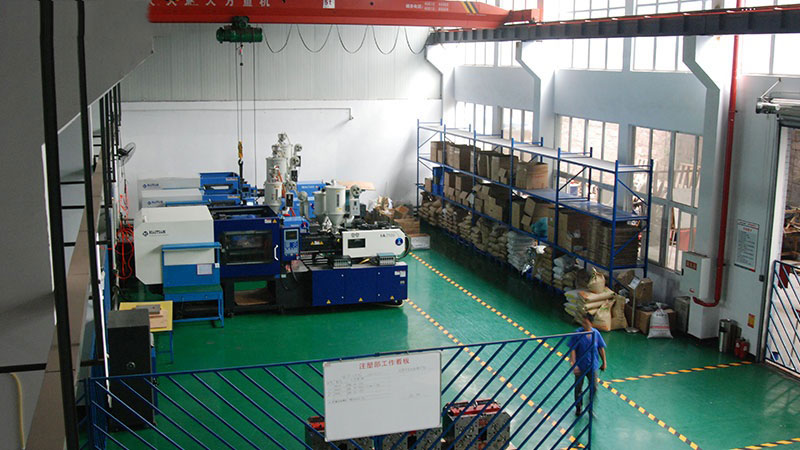
Navigating the landscape of overseas procurement for custom tooling can be a daunting endeavor. For businesses seeking to leverage cost-effective manufacturing without compromising on precision or reliability, China remains the premier global hub for mold production. This professional guide for 2026 is designed to cut through the complexity, offering overseas buyers a structured, actionable framework for successfully importing high-quality custom molds from China. We move beyond superficial advice to solve the real, on-the-ground challenges you face, from initial supplier verification to final quality assurance.
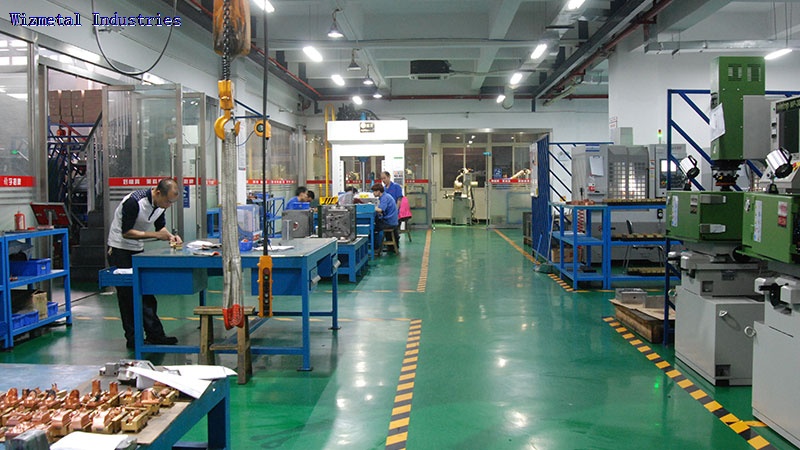
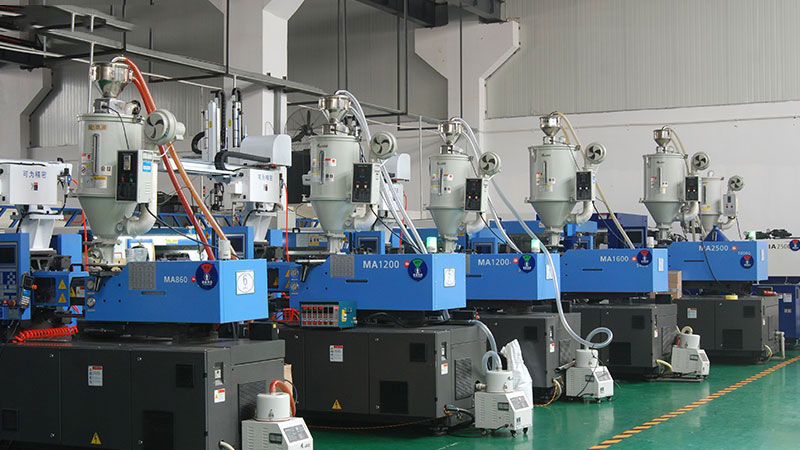
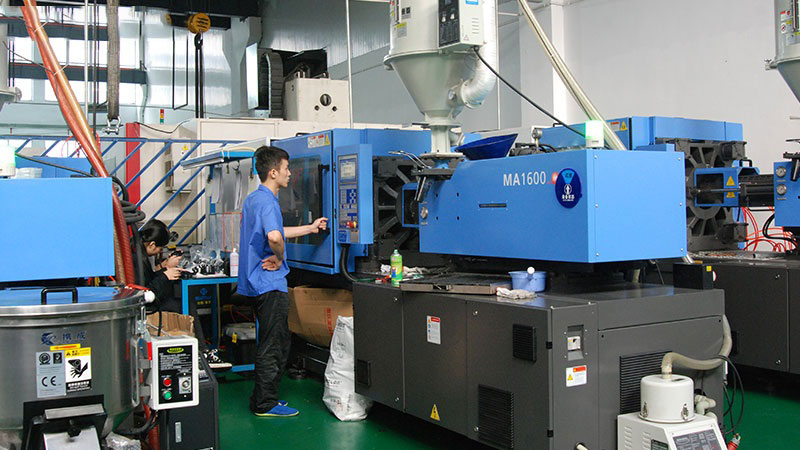
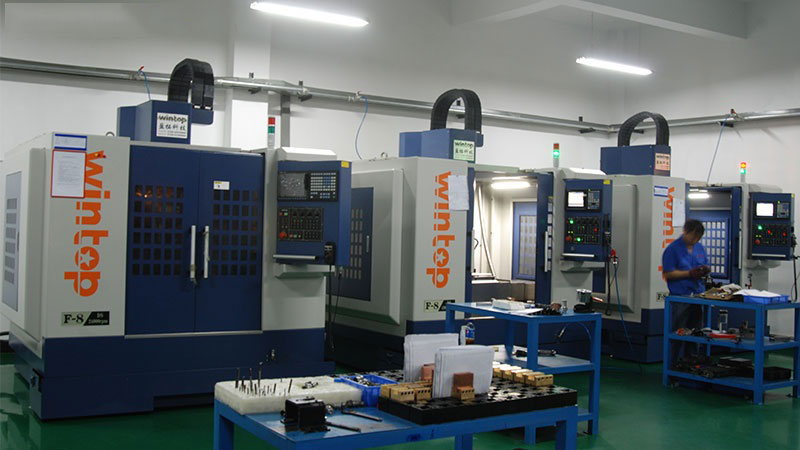
The foundation of a successful import project lies in meticulous supplier verification. The term “China mold factory” encompasses a vast spectrum, from highly automated facilities serving global brands to smaller workshops with limited capabilities. Your first critical task is to conduct deep due diligence. Move beyond Alibaba storefronts. Request detailed company profiles, ask for virtual or recorded facility tours focusing on their CNC, EDM, and mold testing equipment. Verify business licenses and, crucially, inquire about their specific experience with overseas clients in your industry. A professional supplier will readily provide contactable references from past international buyers. This step filters out trading companies masquerading as manufacturers and identifies partners with proven export competency, setting the stage for a transparent procurement process.
With a shortlist of verified potential partners, defining your project with technical clarity becomes paramount. A precise Request for Quotation (RFQ) is your most powerful tool. For an injection mold, this must include comprehensive 3D part files (STEP or IGES), material specifications, expected annual volumes, and detailed technical requirements like surface finish (SPI standards), tolerances, and cycle time targets. Explicitly state your expectations for mold design review stages, material certificates for mold steel (such as P20, H13, or S136), and the standard for mold components (e.g., HASCO, DME, or LKM). Ambiguity here leads to cost variations and delays later. A competent China mold factory will analyze your RFQ and engage in technical consultations, asking informed questions to refine the design for manufacturability (DFM), ultimately ensuring the final custom mold is optimized for performance and longevity.
The negotiation and contracting phase is where professional rigor protects your investment. While unit price is important, scrutinize the payment terms. A standard secure structure might be 30-40% deposit, 40-50% after initial sample approval, and the balance before shipment. Ensure the contract explicitly details the project timeline with milestones, includes provisions for design changes, and, most critically, defines the quality control (QC) protocol and acceptance criteria. Specify who is responsible for pre-shipment inspection, the format of the inspection report (often with photos and dimensional data), and the procedure for handling non-conformities. A clear contract aligns expectations and provides a legal framework, transforming a simple purchase into a managed professional partnership.
Proactive quality control is non-negotiable and should be integrated throughout the manufacturing lifecycle, not just as a final checkpoint. Engage your supplier to provide regular progress updates with photos or videos at key stages: material procurement, core and cavity machining, fitting, and trial assembly. The most critical QC event is the First Article Inspection (FAI) during the mold trial. Insist on a detailed Trial Report that includes parameters used, photos of the molded samples, and dimensional measurement results against your part drawings. For high-value projects, consider engaging a trusted third-party quality inspection service in China to conduct an on-site audit during the final pre-shipment stage. This independent verification provides an objective assessment of the injection mold’s workmanship and functionality, mitigating risk before the tool leaves the factory floor.
Effective logistics and post-sales planning ensure your investment is protected upon arrival and throughout its operational life. Discuss incoterms (EXW, FOB, CIF) clearly with your supplier to understand where your responsibilities begin. For delicate and high-value custom molds, professional packing in a wooden crate with proper immobilization is essential. Verify that all documentation, including a detailed packing list, commercial invoice, and mold design drawings, is complete and accurate for customs clearance. Furthermore, establish post-sales support terms upfront. A reliable China mold factory will offer a warranty period (typically 12-24 months) against manufacturing defects and should commit to providing ongoing support for maintenance, spare parts, and potential future modifications. This long-term perspective is the hallmark of a true partnership.
Importing a custom mold from China in 2026 demands a strategic, informed approach that prioritizes verification, clarity, and proactive management. By rigorously vetting your China mold factory, defining your injection mold requirements with precision, enforcing robust quality control measures, and securing clear contractual and logistical terms, you transform procurement from a cost-centric transaction into a value-driven partnership. The goal is not merely to buy a tool, but to secure a critical asset that will reliably produce high-quality parts for years to come. With this professional guide as your roadmap, you are equipped to navigate the complexities of overseas procurement with confidence, ensuring your investment delivers optimal return and supports your product’s success in the global marketplace.
Work With Us
As a professional China mold manufacturer, we provide one-stop mold solution for overseas buyers.
📞 Phone: +86-18605944639
💬 WhatsApp: +8618605944639
🌐 Website: bestmoldworks.com
📧 Email: [email protected]