For global businesses, sourcing a plastic mold from China remains a strategic decision to balance exceptional quality with significant cost efficiency. However, the journey from identifying a potential China mold factory to receiving a flawless injection mold at your facility is fraught with complexities. This professional guide for 2026 cuts through the noise, offering overseas buyers a structured, actionable framework to navigate the procurement landscape, mitigate risks, and secure a reliable partnership that delivers value far beyond the initial price quotation.
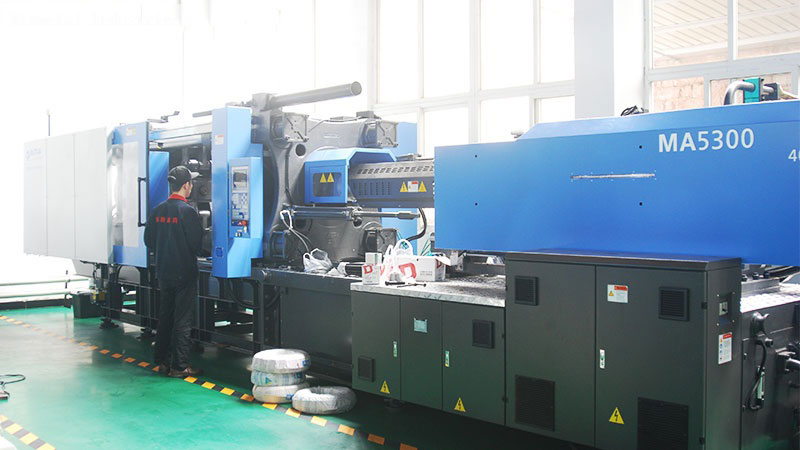
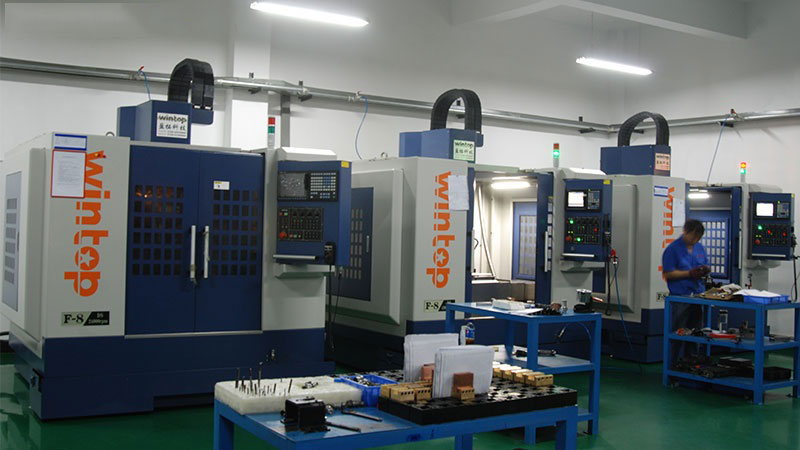
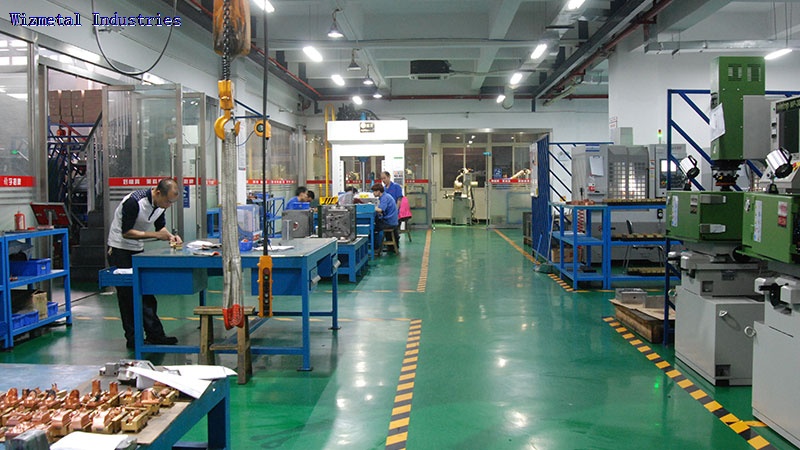
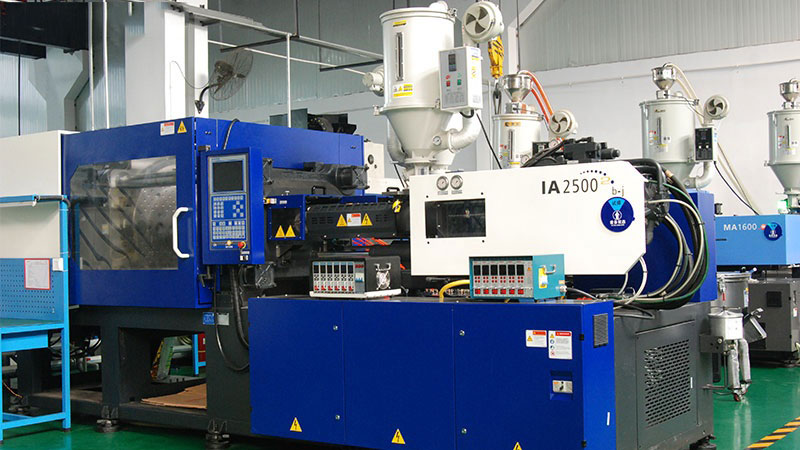
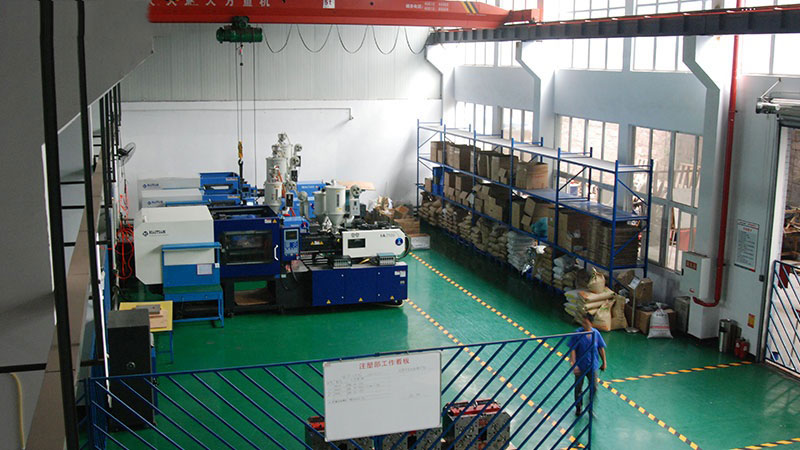
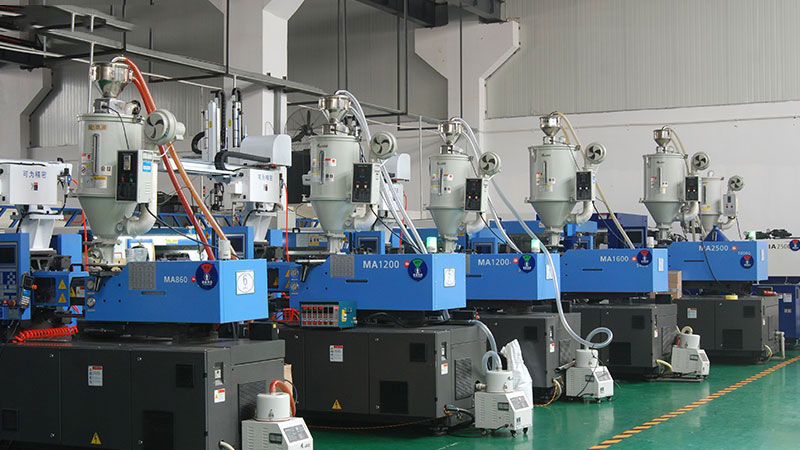
The cornerstone of successful procurement lies in rigorous supplier verification, a process that has evolved beyond simple website checks. Begin with a multi-platform assessment: scrutinize the supplier’s professional presence on B2B platforms like Alibaba and Made-in-China, but also investigate their activity on LinkedIn and industry-specific forums. The true verification, however, happens through direct, technical engagement. Prepare a detailed Request for Quotation (RFQ) package that includes not just part drawings, but material specifications, expected annual volumes, cavity requirements, and surface finish standards. A competent China mold factory will respond with clarifying questions about draft angles, tolerances, and gate preferences. Insist on a video conference to tour their facility virtually; observe their machinery (look for modern CNC, EDM, and injection molding machines), workshop organization, and quality control stations. Request and contact at least three references from their existing overseas clients, specifically asking about communication, post-sales support, and how issues were resolved.
Once a supplier is shortlisted, mastering the technical and commercial negotiation phase is critical. Focus the discussion on the total cost of ownership, not just the mold price. A transparent quotation should break down costs for mold design, material (pre-hardened steel, stainless steel, etc.), manufacturing, sampling, and logistics. Be wary of quotes that seem abnormally low; they often signal the use of inferior materials or hidden costs. For injection mold projects, explicitly agree on the number of free sample iterations and the protocol for design changes. Crucially, define the quality acceptance criteria upfront. This should be formalized in a Technical Agreement referencing international standards (like DME, HASCO, or your specific national standards) for mold life, part dimensions (with GD&T), and part performance. Payment terms are a key risk management tool. A standard secure structure for 2026 might be 30-40% deposit, 40-50% upon approval of pre-shipment sample photos/videos, and the balance after final inspection before shipping. Never pay 100% upfront.
Proactive quality control, integrated throughout the manufacturing cycle, is your primary defense against costly defects and project delays. Do not wait until the final product is ready. Implement staged inspection milestones. The first checkpoint is after the mold design review; ensure the flow simulation, cooling analysis, and structural design are approved. The second is a First Article Inspection (FAI) when the initial samples are produced. For high-value molds, consider hiring a local third-party inspection agency to conduct a Data Dimension Report (DDR) on-site, verifying critical part dimensions directly from the production mold. For the mold itself, request documentation at each stage: material certificates for the steel, photos of the finished mold cavity, and videos of the sampling process showing cycle times and part ejection. This documented evidence provides leverage and clarity, ensuring the final product aligns perfectly with your specifications before it leaves the factory.
The final hurdle, logistics and post-sales support, is where many sourcing efforts falter. Work with your supplier to determine the optimal shipping method—air freight for urgency, sea freight for cost-effectiveness on heavy molds. Ensure they have experience in proper export packaging: the mold should be coated with anti-rust agent, securely mounted in a wooden crate, and all components labeled. Incoterms 2020 must be clearly stated in the contract; FOB is common, giving you control over the main shipping leg and insurance. Most importantly, formalize the warranty and support terms. A reliable supplier will offer a 12 to 24-month warranty against manufacturing defects and workmanship. The agreement should detail the process for handling mold repairs or modifications, including response time, cost structure for fixes under warranty, and the protocol for sending damaged mold components back to China for service. Establishing this framework turns a one-time transaction into a sustainable supply chain partnership.
In conclusion, importing a plastic mold from China in 2026 demands a disciplined, knowledge-based approach that prioritizes due diligence and clear communication over price alone. By systematically executing deep supplier verification, negotiating comprehensive technical and commercial terms, enforcing staged quality control, and securing robust post-sales agreements, you transform a complex international procurement into a predictable and profitable venture. The goal is not merely to buy a tool, but to acquire a critical asset from a trusted partner. This methodology empowers you to leverage the immense manufacturing capability of the Chinese mold industry while maintaining unwavering standards for quality, reliability, and total value, ensuring your investment in a plastic mold from China drives your product’s success for years to come.
Work With Us
As a professional China mold manufacturer, we provide one-stop mold solution for overseas buyers.
📞 Phone: +86-18605944639
💬 WhatsApp: +8618605944639
🌐 Website: bestmoldworks.com
📧 Email: [email protected]