Category: Custom molds for resin

  • custom mold: Complete Procurement Guide 2026 | China Mold Factory

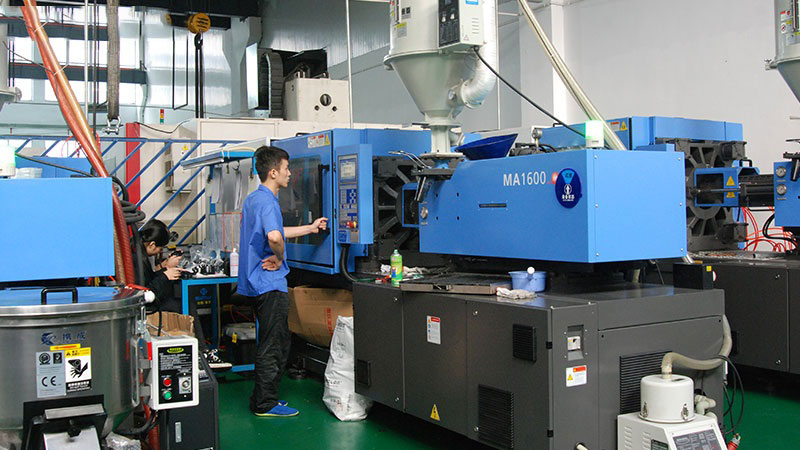
    Navigating the landscape of international manufacturing can be a daunting task, especially when your project hinges on a critical component like a custom mold. For overseas buyers, China remains the epicenter of mold manufacturing, offering unparalleled expertise, scalability, and cost efficiency. However, the journey from concept to a perfect injection mold arriving at your facility is fraught with potential pitfalls. This guide is designed to cut through the complexity. We provide a clear, actionable roadmap for 2026, focusing on practical steps to identify, vet, and collaborate with a professional China mold factory, ensuring your procurement process is smooth, transparent, and successful.

    The foundation of any successful import project is thorough supplier verification. Moving beyond a simple website check or Alibaba storefront is non-negotiable. Begin by shortlisting manufacturers that explicitly showcase experience in your industry and similar mold types. Request and scrutinize a detailed company profile, including business licenses, factory size, and years in operation. The critical next step is to conduct a virtual factory audit. Reputable suppliers will readily offer a live video tour via platforms like Zoom or Teams. During this tour, focus on their machinery—modern CNC, EDM, and precision measurement equipment are positive indicators. Observe their workshop organization and ask to see ongoing projects. Furthermore, insist on speaking directly with their engineering team. A competent China mold factory will have project managers and engineers who can discuss technical details, not just sales representatives. This direct communication tests their technical proficiency and establishes a crucial line of contact for the project duration.

    Once a potential partner is identified, the procurement phase transitions into a meticulous technical and commercial alignment. Your Request for Quotation (RFQ) package must be comprehensive. It should include not just a 3D model (STEP or IGS format), but also a detailed specification sheet covering material type (e.g., P20, H13 steel), expected lifespan (number of shots), tolerances, surface finish requirements, and part volume projections. Be prepared for a dialogue. A professional supplier will analyze your design for manufacturability (DFM) and may suggest modifications to reduce cost, improve mold flow, or enhance durability. This collaborative DFM review is a hallmark of a quality partner. Regarding the commercial proposal, dissect the quotation. It should clearly break down costs for mold design, materials, machining, testing, and shipping. Understand the payment terms—common structures like 50% deposit and 50% before shipment are standard. Crucially, confirm what is included in the mold trial: how many sample parts will be provided, and will a trial report with data (fill time, pressure, etc.) be supplied? Never base your decision on price alone; the lowest quote often leads to costly delays and quality issues downstream.

    Implementing rigorous quality control throughout the manufacturing lifecycle is your primary tool for risk mitigation. Agree on a milestone-based inspection protocol before work begins. Key inspection points typically include: after mold design completion (review 2D drawings), after core and cavity machining (using CMM reports and photos), and during the first article inspection (FAI) after the trial. For critical projects, hiring a local third-party quality inspection firm to conduct these on-site checks is a highly recommended investment. They can verify steel hardness, inspect finish, and witness the mold trial, providing an unbiased report. Furthermore, establish clear standards. Reference international mold standards or provide specific checklists. The sampling process is your final verification. When trial parts arrive, conduct a thorough dimensional and functional inspection. Use your own gauges or coordinate measuring machines (CMM) to validate critical dimensions. This phase may require several iterations of adjustments (T1, T2…), so budget time and resources accordingly. Proactive quality control, not reactive problem-solving, defines a professional procurement process.

    The final stage—logistics, IP protection, and long-term partnership—solidifies the value of your investment. Work with your China mold factory to determine the optimal shipping method (air for urgency, sea for cost). Ensure they professionally crate and protect the mold for international transit, and handle all export documentation correctly. Intellectual property protection is a valid concern. A legally binding Non-Disclosure Agreement (NDA) is essential before sharing any technical data. While enforcement can be complex, partnering with established, reputable factories significantly reduces IP risk, as their business relies on reputation. View this procurement not as a one-time transaction but as the beginning of a strategic partnership. A reliable supplier becomes an extension of your R&D and production team. They can manage mold maintenance, provide spare components, and support future design iterations. This long-term relationship, built on clear communication and mutual success, is the ultimate goal of mastering the import of a custom mold.

    Successfully importing a high-quality custom mold from China in 2026 demands a strategic, informed approach. It transcends simply finding a vendor; it is about building a collaborative partnership with a technically proficient China mold factory. By prioritizing exhaustive supplier verification, engaging deeply in the technical procurement dialogue, enforcing stringent quality control measures, and planning for the long term, you transform a complex international endeavor into a streamlined and reliable process. The goal is to secure not just a tool, but a foundation for your product’s quality, cost-effectiveness, and market success. With this guide as your framework, you are equipped to navigate the market confidently and establish a manufacturing alliance that delivers precision, value, and peace of mind for years to come.

    Work With Us

    As a professional China mold manufacturer, we provide one-stop mold solution for overseas buyers.
    📞 Phone: +86-18605944639
    💬 WhatsApp: +8618605944639
    🌐 Website: bestmoldworks.com
    📧 Email: [email protected]
  • mould manufacturers in china: Professional Buying Guide 2026

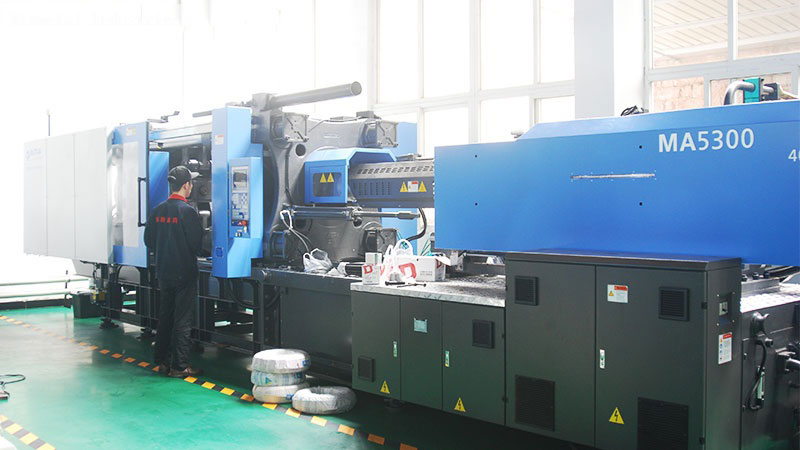
    For overseas buyers, the decision to import molds from China remains one of the most strategic moves to balance quality, innovation, and cost-effectiveness. However, the landscape of Chinese manufacturing is constantly evolving. Navigating the vast market of mould manufacturers in china requires an updated, methodical approach to mitigate risks and secure a successful partnership. This 2026 professional buying guide is designed to cut through the noise and provide you with actionable, real-world strategies for identifying, vetting, and collaborating with a top-tier China mold factory.

    The cornerstone of any successful import project begins with precise supplier verification. The era of simply browsing Alibaba and selecting the lowest bidder is over. In 2026, due diligence is non-negotiable. Start by leveraging professional B2B platforms like Made-in-China.com or Global Sources, which often feature verified suppliers. However, do not stop there. Use business verification tools to check the supplier’s official business license, registered capital, and years in operation. A critical next step is to conduct a virtual factory audit. Reputable mould manufacturers in china will readily offer live video tours of their facility. During this tour, focus on their machinery—are they using modern CNC, EDM, and milling equipment? Observe their workshop organization and in-process quality checks. Furthermore, insist on speaking directly with their project engineering team, not just a sales representative. This will give you immediate insight into their technical competency and communication style, which is vital for complex injection mold projects.

    Once a potential partner passes initial verification, the focus must shift to technical and commercial clarity. Ambiguity in the procurement phase is the primary cause of project failure. Your request for quotation (RFQ) must be exceptionally detailed. Beyond part drawings, include specifications for mold steel type (such as P20, H13, or S136), required cavity life expectancy, surface finish requirements (SPI standards), and tolerance levels. Clearly state all deliverables: are you expecting a 3D mold design for approval, DFM (Design for Manufacturability) report, sample parts from the trial, and full mold documentation? For injection mold projects, specify the intended production material, as this directly influences gate design and cooling channel layout. The quotation should break down all costs—mold fabrication, trial run fees, and logistics—separately. This transparency prevents hidden costs and ensures both parties have a congruent understanding of the project scope, setting the stage for a smooth procurement process.

    Implementing rigorous quality control from the outset is what separates successful buyers from those who encounter costly delays and defects. Your quality protocol must be contractually agreed upon before any work begins. Mandate a staged inspection plan. The first critical checkpoint is the approval of the mold design and DFM report. The second is a pre-shipment inspection during or immediately after the T1 (first trial) sample production. For this, you have several options. You can hire a trusted third-party inspection company based in China to conduct an on-site inspection, measuring critical dimensions and checking sample parts on CMMs. Alternatively, if travel is feasible, plan to be present for the trial yourself. The most progressive China mold factory partners will agree to real-time quality data sharing, such as sending inspection reports and high-resolution photos of the samples. Do not release the final payment until you have received and approved physical sample parts that meet all your specifications.

    Building a sustainable partnership with your chosen manufacturer extends beyond the first successful order. The goal is to transition from a transactional relationship to a strategic collaboration. This involves clear, consistent communication. Establish a single point of contact on both sides, but ensure you have access to the project engineer. Use collaborative tools for sharing drawings and revisions. Understand and respect cultural nuances in communication—directness is appreciated but should be coupled with professionalism. Furthermore, discuss their capacity for future work, such as mold maintenance, repair, and potential production runs of the molded parts. A reliable supplier will view the initial mold as the beginning of a long-term business relationship. They will be proactive in suggesting design improvements for cost-saving or enhanced durability, adding immense value. Regularly evaluating their performance on metrics like communication responsiveness, problem-solving ability, and adherence to timelines will help you nurture this partnership effectively.

    The journey to import molds from China in 2026 demands a blend of traditional diligence and modern verification techniques. By mastering supplier verification, insisting on technical clarity, enforcing stringent quality control, and fostering a collaborative partnership, you significantly de-risk the procurement process. The Chinese mold manufacturing sector is rich with highly capable and professional firms; the key is to have a systematic framework to find them. With this professional guide as your roadmap, you are equipped to engage with mould manufacturers in china confidently, securing not just a tool, but a competitive advantage for your business. Start your search with precision, communicate with clarity, and build your supply chain on a foundation of verified quality and mutual respect.

    Work With Us

    As a professional China mold manufacturer, we provide one-stop mold solution for overseas buyers.
    📞 Phone: +86-18605944639
    💬 WhatsApp: +8618605944639
    🌐 Website: bestmoldworks.com
    📧 Email: [email protected]
  • Custom molds for candles: Complete Procurement Guide 2026

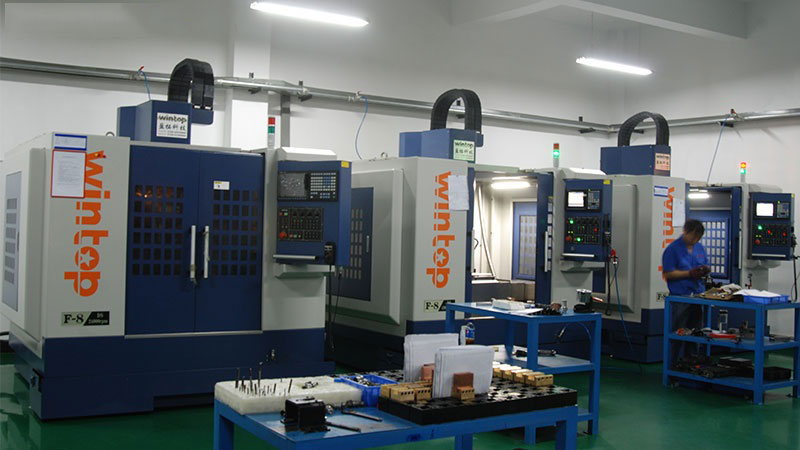
    For overseas buyers and brands, the allure of creating unique, market-differentiating candle products is powerful. The key to unlocking this potential lies in the precision and creativity of your tooling. Sourcing custom molds for candles from China remains a strategically sound decision, offering unparalleled expertise and cost-effectiveness. However, the landscape is evolving, and a successful procurement journey requires a modern, diligent approach. This complete procurement guide for 2026 is designed to navigate you through the critical steps, from initial concept to consistent production, ensuring you partner with the right China mold factory and mitigate common risks.

    The journey begins long before you request a quotation. Precise definition is paramount. Start by consolidating your design requirements. This includes detailed CAD drawings or 3D models specifying every dimension, angle, and texture. For candles, consider draft angles for easy release, material shrinkage rates for the specific wax or gel you will use, and venting requirements to avoid air traps. Clearly define the expected production volume, as this directly influences the mold material choice—such as pre-hardened steel for medium runs or hardened steel for high-volume durability. Establishing these specifications upfront not only accelerates the process but also forms the baseline for all subsequent communications and quality control checks with your potential supplier.

    Identifying a competent partner is the most crucial step. Moving beyond simple online directories, 2026 demands a multi-faceted verification process. Begin by shortlisting specialized China mold factories with proven portfolios in candle or similar consumer product molds. Scrutinize their technical capability to handle the specific type of tooling you need, whether it’s a complex injection mold for plastic candle containers or intricate silicone molds for detailed wax figures. Initiate video calls to tour their facility virtually, assessing their machinery, workshop organization, and engineering team. Insist on contacting at least two existing overseas clients for unbiased references. This stage of thorough supplier verification separates true manufacturing partners from mere trading intermediaries, safeguarding your investment.

    With a qualified manufacturer shortlisted, mastering the commercial and technical negotiation is key. Request a detailed breakdown of costs, including mold design, materials, machining, finishing, and sampling. Understand the payment terms—typically a staggered schedule like 50% upfront, 40% after first article approval, and 10% upon completion. Crucially, negotiate the terms for mold ownership and storage. Ensure the contract explicitly states that you retain full intellectual property and physical ownership of the custom molds for candles. Discuss and agree on sampling protocols; expect to pay for sample materials and labor, but a professional factory will provide initial samples for your approval before mass production. Clarify lead times and build in buffers for revisions.

    Rigorous quality control is non-negotiable and must be integrated throughout the process. Do not wait until shipment to inspect. Implement a staged QC plan. First, conduct a Data Check on the finished mold cavity using Coordinate Measuring Machine (CMM) reports to verify dimensions against your original drawings. Next, approve initial samples from the mold, checking for fidelity, finish, seam lines, and functionality with your actual wax. For ongoing production, especially if you are procuring the molded parts (like containers) directly, consider hiring a local third-party inspection agency to perform During Production Inspection (DPI) or Final Random Inspection (FRI) to check consistency, color, and integrity before shipment. This proactive approach to quality control prevents costly defects from reaching your market.

    Finalizing the procurement involves securing your asset and planning for the future. Prior to shipment, obtain high-resolution photos and videos of the finished molds as part of your documentation. Decide on logistics: will the molds be shipped to you for safekeeping or remain at the factory for production? If they remain, have a clear, signed agreement covering storage fees, maintenance responsibility, and production scheduling priority. For molds shipped to you, ensure they are professionally crated. Finally, view this as the start of a long-term relationship. A reliable partner will support you with mold maintenance, modifications for future product lines, and consistent production quality, making the initial diligent procurement a recurring advantage.

    In conclusion, procuring custom molds for candles from China in 2026 is a process built on clarity, verification, and active management. By defining precise specifications, conducting exhaustive supplier verification, negotiating comprehensive terms, enforcing staged quality control, and securing your tooling assets, you transform a complex overseas procurement into a strategic business advantage. The goal is to establish a partnership with a China mold factory that delivers not just a tool, but quality, consistency, and innovation, enabling your brand to shine in a competitive global marketplace.

    Work With Us

    As a professional China mold manufacturer, we provide one-stop mold solution for overseas buyers.
    📞 Phone: +86-18605944639
    💬 WhatsApp: +8618605944639
    🌐 Website: bestmoldworks.com
    📧 Email: [email protected]
  • high quality mold: Complete Procurement Guide 2026

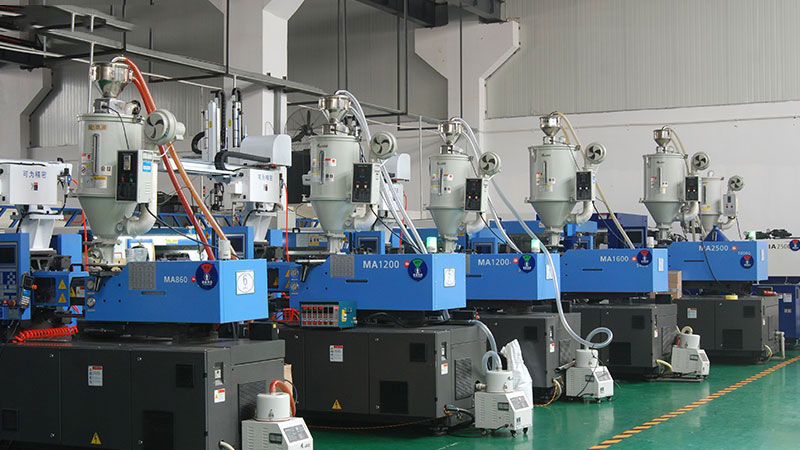
    For overseas buyers, the decision to import molds from China represents a significant strategic advantage, offering unparalleled value and manufacturing scale. However, the path to securing a truly high quality mold is often obscured by concerns over communication, consistency, and hidden costs. This guide is designed to cut through the uncertainty. We provide a clear, actionable framework for 2026, empowering you to navigate the Chinese manufacturing landscape with confidence and procure durable, precision tooling that meets your exact specifications and production timelines.

    The journey to a successful procurement begins long before a request for quotation is sent. It starts with meticulous supplier verification, a process that separates reputable partners from problematic ones. In 2026, due diligence goes beyond a simple website check. Begin by verifying the China mold factory’s business license via official Chinese platforms. Scrutinize their portfolio for projects similar in complexity, material, and industry to yours. Utilize video conferencing to request live factory tours, paying close attention to their machine park—look for modern CNC, EDM, and precision grinding equipment. Crucially, ask for and contact past overseas clients. A supplier confident in their ability to deliver a high quality mold will provide these references. This foundational step mitigates the largest risk in your procurement process.

    With a shortlist of verified suppliers, your focus must shift to the technical and commercial blueprint: the request for quotation and project specification. Ambiguity here is the primary cause of cost overruns and quality disputes. Provide exhaustive documentation, including fully detailed 3D part files, 2D drawings with GD&T tolerances, material specifications for both the mold and the intended plastic, and expected production volume. Clearly state your requirements for mold life, cooling time, and cycle time. For injection mold projects, specify the gate type, ejection method, and surface finish requirements. Demand a comprehensive quotation that breaks down all costs—mold base, cavity and core machining, hot runner system, fittings, and any ancillary costs like T1 sample shipping. A professional supplier will ask clarifying questions, demonstrating their engagement and technical expertise.

    The cornerstone of securing a reliable high quality mold is a robust, multi-stage quality control protocol integrated directly into the contract. Do not leave inspection as an afterthought. Define and agree upon Critical Control Points throughout the manufacturing process. These typically include: a pre-production meeting to review mold flow analysis, a first article inspection after the mold base is procured, a thorough inspection before the mold trial, and a final pre-shipment audit. The mold trial is non-negotiable. Insist on attending it virtually or in person. During the trial, the supplier should produce samples, measure them against your drawings, and provide a detailed report with photos and CMM data. This phase validates the mold’s functionality and the part’s dimensional accuracy, allowing for corrections before shipment. This proactive quality control approach is your most powerful tool for risk mitigation.

    Effective project management and clear contractual safeguards are what transform a good procurement into a great one. Designate a single point of contact on both sides to streamline communication. Use project management tools to track milestones like design approval, steel purchase, and T1 date. Your contract must be explicit. It should cover payment terms linked to milestones, intellectual property ownership, warranty period and coverage for repairs or wear, and liability clauses. Specifically address what happens if the mold fails to produce acceptable samples or requires rework after delivery. In 2026, leading buyers also consider the supplier’s capability for ongoing support, such as providing spare components or managing mold maintenance. A well-managed project with a solid contract ensures the partnership continues smoothly long after the initial procurement is complete.

    The final step encompasses logistics, payment, and fostering a long-term partnership. Understand the Incoterms you agree upon; FOB is common, but clarify responsibilities for domestic Chinese freight and port charges. Arrange for mold insurance during transit. For payment, a secure escrow service or a structured milestone plan (e.g., 30% deposit, 40% after T1 approval, 30% before shipment) offers protection. Upon receipt, conduct your own audit or hire a local third-party inspector to verify the mold against the agreed specifications. Finally, view this procurement not as a transaction but as the beginning of a strategic relationship. A reliable China mold factory that understands your quality standards is an invaluable asset for future projects, product iterations, and scaling production efficiently.

    Successfully importing a high quality mold from China in 2026 is a systematic process of verification, specification, control, and management. By meticulously vetting your China mold factory, providing crystal-clear specifications, enforcing rigorous quality control checkpoints, and managing the project with professional contracts, you transform geographical distance and cultural differences from liabilities into competitive advantages. The result is more than just a tool; it is a foundation for manufacturing excellence, cost efficiency, and product reliability that will serve your business for years to come. Begin your procurement journey with this disciplined approach, and you will confidently unlock the world-class value that Chinese mold manufacturing offers.

    Work With Us

    As a professional China mold manufacturer, we provide one-stop mold solution for overseas buyers.
    📞 Phone: +86-18605944639
    💬 WhatsApp: +8618605944639
    🌐 Website: bestmoldworks.com
    📧 Email: [email protected]

  • mold manufacturers near me: Complete Procurement Guide 2026

    For overseas buyers, the search for “mold manufacturers near me” often leads to a frustrating realization: the most competitive capabilities, especially for complex injection molds, are not geographically close. Instead, they are concentrated in specialized industrial hubs in China. This guide for 2026 moves beyond local searches to provide a strategic, actionable framework for successfully procuring high-quality molds from Chinese suppliers. We will solve the real problems of distance, communication, and quality assurance, turning global sourcing into your competitive advantage.

    **Reframing Your Search: From Geographic to Strategic Procurement**

    The first step is to shift your mindset. In 2026, “near me” is less about physical proximity and more about logistical and communicative closeness. Your goal is to find a China mold factory that acts as a seamless extension of your operations. This begins with precise internal specifications. Before contacting any supplier, develop comprehensive documentation for your mold. This should include detailed 3D part files (STEP or IGES), material specifications, expected annual volumes, cycle time targets, and tolerance requirements. This clarity prevents misunderstandings and allows for accurate comparisons between potential partners. It transforms your procurement process from a vague inquiry into a professional request for quotation, immediately aligning you with more capable manufacturers.

    **Supplier Verification: Due Diligence in the Digital Age**

    Finding a list of potential China mold factories is easy; verifying their credibility is the critical step. In 2026, due diligence is multi-faceted. Start with a deep dive into their digital footprint: an informative, professional website with technical blogs and case studies is a positive indicator. Utilize platforms like Made-in-China.com or Alibaba.com, but prioritize suppliers with verified assessments and, crucially, genuine client reviews. However, go further. Request a virtual factory tour via video call—a standard practice among reputable suppliers. This allows you to assess their machinery (e.g., CNC, EDM, CMM), workshop organization, and engineering team. Always ask for and contact references from past overseas clients, specifically those in your region or industry. This verification phase is your primary defense against risk.

    **Navigating Quotations and Technical Alignment**

    Receiving a quotation is more than a price point; it’s a technical document. A professional China mold factory will provide a detailed breakdown that includes mold base material, cavity and core steel grade, hot runner system brand (if applicable), cooling layout, estimated lead time, and payment terms. Beware of abnormally low quotes; they often signal the use of inferior materials or poor craftsmanship that will cost you more in repairs, downtime, and mold life. During this phase, insist on a formal design review meeting. A competent supplier will assign a project engineer to discuss part design for manufacturability (DFM) and mold flow analysis. This collaborative step is invaluable for optimizing your design, preventing costly mold modifications later, and ensuring the injection mold performs as expected.

    **Implementing Robust Quality Control and Communication Protocols**

    This is the cornerstone of successful overseas procurement. Do not assume quality; inspect it at defined milestones. Mandate a First Article Inspection (FAI) report with dimensional results from the finished mold. For critical components, engage a third-party quality inspection service in China for pre-shipment audits. They can check mold hardness, cavity polish, part dimensions from trial shots, and assembly functionality. Simultaneously, establish a rigid communication protocol. Demand a single point of contact—a project manager fluent in English. Use shared cloud folders for all drawings and updates. Schedule weekly update calls with video and photo evidence of progress. This structured approach creates visibility and “closeness,” effectively making your supplier feel like they are “mold manufacturers near me” through disciplined process management.

    **Managing Logistics, IP Protection, and Long-Term Partnership**

    Finalize your procurement with a clear legal and logistical framework. Ensure your purchase order and proforma invoice explicitly state ownership of all design IP and tooling. While physical mold custody often remains with the factory for production, contracts should stipulate your rights. For logistics, decide on Incoterms (FOB is common) and partner with a reliable freight forwarder experienced in handling模具 (molds). Plan for the mold trial process: will you receive sample parts for approval before mass production begins? Finally, view successful procurement as the start of a partnership. A reliable supplier becomes an asset for future projects, design iterations, and maintenance. Building this relationship based on transparency and mutual success is the ultimate goal of your 2026 strategy.

    **Conclusion**

    The search for “mold manufacturers near me” in 2026 is a strategic global procurement operation. By reframing your approach, conducting thorough supplier verification, analyzing quotations technically, enforcing rigorous quality control, and managing logistics with care, you can confidently source injection molds from China. This guide provides the actionable steps to mitigate risks and capitalize on the expertise and value offered by specialized China mold factories. The distance is geographical, but with the right processes, your manufacturing partnership can be seamless, reliable, and highly competitive. Begin your next project not with a local search, but with this comprehensive procurement blueprint.

    Work With Us

    As a professional China mold manufacturer, we provide one-stop mold solution for overseas buyers.
    📞 Phone: +86-18605944639
    💬 WhatsApp: +8618605944639
    🌐 Website: bestmoldworks.com
    📧 Email: [email protected]

  • Custom molds for resin: Expert Tips & Solutions 2026

    For overseas buyers and creative businesses, the allure of sourcing custom molds for resin from China is clear: unparalleled cost-effectiveness, extensive manufacturing expertise, and the ability to scale production rapidly. However, the path to a perfect, high-quality mold is fraught with potential pitfalls, from communication gaps to quality inconsistencies. As we look toward 2026, the landscape is becoming more sophisticated, demanding smarter procurement strategies. This guide provides expert tips and actionable solutions to navigate the process successfully, ensuring you partner with the right China mold factory and receive molds that bring your resin art, jewelry, or industrial designs to life with precision.

    Mastering Supplier Verification and Selection

    The foundation of a successful import project is a verified, competent supplier. Moving beyond a simple Alibaba search is crucial for 2026. Start by identifying manufacturers that explicitly showcase experience with resin products or similar low-pressure casting applications, not just general injection mold expertise. Scrutinize their portfolio for molds with fine details, undercuts, and smooth finishes—hallmarks of quality resin casting molds. Essential verification steps include requesting a business license (to confirm factory vs. trading company status), asking for detailed client references, and initiating a video call for a virtual factory tour. This real-time view assesses their machinery, workshop organization, and engineering team, providing insights no brochure can. Prioritize suppliers who ask detailed questions about your resin type (epoxy, polyurethane), intended use, expected production volume, and desired mold life (number of casts). A proactive, question-asking partner is often a reliable one.

    Navigating Design Communication and Prototyping

    A critical phase where projects falter is the translation of your idea into a technical mold design. To solve this, provide your chosen China mold factory with the most comprehensive data possible. While a sketch is a start, a 3D CAD file (e.g., STEP or IGS format) is the 2026 gold standard, eliminating ambiguity. Clearly specify all critical dimensions, tolerances, and surface finish requirements (e.g., SPI A-1 mirror finish). Discuss and agree on the mold material upfront—typically silicone for flexible molds or aluminum/steel for rigid, high-volume master patterns. Insist on a Design for Manufacturability (DFM) review, where their engineers suggest modifications to improve mold flow, ease of demolding, and longevity. Furthermore, never skip the prototyping stage. Order a T1 sample mold and cast test pieces using your actual resin. This step, though incurring additional cost and time, is non-negotible for verifying fit, function, and final appearance before full production tooling commences.

    Implementing Rigorous Quality Control Protocols

    Quality control cannot be an afterthought; it must be integrated into your procurement contract. Define clear, measurable quality standards for your custom molds for resin. This includes criteria for dimensional accuracy (verified with CMM reports if critical), surface finish (no blemishes, pits, or machining marks), and structural integrity (no flash, proper venting, and adequate rigidity). For overseas buyers, third-party inspection services are a powerful 2026 solution. Hire an independent QC inspector to conduct an Initial Production Check (IPC) when the first molds are off the machine, and a Pre-Shipment Inspection (PSI) before they are packed. The inspector will check against your approved sample and specifications, providing a detailed report with photographs. This objective checkpoint prevents costly surprises upon receipt and empowers you to request corrections while the mold is still at the factory, protecting your investment.

    Streamlining Logistics and Building Partnership

    Finalizing the mold is half the journey; getting it to your door safely and efficiently is the other. Work with your supplier to determine the optimal shipping method—air freight for speed on a single prototype mold, or sea freight for cost-effectiveness on multiple tools. Ensure they provide professional export packaging, with the mold securely crated and protected from moisture and impact. All documentation, including a detailed commercial invoice, packing list, and certificate of origin, must be accurate to avoid customs delays. Beyond the single transaction, view this process as building a long-term partnership. A reliable supplier for your custom molds for resin becomes an extension of your R&D team. Provide clear feedback, settle payments promptly as per agreed milestones, and foster transparent communication. This relationship is invaluable for future iterations, new designs, and scaling your production with confidence through 2026 and beyond.

    Conclusion

    Importing custom molds for resin from China in 2026 is a strategic endeavor that rewards diligence, clear communication, and proactive quality management. By mastering supplier verification, investing in precise design communication, enforcing rigorous quality control, and planning logistics with care, overseas buyers can transform the perceived risks into a formidable competitive advantage. The goal is to move from being just an international client to becoming a valued partner to a proficient China mold factory. With these expert tips and solutions, you are equipped to navigate the procurement landscape, secure high-quality tools that meet your exact specifications, and ultimately, unlock the creative and commercial potential of your resin-based products in the global marketplace.

    Work With Us

    As a professional China mold manufacturer, we provide one-stop mold solution for overseas buyers.
    📞 Phone: +86-18605944639
    💬 WhatsApp: +8618605944639
    🌐 Website: bestmoldworks.com
    📧 Email: [email protected]

  • Custom silicone Mold manufacturer: Expert Tips & Soluti 2026

    For overseas businesses, from startups to established brands, sourcing custom silicone molds represents a significant opportunity to enhance product offerings and control costs. China remains the global epicenter for precision mold manufacturing, offering unparalleled expertise and scalability. However, navigating this complex landscape requires more than just finding a low price. It demands a strategic approach to procurement, supplier verification, and quality control. This guide provides expert tips and forward-looking solutions for 2026, designed to help you secure a reliable partnership with a top-tier custom silicone mold manufacturer and ensure your project’s success from concept to production.

    Mastering Supplier Verification and Vetting

    The foundation of a successful import project is a thoroughly vetted supplier. Moving beyond Alibaba listings is crucial. Begin by identifying a China mold factory with a proven portfolio in silicone or similar soft materials like TPE or rubber. Request detailed case studies and client references, preferably from companies in your region. Utilize video calls to conduct virtual factory tours; observe the workshop organization, machinery, and cleanliness. A professional custom silicone mold manufacturer will readily provide this. In 2026, leverage digital verification tools. Check business licenses through official Chinese platforms and use professional networks to seek unbiased reviews. Crucially, verify their expertise in silicone-specific processes, such as Liquid Silicone Rubber (LSR) injection molding or compression molding, as these differ significantly from standard plastic injection mold processes. This due diligence mitigates your foremost risk.

    Defining Specifications and Ensuring Technical Alignment

    Ambiguity is the primary cause of cost overruns and quality disputes. Your technical data package must be impeccable. Beyond providing 3D CAD files (STEP or IGS format), include a comprehensive specification document. This should detail the silicone material grade (FDA, medical, food-grade, flame-retardant), Shore hardness, color requirements, and critical tolerances. Clearly outline part function, gate location preferences, and any cosmetic requirements for surfaces. Discuss mold life expectancy—will you need 10,000 shots or 100,000? This directly impacts the mold steel quality and cost. Engage in deep technical discussions with your potential supplier’s engineering team. Their ability to offer Design for Manufacturability (DFM) feedback is a key indicator of competence. A proficient China mold factory will suggest optimizations for draft angles, wall thickness uniformity, and ejection strategies to improve yield and cycle time, saving you money long-term.

    Structuring Contracts and Managing Financial Logistics

    A clear contract protects both parties and sets the project trajectory. Ensure your agreement explicitly covers: 1) Total project cost broken into mold cost and piece-part price, 2) A detailed payment schedule (e.g., 30% deposit, 40% after mold trial, 30% before shipment), 3) Intellectual Property (IP) ownership clauses stating all design and tooling rights belong to you, 4) A defined number of free mold revisions and the cost of subsequent changes, and 5) Delivery timelines with milestones. For financial transactions, use secure methods like bank transfers (TT) with clear terms. Consider escrow services for initial orders. In 2026, be aware of evolving international trade regulations and tariffs specific to your country. A reliable partner will assist with commercial invoice preparation and standard shipping documentation (packing list, certificate of origin), but understanding your own import liabilities is essential for smooth customs clearance.

    Implementing Rigorous Pre-Shipment Quality Control

    Never let your first physical inspection occur after the molds have arrived at your facility. Implementing staged quality control is non-negotiable. Require and review First Article Inspection (FAI) reports after the initial mold trials. This should include dimensional inspection data (CMM reports) of the produced silicone parts against your drawings. Insist on high-resolution photos and videos of the finished mold and sample parts. For ultimate assurance, engage a local third-party quality control agency to conduct an on-site Pre-Shipment Inspection (PSI) at the China mold factory. The inspector will verify workmanship, test sample parts, and check packaging. This step, though an added cost, is invaluable for catching issues while the supplier is still contractually obligated to rectify them. It transforms quality from a promise into a verified deliverable.

    Building a Partnership for Long-Term Success

    View your chosen custom silicone mold manufacturer not as a one-time vendor, but as a strategic extension of your production team. Clear and consistent communication is vital. Establish primary and secondary contacts for technical and commercial discussions. Use collaborative project management tools to track progress. A forward-thinking supplier will appreciate this professionalism. Discuss their capacity for mold maintenance, repair, and future modifications. As you plan for 2026 and beyond, a strong partnership ensures scalability for new product lines and provides a competitive edge through collaborative innovation and reliable supply chain continuity.

    Conclusion

    Importing custom silicone molds from China in 2026 is a strategic endeavor that balances significant opportunity with manageable risk. The process hinges on meticulous supplier verification, crystal-clear technical communication, watertight contracts, and uncompromising quality control. By following these expert tips, you transform the procurement journey from a daunting challenge into a structured, successful partnership. The goal is to identify a China mold factory that demonstrates not only technical mastery in silicone and injection mold processes but also the professionalism and transparency required for a lasting international business relationship. With this approach, you secure not just a tool, but a foundation for product quality and market success for years to come.

    Work With Us

    As a professional China mold manufacturer, we provide one-stop mold solution for overseas buyers.
    📞 Phone: +86-18605944639
    💬 WhatsApp: +8618605944639
    🌐 Website: bestmoldworks.com
    📧 Email: [email protected]

  • mold factory near me: Expert Tips & Solutions 2026

    For overseas buyers, the search for a reliable “mold factory near me” often leads to a global marketplace, with China standing as the predominant hub for precision tooling. However, the geographical and cultural distance can transform procurement into a complex challenge. The key to success lies not in finding a factory physically close to you, but in leveraging strategies that make a reputable China mold factory feel accessible, transparent, and reliable. This guide provides expert, actionable solutions for 2026, designed to help you navigate the intricacies of importing injection molds with confidence and control.

    The fundamental shift in mindset for 2026 is to redefine “near me.” In the context of global manufacturing, proximity is no longer just about geography; it’s about communication efficiency, process transparency, and logistical integration. Your goal is to create virtual closeness with your chosen supplier. This begins with a sophisticated online verification process. Move beyond a factory’s self-published website. Utilize professional B2B platforms like Alibaba, Made-in-China, or Global Sources, but scrutinize them with a critical eye. Look for suppliers with long-standing Gold Supplier status, on-site check certificates, and, most importantly, actively request and conduct video audits. A real-time walkthrough of the facility, showcasing CNC machines, EDM centers, and CMM inspection rooms, is worth infinitely more than a glossy brochure. This is your first and most crucial step in supplier verification.

    Once you have shortlisted potential partners, the next solution is to master the technical and commercial dialogue. For injection mold procurement, ambiguity is your greatest enemy. Develop a comprehensive Request for Quotation (RFQ) package that leaves no room for assumption. This must include detailed 3D part files (STEP or IGS), 2D drawings with critical tolerances and surface finish requirements (SPI standards), material specifications for both the mold and the final product, and expected production volumes. Clearly state your requirements for mold flow analysis reports before manufacturing begins. A professional China mold factory will welcome this detail and respond with a structured breakdown of cost, timeline, and design-for-manufacturability feedback. This collaborative approach filters out less capable suppliers and aligns expectations from the outset.

    The third pillar of a successful partnership is implementing a staged quality control protocol. Do not wait until the final inspection to discover issues. Insist on a milestone-based payment and inspection schedule tied to key phases of the mold build. Critical checkpoints include: after mold design review, after rough machining, after heat treatment, after electrical discharge machining (EDM) for textures, and finally, the Trial Run Report (TWR) with sample parts. For each stage, demand high-resolution photos and videos. For the TWR, it is advisable to engage a trusted third-party quality control agency located near the factory to perform an on-site First Article Inspection (FAI). They can measure sample parts on a CMM, verify cavity dimensions, and assess part functionality. This proactive quality control strategy mitigates risk and ensures the mold meets your specifications before it ever leaves the factory floor.

    Finally, address logistics and intellectual property (IP) protection with foresight. Work with your chosen mold factory to understand Incoterms 2026 thoroughly. For high-value tooling, FOB (Free On Board) is often recommended, giving you control over the main shipping leg and insurance. Ensure the factory provides a professional packing list, commercial invoice, and arranges safe, wooden-crate packaging for the mold. Regarding IP, a well-drafted Non-Disclosure Agreement (NDA) and a product confidentiality agreement are essential. While legal enforcement across borders can be complex, these documents establish serious intent. Reputable factories value long-term relationships over short-term gains and will respect these protocols. Consider registering your design in China if the volume justifies it, as an additional layer of protection.

    In conclusion, finding the right partner for your injection mold needs in 2026 is a deliberate process that transcends physical location. By redefining proximity through technology, engaging in detailed technical communication, enforcing staged quality inspections, and securing your logistics and IP, you effectively bring a trustworthy mold factory near you in every aspect that matters. The initial investment of time in thorough supplier verification and process setup is the most effective cost-saving and risk-mitigation strategy you can employ. Start your next project with these expert solutions, and transform the challenge of overseas procurement into a competitive advantage for your business.

    Work With Us

    As a professional China mold manufacturer, we provide one-stop mold solution for overseas buyers.
    📞 Phone: +86-18605944639
    💬 WhatsApp: +8618605944639
    🌐 Website: bestmoldworks.com
    📧 Email: [email protected]

  • how to make custom plastic molds: Professional Buying 2026

    For overseas buyers and product developers, mastering the process of how to make custom plastic molds is a critical step in bringing innovative designs to market efficiently and cost-effectively. China remains the global epicenter for mold manufacturing, offering unparalleled expertise, scalability, and value. However, the landscape in 2026 demands a more sophisticated, professional approach to procurement than ever before. This guide cuts through the noise to provide a strategic, actionable framework for partnering with Chinese mold factories successfully, ensuring you secure high-quality injection molds that meet precise specifications, timelines, and budgetary constraints.

    The cornerstone of a successful project lies in meticulous preparation before you ever contact a supplier. A professional procurement journey begins with your own internal clarity. Develop comprehensive and unambiguous technical documentation. This package should include detailed 3D CAD files (STEP or IGS formats are preferred), fully dimensioned 2D drawings with critical tolerances explicitly called out, and a thorough product specification sheet. This sheet must detail the intended plastic material, expected annual volumes, cosmetic requirements (e.g., texture, gloss level), and part function. Investing time here eliminates ambiguity, prevents costly revisions, and allows China mold factories to provide accurate and comparable quotations. It signals that you are a serious, professional partner, which in turn attracts higher-quality suppliers.

    With your documentation ready, the next phase is rigorous supplier verification. In 2026, simply browsing Alibaba listings is insufficient for custom, precision tooling. A professional approach involves a multi-layered vetting process. Start by identifying factories with demonstrable experience in your specific industry, whether it’s automotive components, medical devices, or consumer electronics. Scrutinize their portfolio for projects of similar complexity. The critical step is to conduct a virtual or, ideally, in-person factory audit. Request a live video tour of their facility; observe their machinery (look for modern CNC, EDM, and injection molding machines), their workshop organization, and their quality control lab. Verify business licenses and ask for references from existing overseas clients. This due diligence in supplier verification separates true manufacturing partners from mere trading companies, mitigating significant project risk.

    The quotation and negotiation stage is where professional buyers demonstrate their acumen. When you receive quotes for your custom plastic molds, look beyond the bottom-line price. A professional breakdown should itemize costs for mold design, mold base, cavity and core machining, slider/undercut mechanisms, surface treatment, and trial shots. Be wary of suspiciously low bids; they often indicate the use of inferior steel, outdated machining techniques, or hidden costs that will appear later. Discuss payment terms strategically; a common and balanced structure for 2026 might be 40% deposit, 50% upon approval of mold trial samples, and 10% after final delivery. Clearly define the project timeline with milestones for design review, T1 sample delivery, and approval gates. This clarity protects both parties and sets the stage for a transparent partnership.

    Once the contract is signed, proactive and structured quality control becomes the most important factor in the process of how to make custom plastic molds. Do not adopt a “set and forget” mentality. Insist on regular progress updates with photos and videos at key stages: after mold base procurement, after CNC machining, after EDM, and after assembly. The most critical checkpoint is the First Article Inspection (FAI) from the initial mold trial (T1). You should receive detailed trial shot reports alongside physical samples. These reports should document key process parameters and include dimensional measurement results. It is highly advisable to partner with a trusted third-party quality inspection firm in China to conduct an on-site inspection during the T1 sample stage. They can verify dimensions, check for defects like sink marks or weld lines, and assess the mold’s performance against your specifications before final approval and balance payment.

    Effective communication and project management will define your success in the 2026 sourcing environment. Overcome language and time zone barriers by appointing a single, technically proficient point of contact on both sides. Utilize clear visual communication—annotated screenshots and video calls are invaluable for resolving technical queries. Plan for and anticipate design for manufacturability (DFM) feedback from the mold factory; their engineers often provide suggestions that can simplify the mold structure, reduce cost, and improve part quality. Embrace this collaborative feedback. Furthermore, discuss post-sales support upfront. A reliable supplier will offer a clear mold warranty, typically covering workmanship and materials for a specified period or number of shots, and should be willing to provide maintenance guidance or modification services.

    Successfully navigating the procurement of a custom injection mold from China in 2026 is a disciplined, professional process that rewards preparation and active partnership. It transcends mere price shopping and evolves into a strategic collaboration with a verified expert manufacturer. By mastering the steps from precise documentation and rigorous supplier verification to vigilant quality control and clear communication, you transform the challenge of how to make custom plastic molds into a competitive advantage. This professional buying approach ensures you receive a high-precision tool that not only produces your parts flawlessly but also delivers long-term reliability, securing your product’s quality and your company’s reputation in the global marketplace.

    Work With Us

    As a professional China mold manufacturer, we provide one-stop mold solution for overseas buyers.
    📞 Phone: +86-18605944639
    💬 WhatsApp: +8618605944639
    🌐 Website: bestmoldworks.com
    📧 Email: [email protected]

  • injection molding manufacturer in china: Best Suppliers 2026

    For overseas buyers, sourcing from an injection molding manufacturer in China represents a significant strategic advantage, offering unparalleled cost efficiency, advanced manufacturing capabilities, and scalable production. However, the path to a successful partnership is paved with critical decisions regarding supplier selection, verification, and quality management. As we look toward 2026, the landscape is evolving, with the best suppliers distinguishing themselves through technological integration, transparency, and robust project management. This guide provides actionable, real-world strategies to navigate this complex market and forge partnerships that deliver long-term value and reliability.

    The cornerstone of successful procurement begins with meticulous supplier verification, moving far beyond a simple website review. The most reliable China mold factory invests in a visible digital footprint that showcases its real capabilities. Start by examining detailed case studies and video walkthroughs of their facility; a reputable supplier will proudly display their shop floor, machinery brands (such as Haitian or Engel injection molding machines), and cleanroom environments. Utilize third-party verification platforms for business license checks and delve into supplier history. Crucially, initiate direct communication via video call. Insist on a real-time virtual tour where you can meet the engineering team, see active projects, and assess the factory’s organization firsthand. This step filters out trading companies masquerading as manufacturers and aligns you with genuine production partners.

    Once a shortlist is established, shifting the focus to technical and procedural competence is vital. The design and prototyping phase is where a superior injection mold supplier proves its worth. Engage in a detailed technical discussion about your part design, material selection, and intended application. A competent partner will offer Design for Manufacturability (DFM) analysis proactively, suggesting modifications to improve mold flow, reduce cycle time, and enhance part longevity. Evaluate their tooling standards: do they use premium mold steels like ASSAB or DIN standards? What is their approach to cooling channels and surface finishes? Furthermore, clarify their project management protocol. A dedicated project manager fluent in English and a clear, milestone-driven schedule (from design approval to T1 sample) are non-negotiable indicators of a professional operation capable of handling overseas clients efficiently.

    Implementing a rigorous, multi-stage quality control framework is non-negotiable for mitigating risk. The best injection molding manufacturer in china will have a documented Quality Control (QC) process that you can audit. This begins with First Article Inspection (FAI) using Coordinate Measuring Machines (CMM) to validate the initial samples against your 3D drawings. Demand comprehensive inspection reports with photographic evidence. For production runs, specify your acceptable quality level (AQL) and ensure the supplier conducts periodic dimensional checks and material certification reviews. For ultimate assurance, engage a trusted third-party inspection service based in China for critical Pre-Shipment Inspections (PSI). This independent verification at the factory, before goods are shipped, provides an objective assessment of the entire order’s quality, packaging, and compliance, serving as your final safeguard.

    Understanding the total cost of ownership and fostering strategic communication are what transform a transaction into a partnership. While unit price is important, the most cost-effective supplier provides transparency in their quoting. A detailed breakdown should include mold cost (with steel grade and cavity details), piece-part price, and any setup or tooling maintenance fees. Discuss payment terms that balance risk; a common structure like 50% deposit, 40% upon sample approval, and 10% before shipment is standard. Cultivate clear communication channels. Regular, scheduled updates via platforms like email or Microsoft Teams prevent misunderstandings. Finally, view your chosen China mold factory as a long-term strategic asset. Discuss their capacity for future design iterations, mold storage, and their ability to scale production with your business growth into 2026 and beyond.

    Identifying the best injection molding suppliers for your 2026 projects requires a disciplined, process-oriented approach. It transcends simply finding the lowest quote and instead focuses on verifying manufacturing legitimacy, assessing deep technical expertise, enforcing stringent quality control protocols, and building transparent, communicative relationships. By investing time in thorough supplier verification, engaging deeply on technical fronts, implementing layered quality checks, and negotiating with full cost visibility, overseas buyers can confidently partner with top-tier Chinese manufacturers. This strategic methodology minimizes procurement risks and unlocks the full potential of China’s manufacturing prowess, ensuring a reliable stream of high-quality injection molded components that support competitive advantage and business growth for years to come.

    Work With Us

    As a professional China mold manufacturer, we provide one-stop mold solution for overseas buyers.
    📞 Phone: +86-18605944639
    💬 WhatsApp: +8618605944639
    🌐 Website: bestmoldworks.com
    📧 Email: [email protected]