For global businesses, from ambitious startups to established OEMs, sourcing tooling from China remains a strategic move to balance quality, innovation, and cost. The landscape of mold manufacturers in China is vast and varied, offering unparalleled capability but also presenting a complex navigation challenge. This professional guide for 2026 cuts through the noise to provide overseas buyers with a structured, actionable framework for successful procurement. We move beyond simple directory listings to solve the real problems you face in supplier verification, communication, quality assurance, and logistics.
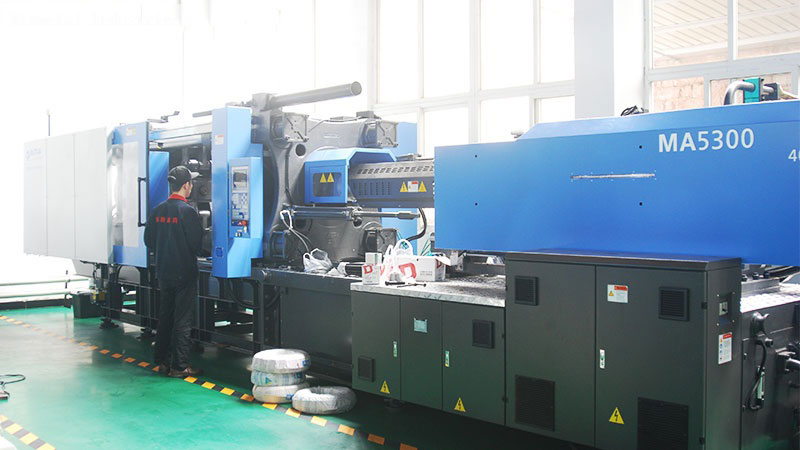
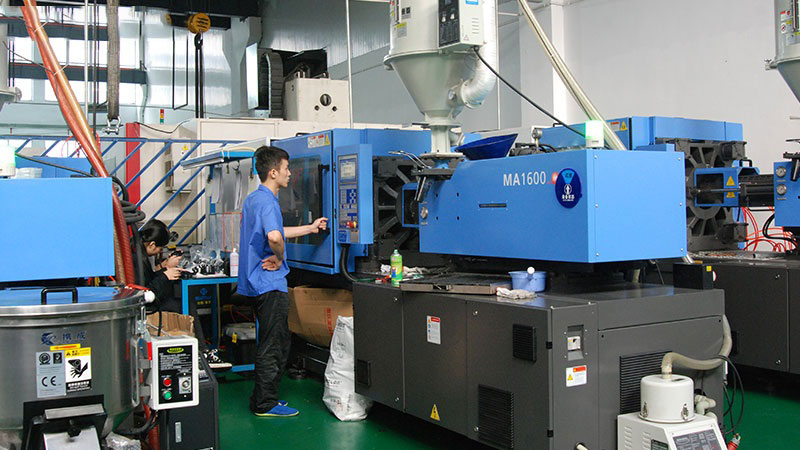
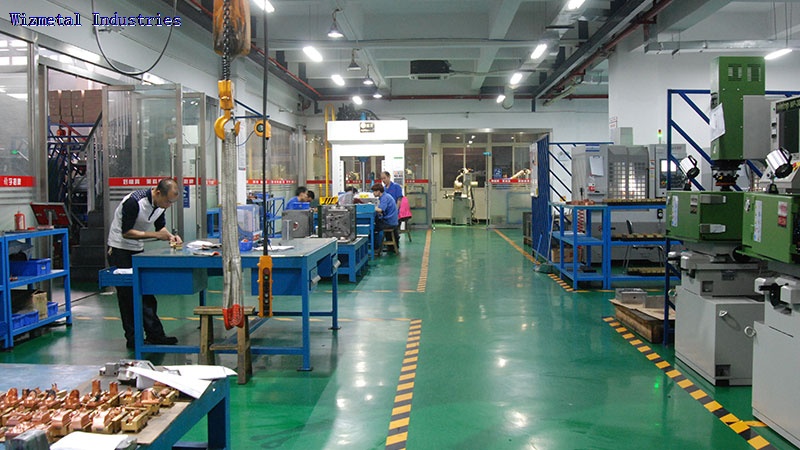
The critical first step is systematic supplier verification and qualification. The term “China mold factory” can refer to a small workshop or a fully automated industrial complex. In 2026, due diligence must be digital and deep. Begin by scrutinizing professional certifications; ISO 9001 is a baseline, while specific automotive (IATF 16949) or medical certifications are crucial for regulated industries. However, do not stop at certificates. Leverage video audits to take a real-time virtual tour of the facility. Request and analyze machine lists—look for modern, CNC, EDM, and high-speed milling equipment from reputable brands like DMG Mori, Makino, or Sodick. Crucially, ask for and contact past international clients. A reliable supplier will provide references and showcase a portfolio with projects similar in complexity and industry to yours. This phase is about building a shortlist of technically capable partners, not just the lowest cost bidders.
Once potential partners are identified, mastering technical communication and specification becomes paramount. Ambiguity in design and requirements is the primary cause of cost overruns and delays. Your technical package must be impeccable. Beyond 3D CAD files (STEP or IGES), provide fully detailed 2D drawings with GD&T (Geometric Dimensioning and Tolerancing) clearly defined. Specify the exact mold steel grade (e.g., P20, H13, S136) and include hardness requirements. Detail the expected cavitation, cooling channel layout, ejection system, and surface finish (SPI standards). For injection mold projects, be explicit about the resin material, expected cycle time, and part volume. Use communication tools that support markups on drawings and screensharing. Assign a single, technically proficient point of contact on your side to interact with the supplier’s engineering team to prevent misinterpretations that cascade through the entire project.
A robust quality control protocol, integrated from the start, is non-negotiable. Agreeing on QC milestones transforms quality from an inspection into a managed process. Insist on a First Article Inspection (FAI) report before mass production begins. This report should validate critical dimensions against your drawings. For complex molds, define Stage Inspections: a pre-hardening check, a T1 sample from the finished mold, and a final pre-shipment audit. Partner with a reputable third-party inspection company in China for the critical T1 sample and pre-shipment stages. Their impartial report on part dimensions, material, and assembly function is invaluable. For injection mold projects, the T1 sample run is your ultimate test. Evaluate the parts for sink marks, warpage, flash, and overall performance. A professional China mold factory will expect and facilitate this rigorous process; those who resist are a significant red flag.
Understanding commercial terms and managing logistics seals the deal. Be clear on payment terms; a common and balanced structure is 30-50% deposit, 40-60% before shipment, and 10% retained until sample approval. Ensure your proforma invoice details what is included: Is mold trial and sampling included? How many revisions are covered? What are the warranty terms for workmanship and durability? Regarding logistics, Incoterms are vital. FOB (Free On Board) is standard, giving you control over shipping and insurance. For your first order with a new supplier, consider using a freight forwarder experienced in handling molds—they require specialized packing, often in wooden crates, and proper HS code classification to avoid customs delays. Factor in lead times not just for manufacturing, but for sampling, adjustments, and ocean freight.
The final strategic consideration is building a partnership, not just a transaction. The most successful importers view their chosen mold manufacturers in china as long-term technical partners. After a successful project, discuss future needs, potential for mold storage and maintenance at the factory, and opportunities for continuous improvement on cycle times. This relationship can lead to priority scheduling, better pricing on subsequent projects, and a collaborative approach to solving complex design challenges. In the dynamic market of 2026, a partner who understands your quality ethos and business goals is a formidable competitive advantage.
In conclusion, importing molds from China in 2026 demands a disciplined, informed approach that prioritizes verification, clarity, and proactive quality management. The landscape is sophisticated, and success belongs to buyers who invest time in thorough supplier vetting, crystal-clear technical communication, and staged quality control. By following this professional guide, you transform the procurement process from a daunting risk into a structured, manageable project. The goal is to leverage China’s manufacturing excellence to secure not just a cost-effective tool, but a high-precision asset that drives your product’s quality and profitability for years to come. Begin your next project with this framework, and you will navigate the market with confidence and precision.
Work With Us
As a professional China mold manufacturer, we provide one-stop mold solution for overseas buyers.
📞 Phone: +86-18605944639
💬 WhatsApp: +8618605944639
🌐 Website: bestmoldworks.com
📧 Email: [email protected]