Category: Custom molds for resin

  • plastic mold factory China: Complete Procurement Guide 2026

    For overseas buyers, the decision to import molds from China represents a significant opportunity for cost efficiency, advanced manufacturing capability, and scalable production. However, navigating the vast landscape of suppliers can be daunting. This complete procurement guide for 2026 is designed to cut through the noise, offering a professional, step-by-step framework to identify, verify, and partner with a reliable plastic mold factory in China. We move beyond generic advice to solve the real problems you face in supplier verification, communication, quality control, and logistics.

    The foundation of a successful import project is selecting the right partner, not just the lowest bidder. Begin your search with a highly specific request for quotation (RFQ). Instead of a simple drawing, provide a comprehensive package including 3D files (STEP or IGS), 2D drawings with critical dimensions and tolerances clearly marked, material specifications, expected annual volumes, and cosmetic requirements. This precision attracts serious factories and filters out those incapable of handling complex projects. Utilize B2B platforms like Made-in-China.com or Global Sources, but prioritize suppliers with verified onsite audits and video capabilities. Crucially, shift your focus from a general search for a China mold factory to specialists. A supplier proficient in large automotive components may struggle with high-precision medical molds. Deep-dive into their portfolio and insist on case studies relevant to your industry.

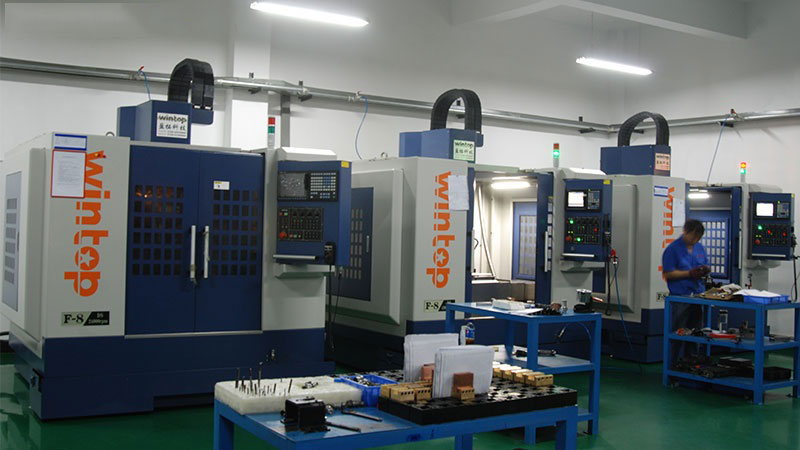
    Once a shortlist is created, rigorous supplier verification is non-negotiable. In 2026, virtual audits are a standard and powerful tool. Schedule video calls to tour the facility live; observe the machinery (look for brands like Sodick, Makino, or DMC for injection mold manufacturing), the workshop organization, and the quality control station. Request proof of certifications such as IATF 16949 for automotive or ISO 13485 for medical devices, and understand what they truly mean for their processes. Ask for and contact past international clients. Furthermore, conduct a background check using a Chinese business credit report to confirm legal entity status, registered capital, and any litigation history. This due diligence phase is your primary risk mitigation strategy before any financial commitment.

    Clear contractual agreements and structured payment terms are your legal and financial safeguards. A professional proforma invoice (PI) should detail every aspect: mold specifications, steel grade (e.g., P20, H13, S136), cavity life expectancy, payment schedule, delivery terms (Incoterms 2020), and most importantly, the protocol for design changes and approval. The standard 50% deposit, 40% upon trial, and 10% after shipment model is common, but for new partnerships, negotiate milestones that tie payments to verified deliverables, such as 30% deposit, 30% after T1 sample approval, 30% pre-shipment, and 10% retention. Always use secure payment methods like bank transfer (T/T) and ensure the contract includes intellectual property (IP) clauses that state all design and tooling rights remain your property.

    Proactive quality control integrated throughout the manufacturing cycle prevents costly surprises. Do not wait for the finished mold to begin inspection. Demand and review critical stage reports: material certificates for the mold steel, first article inspection (FAI) reports after machining, and pre-assembly photos. The most critical step is the Trial Run (T1) sample evaluation. Either hire a third-party inspection company like SGS or QIMA to witness the trial and report on the process parameters and sample quality, or plan for your engineer to be onsite. Evaluate the samples against your approved master sample or CAD data. A reputable plastic mold factory China will provide a detailed mold trial report including injection parameters, cavity pressure data, and cooling time analysis, which is essential for future production consistency.

    The final phase encompasses logistics, after-sales support, and long-term partnership building. Understand the shipping implications of your chosen Incoterm. For FOB terms, you control the freight forwarder, which is often advisable. Ensure the mold is properly prepared for ocean freight: rust prevention, adequate crate protection, and clear labeling. Comprehensive documentation—commercial invoice, packing list, and bill of lading—must be accurate. After-sales service is a key differentiator. Confirm the warranty period (typically 12-18 months), the supplier’s policy on wear-and-tear repairs, and their availability to provide technical support during your production ramp-up. A reliable partner will offer maintenance advice and be ready to manufacture spare components.

    Successfully importing an injection mold from China in 2026 requires a blend of detailed preparation, technological utilization for verification, and relentless focus on process control. By following this structured procurement guide—from targeted supplier discovery and rigorous vetting to enforceable contracts, staged QC, and clear logistics—you transform a complex international transaction into a manageable, low-risk endeavor. The goal is to move beyond a transactional purchase and build a collaborative relationship with a China mold factory that acts as a true extension of your engineering and production team, delivering quality, value, and innovation for years to come.

    Work With Us

    As a professional China mold manufacturer, we provide one-stop mold solution for overseas buyers.
    📞 Phone: +86-18605944639
    💬 WhatsApp: +8618605944639
    🌐 Website: bestmoldworks.com
    📧 Email: [email protected]
  • injection mold: Ultimate Guide for Buyers 2026 | China Mold Factory

    For overseas businesses, sourcing an injection mold from China represents a significant strategic advantage, offering the potential for substantial cost savings and access to world-class manufacturing expertise. However, the journey from concept to a high-quality, production-ready mold involves navigating a complex landscape. This guide is designed to cut through the noise and provide you with a clear, actionable roadmap for successful procurement in 2026. We will focus on practical steps to mitigate risks, ensure quality, and build a profitable partnership with a reliable China mold factory.

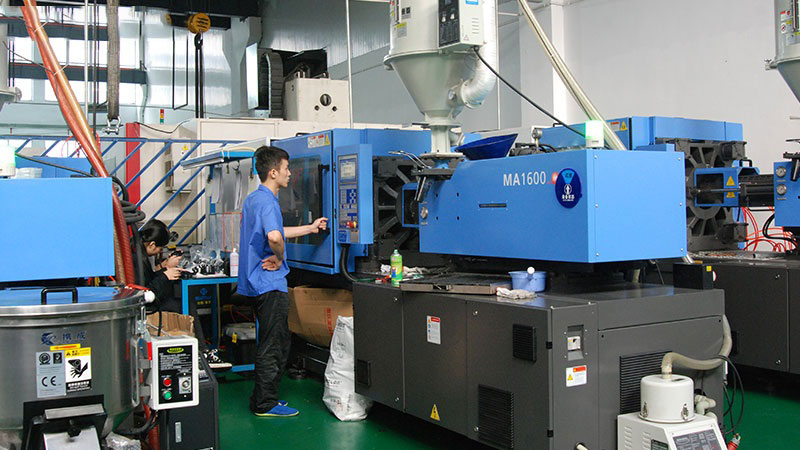
    The foundation of a successful import project lies in meticulous supplier verification. The Chinese manufacturing sector is vast, with capabilities ranging from backyard workshops to fully automated, technologically advanced facilities. Your first task is to move beyond Alibaba listings and conduct deep due diligence. Start by verifying business licenses and export credentials. Insist on a virtual or, ideally, an in-person factory tour to assess their machinery, such as CNC centers, EDM machines, and mold trial presses. Crucially, request and contact references from their existing overseas clients, specifically those in your industry or with similar product complexity. A reputable supplier will be transparent. In 2026, leveraging professional third-party verification services has become a standard best practice for serious buyers to validate a potential partner’s claims before any commitment is made.

    Once you have shortlisted credible partners, the procurement process must be governed by an exceptionally detailed technical and commercial agreement. The common pitfall of issuing only a simple 3D model and requesting a quote will inevitably lead to misunderstandings, cost overruns, and delays. Your Request for Quotation (RFQ) package must be comprehensive. It should include the final 3D CAD data of your product, material specifications for both the mold and the intended plastic resin, expected annual volumes, and targeted cycle time. Clearly specify mold steel grade, surface finish requirements, tolerance levels, and the lifetime expectancy of the tool. Furthermore, define deliverables: how many design reviews are included, the format of progress reports, and the number of pre-production samples. A professional China mold factory will appreciate this clarity and provide a more accurate, comparable quotation, transforming your procurement from a price-based gamble into a value-driven decision.

    Proactive and structured quality control is non-negotiable. You cannot afford to wait until the finished mold arrives at your doorstep to discover critical flaws. Implement a staged inspection protocol integrated into the payment schedule. Key inspection points typically include a design review approval, a first article inspection of mold components like cores and cavities, and a final pre-shipment sample evaluation using the actual production material on the supplier’s injection molding machine. During the trial, you should receive detailed reports including photos, videos of the molding process, and dimensional measurement data of the sample parts. For high-value tools, many buyers now employ third-party quality inspectors based in China to conduct these checks on their behalf. This hands-on approach to quality control throughout the build process is the most effective way to ensure the final injection mold meets all your specifications and is ready for production.

    Managing logistics, intellectual property, and long-term partnership dynamics are the final critical pillars. Understand the Incoterms for your shipment; FOB is common, but clarify who handles inland freight, export customs, and sea/air freight. For intellectual property protection, a robust Non-Disclosure Agreement (NDA) and a product confidentiality clause within the contract are essential. However, true IP security often stems from working with established, reputable factories whose business model relies on repeat clients and reputation, not on copying designs. Finally, view your chosen supplier as a strategic partner. Clear communication, respectful negotiation, and prompt payment for completed milestones foster a cooperative relationship. A reliable China mold factory invested in your success will provide better support for design-for-manufacturability feedback, future maintenance, and design modifications, ensuring the longevity and performance of your injection mold.

    Importing an injection mold from China in 2026 demands a shift from a transactional purchasing mindset to one of strategic partnership and diligent process management. The cost savings are real, but they are realized fully only through rigorous supplier verification, precise procurement documentation, embedded quality control, and careful attention to post-order logistics. By following this structured approach, you significantly de-risk your investment and position your business to leverage the advanced manufacturing capabilities that Chinese mold makers offer. The ultimate goal is not just to buy a tool, but to secure a competitive advantage—a high-precision, durable injection mold that produces flawless parts at an optimal cost, forming the foundation of your product’s success in the global market.

    Work With Us

    As a professional China mold manufacturer, we provide one-stop mold solution for overseas buyers.
    📞 Phone: +86-18605944639
    💬 WhatsApp: +8618605944639
    🌐 Website: bestmoldworks.com
    📧 Email: [email protected]
  • custom injection molded parts: Expert Tips & Solutions 2026

    For overseas buyers, sourcing custom injection molded parts represents a significant opportunity to achieve cost efficiency, scalability, and design flexibility. China remains the global epicenter for mold manufacturing and injection molding services, offering an unparalleled combination of technical expertise and competitive pricing. However, navigating this complex landscape to find a reliable partner requires a strategic, informed approach. This guide for 2026 provides expert tips and actionable solutions to help you procure high-quality custom injection molded parts from China, mitigate risks, and build a successful, long-term supply chain.

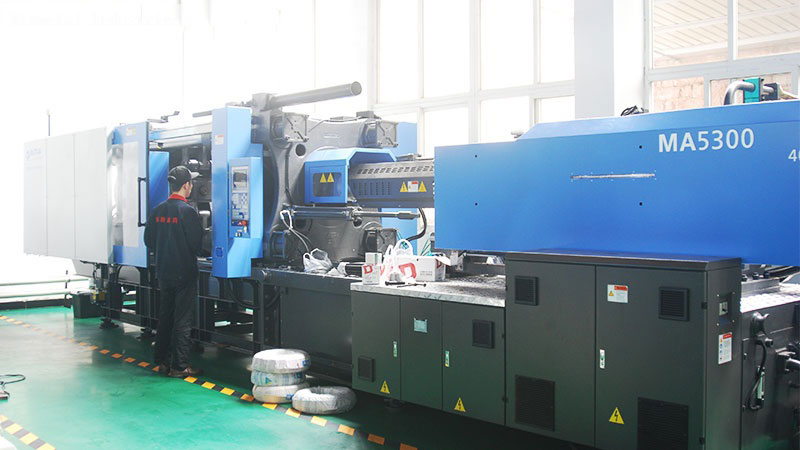
    The foundation of securing excellent custom injection molded parts lies in selecting the right China mold factory. This decision impacts every subsequent stage, from prototyping to mass production. Begin with a thorough supplier verification process that goes beyond a simple website review. Utilize professional platforms like Global Sources or Made-in-China, but prioritize factories with verifiable certifications such as IATF 16949 for automotive or ISO 13485 for medical parts. Request a detailed company profile, including the years in business, client list (with permission for references), and their core industry specializations. A critical step is to conduct a virtual audit; insist on a live video tour of their facility. Observe their machinery (e.g., brand and condition of CNC, EDM, and injection molding machines), workshop organization, and quality control stations. This due diligence separates marketing claims from operational reality and ensures your potential partner has the tangible capability to produce your specific injection mold and parts.

    Once a shortlist of potential suppliers is established, mastering the technical and commercial communication phase is vital. The procurement of an injection mold is a capital investment, and clarity is paramount. Provide potential suppliers with a comprehensive and unambiguous Request for Quotation (RFQ). This should include not just 3D drawings (STEP or IGS files) and 2D technical drawings with GD&T, but also a detailed specification sheet. This sheet must cover the intended material (resin type and grade), expected annual volumes, critical part dimensions and tolerances, surface finish requirements, and cosmetic standards. For the mold itself, specify mold steel type (e.g., P20, H13, S136), expected lifespan (number of shots), hot runner system preferences, and maintenance expectations. A professional China mold factory will respond with a detailed breakdown, not just a single price. Analyze their mold flow analysis report, which demonstrates their understanding of the filling, cooling, and potential defect mitigation for your part. This technical dialogue establishes a baseline for quality and prevents costly misunderstandings post-production.

    Proactive quality control, integrated from the very beginning, is the non-negotiable element for success. Do not treat QC as a final inspection step; it must be a continuous process. Require and review First Article Inspection (FAI) reports against your drawings once the initial samples from the injection mold are produced. For ongoing production, define a clear Quality Control Plan with your supplier. This should specify the frequency of dimensional checks, the use of CMM (Coordinate Measuring Machine) reports for critical features, and the protocol for material certification reviews. For significant orders, engaging a reputable third-party inspection company in China for during-production (DPI) or pre-shipment inspections (PSI) is a wise investment. These inspectors act as your eyes on the factory floor, checking random samples against agreed-upon Acceptable Quality Limits (AQL). Furthermore, discuss and agree on packaging standards to prevent damage during transit. A supplier that is transparent and collaborative in their QC processes is one that is confident in their ability to deliver consistent, high-quality custom injection molded parts.

    Building a sustainable partnership requires foresight into logistics, intellectual property (IP) protection, and long-term collaboration. Address IP protection formally through a well-drafted Non-Disclosure Agreement (NDA) and consider clauses in your contract that stipulate sole ownership of all mold and part design. Physically, mold ownership is best secured by having the injection mold stored in a bonded warehouse or a third-party facility, giving you control over its use. For logistics, work with your supplier to optimize shipping. For prototypes and small batches, air freight or courier services are efficient. For production volumes, consolidating shipments via sea freight requires careful planning to align with your production schedules and inventory management. Finally, view your supplier as a strategic partner. Provide constructive feedback, discuss future projects, and explore value-engineering opportunities they might suggest. A collaborative relationship fosters better communication, innovation, and often, more favorable terms, turning a transactional procurement into a competitive advantage for your business.

    In conclusion, sourcing custom injection molded parts from China in 2026 demands a blend of rigorous verification, technical clarity, embedded quality control, and strategic partnership management. The landscape is competitive, and the most successful overseas buyers are those who approach the process with preparation and partnership in mind. By meticulously selecting your China mold factory, communicating specifications with precision, implementing robust quality control measures from design to delivery, and structuring agreements for long-term success, you transform the challenges of international procurement into a reliable pillar of your product development and manufacturing strategy. The goal is not merely to find a supplier, but to build a resilient supply chain that delivers precision, quality, and value for years to come.

    Work With Us

    As a professional China mold manufacturer, we provide one-stop mold solution for overseas buyers.
    📞 Phone: +86-18605944639
    💬 WhatsApp: +8618605944639
    🌐 Website: bestmoldworks.com
    📧 Email: [email protected]
  • custom injection molding near me: Reliable Manufactur 2026

    For overseas buyers and product developers, the search for “custom injection molding near me” often reveals a challenging reality: high costs, limited capacity, or lengthy lead times from local suppliers. This search, however, is fundamentally about securing reliable, high-quality manufacturing—a goal that increasingly points toward a strategic global partnership. In 2026, the most viable and reliable solution for scalable, cost-effective production is not always found geographically near you, but rather through a meticulously built relationship with a professional China mold factory. This guide provides actionable insights for navigating this procurement journey, transforming the perceived distance into a competitive advantage.

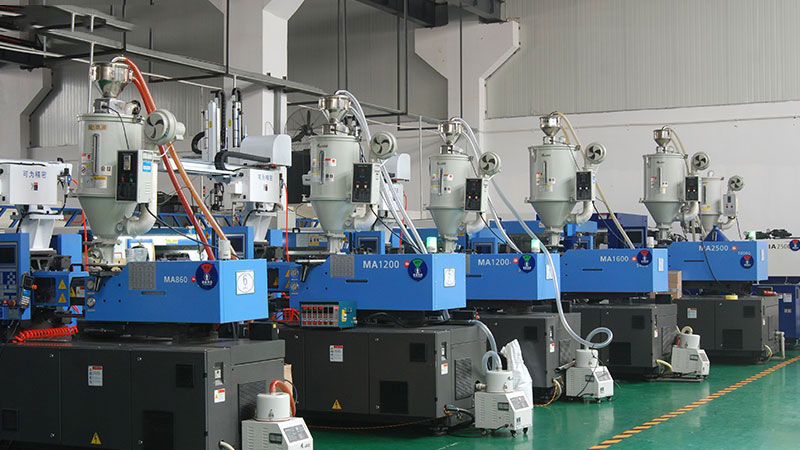
    The core of your project’s success lies not in proximity, but in rigorous supplier verification. The initial phase of selecting an injection mold partner in China demands moving beyond simple Alibaba listings. Start with a deep-dive evaluation of the supplier’s technical capabilities. Request detailed case studies of molds they have built for products similar in size, complexity, and material to yours. Insist on a video conference to tour their facility virtually; a reputable factory will readily show their CNC machining centers, EDM equipment, and quality control labs. Verify certifications like ISO 9001, which indicates a baseline of systematic process management. Crucially, check their experience with exporting to your specific region, as familiarity with your market’s standards and logistics is invaluable. This due diligence replaces geographical closeness with verified competence.

    Once a potential partner is identified, mastering the technical and commercial communication becomes paramount. The procurement process for an injection mold is highly detailed. Provide not just a 3D file, but a comprehensive technical data pack including a 2D drawing with critical tolerances, gate and ejector pin location preferences, surface finish specifications (SPI standards), and the intended plastic material. Be explicit about your expected production volume, as this dictates mold life and steel quality (e.g., P20, H13, S136). Discuss mold flow analysis upfront; a competent China mold factory will use this simulation to anticipate and resolve filling, warpage, and cooling issues digitally before cutting steel. Clear, documented communication at this stage prevents costly misunderstandings and rebuilds later.

    Proactive quality control is the non-negotiable pillar of reliable manufacturing from afar. You cannot be physically present for every inspection, but your quality protocol must be. Mandate a structured Quality Control (QC) plan integrated into the contract. This should include, at minimum, a First Article Inspection (FAI) report with dimensional results from the initial sample shots, and a thorough Pre-Shipment Inspection (PSI) of the finished mold. For critical projects, engage a trusted third-party inspection agency based in China to conduct these checks on your behalf. They will verify steel hardness, cavity dimensions, polish, and test the mold with material to produce sample parts. This layer of oversight ensures the injection mold meets all specifications before it ever leaves the factory, mitigating the single biggest risk in overseas procurement.

    Navigating logistics and building a partnership for the long term are the final steps to solidify reliability. Understand the full Incoterms (e.g., FOB, EXW) and who is responsible for freight, insurance, and import duties. A reliable supplier will have experience shipping molds—often via air freight for speed or sea freight for cost—and can provide guidance. View this not as a one-off transaction, but as the foundation of a strategic partnership. A trustworthy China mold factory becomes an extension of your R&D and production team. Their expertise in design for manufacturability (DFM) can refine your product for better performance and lower per-unit cost. This collaborative relationship ensures that when you think of reliable manufacturing for future projects, you have a proven partner, making the concept of “custom injection molding near me” truly global and more effective.

    In conclusion, the quest for “custom injection molding near me” in 2026 is best redefined as a quest for verified, transparent, and professional manufacturing partnerships. By shifting focus from geographic proximity to a systematic process of supplier verification, precise technical communication, embedded quality control, and strategic logistics planning, overseas buyers can unlock the immense value of Chinese mold manufacturing. The reliable manufacturer you seek is defined by their processes, expertise, and commitment to your success, not their location. Embracing this global model with a disciplined approach provides the scalability, cost efficiency, and quality necessary to compete and thrive in today’s market, turning the challenge of distance into your most significant manufacturing advantage.

    Work With Us

    As a professional China mold manufacturer, we provide one-stop mold solution for overseas buyers.
    📞 Phone: +86-18605944639
    💬 WhatsApp: +8618605944639
    🌐 Website: bestmoldworks.com
    📧 Email: [email protected]
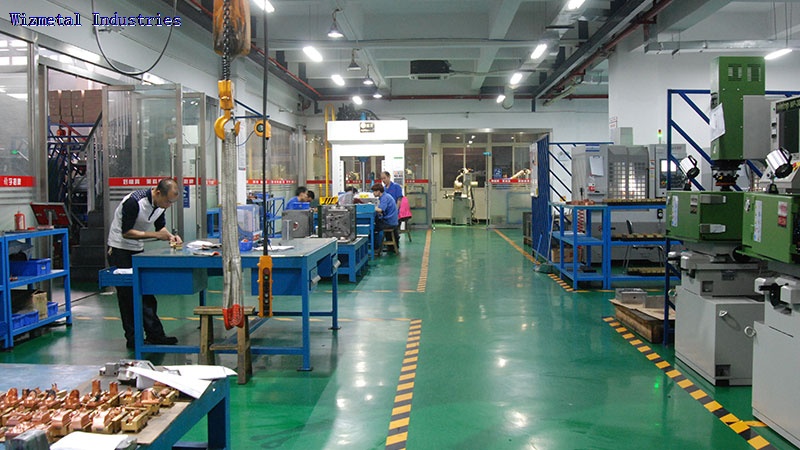
  • how to make custom plastic molds: Ultimate Guide for 2026

    For overseas buyers, the journey of bringing a new plastic product to life often hinges on a single, critical component: the custom mold. Sourcing this from China presents a compelling value proposition, combining advanced technical capability with significant cost efficiency. However, navigating this procurement landscape requires a strategic, informed approach to mitigate risks and ensure a successful partnership. This ultimate guide for 2026 provides a professional, actionable framework on how to make custom plastic molds with a reliable China mold factory, from initial concept to final quality approval.

    The process begins long before you request a quotation. Comprehensive preparation is your most powerful tool. Develop a detailed product design, ideally using 3D CAD files in a universal format like STEP or IGS. Accompany this with a comprehensive product specification document. This should outline critical factors such as the intended plastic material, annual production volume, expected mold lifespan, cosmetic requirements for the finished part, and tolerance levels. This clarity prevents misunderstandings and allows suppliers to provide accurate technical and commercial feedback. Simultaneously, conduct thorough supplier verification. Move beyond Alibaba listings; scrutinize company websites for technical blogs, case studies, and equipment lists. A professional China mold factory will openly showcase their CNC, EDM, and CMM machines. Utilize professional networks and B2B platforms to seek referrals and read client testimonials. Initial communication should be technical: present your design and gauge their engineering feedback. A competent partner will ask insightful questions about draft angles, wall thickness, and gate locations, not just price and delivery time.

    Once a shortlist of potential partners is established, the focus shifts to technical collaboration and transparent costing. The quotation stage is a test of clarity. A professional breakdown should separate mold cost, sample cost, and unit part cost for injection molding. It must specify mold steel type, cavity count, cooling system design, and the type of mold base. For complex parts, discuss and agree on the mold flow analysis process. This simulation, often offered by advanced suppliers, predicts how plastic will fill the cavity, identifying potential defects like air traps or weld lines before steel is cut. It is a worthwhile investment that saves costly mold modifications later. Furthermore, explicitly agree on intellectual property protection. A robust Non-Disclosure Agreement is standard, but also confirm the supplier’s internal data security protocols. Understanding the complete breakdown of how to make custom plastic molds with your chosen factory, including all these technical pre-production steps, establishes a foundation of trust and aligns expectations.

    The procurement phase is governed by a clear, legally sound contract. This document must be meticulous. Beyond price and delivery, it should define key milestones with linked payments, such as a deposit upon order, a payment after design approval, and a final payment after sample approval. Specify the exact steel grade and include penalties for delays. Crucially, define the sample approval process. The contract should state how many sample cycles are included, the process for submitting sample feedback, and the protocol for implementing engineering changes. Agree on a communication plan: primary contacts, weekly update schedules, and the platform for sharing progress reports and photos. Regular visual updates, such as pictures of the finished mold base, engraved cavity blocks, and assembled mold, are invaluable for remote monitoring. This structured approach transforms procurement from a simple purchase into a managed project.

    Upon sample delivery, rigorous quality control takes center stage. Do not approve samples based on a cursory visual check. Create a First Article Inspection report that measures critical dimensions against your CAD drawings using calibrated tools. Test the samples for form, fit, and function—assemble them, check mating parts, and perform any applicable durability tests. Evaluate the surface finish under appropriate lighting. Any discrepancies must be documented in a punch list and communicated clearly with photos and annotations. A reputable supplier will address these issues promptly. For high-volume or critical applications, consider engaging a third-party inspection service in China for a pre-shipment inspection of the mold itself. They can verify steel hardness, check critical dimensions on the CMM, and perform a trial run at the factory. This final verification step, though an added cost, provides immense peace of mind and leverages local expertise to ensure your investment is protected.

    In conclusion, successfully importing a custom plastic injection mold from China in 2026 is a systematic exercise in preparation, communication, and verification. The landscape rewards buyers who invest time in detailed design, diligent supplier verification, and active project management. By mastering the technical dialogue, insisting on transparent contracts, and implementing stringent quality control at the sample stage, you transform the inherent complexity of offshore procurement into a competitive advantage. The ultimate goal is to forge a partnership with a China mold factory that understands your vision, translating your innovative product design into a precision tool that delivers consistent, high-quality parts for years to come. This strategic, hands-on approach is the definitive method for how to make custom plastic molds that meet global standards and drive your product’s success.

    Work With Us

    As a professional China mold manufacturer, we provide one-stop mold solution for overseas buyers.
    📞 Phone: +86-18605944639
    💬 WhatsApp: +8618605944639
    🌐 Website: bestmoldworks.com
    📧 Email: [email protected]

  • China plastic mold Manufacturerturer: Complete Procurem 2026

    For overseas buyers, sourcing plastic injection molds from China remains a strategic decision to balance quality, innovation, and cost-effectiveness. However, navigating the vast landscape of suppliers can be daunting, with challenges ranging from supplier verification to consistent quality control. This guide is designed as your actionable, no-fluff manual for 2026, cutting through the complexity to provide a clear procurement roadmap. We will move beyond simple directory listings to solve the real problems you face in identifying, vetting, and collaborating with a top-tier **China plastic mold manufacturer** to ensure a successful and profitable import project.

    The journey begins long before a request for quotation is sent. Effective procurement in 2026 demands a strategic approach to supplier identification. Start by moving beyond generic B2B platforms. While useful for initial research, the most reliable **China mold factory** partners are often discovered through industry-specific trade shows, detailed technical reviews on engineering forums, and referrals from within your professional network. Prioritize suppliers whose core competency aligns precisely with your project—whether that’s micro-precision components, large automotive parts, or multi-material molds. Scrutinize their online presence for technical white papers, case studies with depth, and video evidence of their workshop and processes. This initial, thorough filtering saves significant time and mitigates risk by creating a shortlist of manufacturers with proven relevant experience.

    Once a potential partner is identified, rigorous supplier verification becomes non-negotiable. This step is your primary defense against future complications. A professional **China plastic mold manufacturer** will welcome this due diligence. First, verify business licenses and export credentials. Then, move to the critical stage: a virtual or in-person factory audit. In 2026, expecting a comprehensive live video tour is standard. Observe the machinery brands, the organization of the shop floor, the presence of quality measurement equipment, and the working environment. Request and contact references from past overseas clients, specifically those in your region or industry. Ask detailed questions about communication, problem-solving, and post-sales support. Furthermore, insist on a detailed breakdown of their internal project management and engineering review process. A transparent and structured workflow is a strong indicator of professionalism and reliability.

    The heart of a successful import lies in mastering design for manufacturability and technical communication. Ambiguity in technical specifications is the most common root cause of delays, cost overruns, and unsatisfactory samples. To solve this, provide your chosen China mold factory with impeccably clear 3D drawings and comprehensive specifications, including exact resin material, expected annual volumes, cosmetic requirements, and tolerance standards. Embrace their engineering feedback; a reputable partner will suggest design modifications to enhance moldability, durability, and cost-efficiency. Establish a single point of contact on both sides who is technically fluent. Utilize collaborative tools for drawing markups and hold scheduled video conferences during key design review milestones. This collaborative, transparent approach aligns expectations and embeds quality from the very first design iteration.

    Proactive quality control, integrated throughout the production cycle, is what separates successful imports from costly failures. Do not treat QC as a final inspection before shipment. Instead, define and agree upon critical inspection points with your supplier. These typically include a first article inspection after the steel is machined, a T1 sample test with your specified material, and a final pre-shipment audit. For high-value or high-volume projects, engaging a trusted third-party quality inspection service based in China for these on-site checks is a highly recommended investment. They can verify steel hardness, cavity dimensions, surface finish, and part conformity before the mold leaves the factory. This layered QC strategy provides objective verification, ensures compliance, and empowers you to address issues in real-time, significantly reducing the risk of receiving a non-conforming mold.

    Finally, a complete procurement strategy must encompass logistics, intellectual property protection, and long-term partnership. Ensure your Incoterms are clearly defined to avoid unexpected costs and responsibilities. For IP protection, a robust Non-Disclosure Agreement is essential, but complement it with practical steps: only release full, detailed drawings after contract signing and consider compartmentalizing the mold manufacturing if possible. View your procurement not as a one-time transaction but as forging a strategic partnership. A reliable supplier becomes an extension of your engineering team, capable of supporting mold maintenance, modifications, and future projects. Building this relationship on transparency, mutual respect, and clear contractual agreements is the ultimate solution for sustainable, worry-free importing from China.

    In conclusion, importing plastic injection molds from China in 2026 is a process best navigated with meticulous preparation, structured verification, and collaborative partnership. By strategically identifying specialized suppliers, conducting thorough audits, prioritizing crystal-clear technical communication, implementing staged quality control, and formalizing the partnership terms, overseas buyers can confidently unlock the immense value offered by the Chinese manufacturing sector. The goal is to transform a complex international procurement into a streamlined, predictable, and highly successful endeavor, establishing a supply chain asset that delivers competitive advantage for years to come.

    Work With Us

    As a professional China mold manufacturer, we provide one-stop mold solution for overseas buyers.
    📞 Phone: +86-18605944639
    💬 WhatsApp: +8618605944639
    🌐 Website: bestmoldworks.com
    📧 Email: [email protected]

  • plastic injection mould Manufacturerturer in China: U 2026

    For overseas businesses, sourcing a reliable plastic injection mould manufacturer in China represents a significant opportunity to enhance product quality and reduce manufacturing costs. However, the journey from initial inquiry to receiving perfect, production-ready molds is fraught with potential challenges. Miscommunication, quality discrepancies, and logistical hurdles can turn a promising venture into a costly ordeal. This guide, updated for 2026, cuts through the noise to provide you with a strategic, actionable framework. We will focus on solving the real problems you face in procurement, from initial supplier verification to final quality control, ensuring your partnership with a China mold factory is built on a foundation of clarity and confidence.

    The cornerstone of a successful import project is rigorous supplier verification. In 2026, due diligence goes far beyond checking a company website. Start with a multi-platform assessment: examine the supplier’s presence on professional B2B platforms like Alibaba or Made-in-China, but also seek out their activity on LinkedIn and industry-specific forums. Crucially, request a virtual factory tour via video call; a reputable injection mold maker will readily showcase their workshop, machinery (look for CNC, EDM, and CMMS equipment), and ongoing projects. Demand a detailed client list and ask for references from past overseas buyers, specifically in your region. Verify business licenses and export credentials. This step is not about finding the cheapest bidder, but identifying a technically capable and transparent plastic injection mould manufacturer in China whose operational standards align with your expectations.

    Once a potential partner is identified, mastering the technical and commercial discussion is critical. The most common point of failure is ambiguous communication. Provide not just a 3D CAD file (STEP or IGS format is preferred), but a comprehensive technical specification document. This should include material type (e.g., POM, ABS, PP), cavity requirements, expected cycle time, tolerance levels (referencing ISO 20457 or SPI standards), surface finish specifications (SPI-SPE standards), and part volume projections. Be explicit about your quality control expectations upfront. Discuss who will provide the mold design (DFM report), the schedule for design review, and the protocol for approving T1 samples. A professional China mold factory will proactively engage in this dialogue, offering a Design for Manufacturability analysis to optimize your part for cost and performance, preventing expensive revisions later.

    Proactive quality control integrated throughout the mold manufacturing process is non-negotiable. Do not adopt a “wait for the sample” mentality. Insist on a staged inspection protocol. Key inspection points typically include: a review of the mold design and DFM report, inspection of core and cavity steel after machining (often with photos/videos), a pre-assembly check, and finally, a full sample trial run. For critical molds, engage a reputable third-party inspection company in China to conduct an on-site First Article Inspection (FAI) during the T1 sample trial. They will check part dimensions against your CAD data, test assembly, and evaluate surface finish. This step, while an added cost, is invaluable for mitigating risk. It ensures that the injection mold meets all specifications before shipment, turning quality control from a reactive problem into a managed process.

    Finally, navigating logistics, intellectual property, and the partnership mindset will define your long-term success. Clearly define Incoterms 2026 (e.g., FOB Shanghai, DAP your warehouse) in your contract to avoid hidden costs. Discuss packaging requirements for the secure transport of heavy, precision tools. Regarding Intellectual Property, a robust NDA and contract that stipulates IP ownership are essential, but partnering with a supplier that values long-term collaboration is your strongest safeguard. A manufacturer invested in a lasting relationship is less likely to engage in IP malpractice. View your chosen manufacturer not as a one-off vendor, but as a technical partner. Their expertise in injection mold making can be leveraged for future product iterations and new developments, providing sustained competitive advantage.

    In conclusion, importing injection molds from China in 2026 demands a blend of diligent verification, precise communication, embedded quality checks, and strategic partnership management. The landscape is competitive, and the most successful overseas buyers are those who approach the procurement process with a systematic, informed strategy. By implementing the actionable steps outlined—from deep supplier verification to staged quality control—you transform potential vulnerabilities into managed, predictable outcomes. The right plastic injection mould manufacturer in China is more than a supplier; they are an extension of your production capability, pivotal to bringing high-quality, cost-effective products to your market. Start your next project with this framework to build a sourcing relationship that delivers reliability, quality, and value for years to come.

    Work With Us

    As a professional China mold manufacturer, we provide one-stop mold solution for overseas buyers.
    📞 Phone: +86-18605944639
    💬 WhatsApp: +8618605944639
    🌐 Website: bestmoldworks.com
    📧 Email: [email protected]

  • buy injection mold: Reliable Manufacturers Guide 2026

    For overseas buyers, the decision to buy injection mold from China represents a significant opportunity for cost efficiency and access to advanced manufacturing capabilities. However, the path from initial inquiry to receiving a high-quality, production-ready mold is fraught with potential challenges. Navigating a vast and diverse supplier landscape requires a strategic, informed approach. This guide for 2026 is designed to cut through the noise, providing you with a professional, actionable framework for identifying and partnering with reliable China mold factory partners. We move beyond simple directories to solve the real problems of verification, communication, quality assurance, and logistics that define successful international procurement.

    The cornerstone of any successful import project is rigorous supplier verification. In 2026, due diligence goes far beyond checking a company website. Begin with a multi-platform assessment: scrutinize their professional presence on B2B platforms like Made-in-China.com or Alibaba, but also examine their activity on LinkedIn and industry-specific forums. The key is to look for evidence of real projects. Request detailed case studies that match your industry and mold complexity. Crucially, insist on a video conference and a live virtual factory tour. This allows you to assess their machinery, workshop organization, and engineering team directly. Verify business licenses and, for critical projects, consider third-party verification services to confirm factory size, ownership, and export history. This initial investment in verification mitigates the fundamental risk of engaging with an unqualified partner.

    Once a potential partner is identified, mastering the technical and commercial procurement dialogue is essential. A precise Request for Quotation (RFQ) is your most powerful tool. This document must extend beyond part drawings and include the mold specification: steel grade, cavity count, lifecycle expectations, cooling system requirements, and surface finish. Clearly state all deliverables: 3D mold design for approval, mold flow analysis reports, sample parts, and final inspection data. When you receive quotations, be wary of prices that seem abnormally low; they often signal compromises on material quality, design time, or future service. Engage in detailed discussions about the design process. A reputable injection mold supplier will proactively discuss part design for manufacturability, suggesting optimizations to reduce cost and improve quality, demonstrating a partnership mindset rather than just an order-taker approach.

    The most critical phase, and where many offshore projects falter, is systematic quality control. You cannot manage what you do not measure. Define clear, measurable quality gates throughout the mold manufacturing process. These typically include: approval of the mold design, a pre-hardening inspection of core and cavity, a Trial Out Report (TOR) with first-shot samples, and a final pre-shipment audit. For high-value molds, hiring a local third-party quality inspection firm to conduct critical stage inspections is a highly recommended investment. They can verify steel hardness, dimensional accuracy, and assembly quality on-site. Furthermore, ensure the supplier provides comprehensive documentation, including material certificates for the mold steel, detailed inspection reports, and high-resolution photos and videos of the testing process. This creates a transparent chain of custody and accountability.

    Successful procurement extends beyond the factory floor to encompass logistics, intellectual property protection, and long-term partnership management. Use clear Incoterms 2020 in your contract to define responsibilities for shipping, insurance, and customs clearance. For prototype or low-volume molds, air freight may be optimal, while production molds often ship via sea. Protect your IP with a robust Non-Disclosure Agreement and consider registering your design in China if applicable. Finally, view your chosen China mold factory as a strategic partner. A reliable manufacturer will offer post-sale support, including warranty on workmanship and materials, and be available for mold maintenance or modification needs. Building this relationship facilitates smoother future projects and provides a competitive advantage in your own product development cycle.

    To buy injection mold from China with confidence in 2026 requires a blend of traditional diligence and modern verification techniques. The landscape is competitive, and the most reliable manufacturers are those that welcome transparency, engage in technical collaboration, and understand the needs of international buyers. By implementing a structured process of supplier verification, detailed technical procurement, staged quality control, and careful logistics planning, you transform a complex overseas venture into a streamlined and highly advantageous component of your supply chain. The goal is not merely to purchase a tool, but to secure a manufacturing partnership that delivers quality, value, and reliability for years to come.

    Work With Us

    As a professional China mold manufacturer, we provide one-stop mold solution for overseas buyers.
    📞 Phone: +86-18605944639
    💬 WhatsApp: +8618605944639
    🌐 Website: bestmoldworks.com
    📧 Email: [email protected]

  • custom injection molding: Expert Tips & Solutions 2026

    Navigating the landscape of custom injection molding in China presents a significant opportunity for overseas buyers to achieve cost efficiency and scalable production. However, the journey from concept to mass-produced part is fraught with potential challenges, from communication gaps to quality inconsistencies. As we look toward 2026, the strategies for successful procurement are evolving. This guide provides expert, actionable solutions designed to solve real-world problems, enabling you to partner with a reliable China mold factory and secure high-quality injection molds that meet your precise specifications, timeline, and budget.

    The cornerstone of any successful import project is thorough supplier verification. Moving beyond simple online directories, a rigorous vetting process is non-negotiable. Begin by verifying business licenses and export credentials. Subsequently, request a detailed company profile that outlines their engineering team’s expertise, machine portfolio, and industry specializations. The most critical step, however, is a virtual or in-person audit. Utilize video calls to conduct real-time factory tours, inspecting shop floor organization, machinery maintenance, and quality lab capabilities. Demand to speak directly with project managers and engineers who will handle your account. Furthermore, scrutinize their portfolio for projects of similar complexity and material to your own. A supplier’s willingness to transparently share this information is a primary indicator of professionalism and a commitment to a trustworthy partnership.

    Once a potential partner is identified, mastering the technical and commercial dialogue is essential. The foundation of any custom injection molding project is a perfectly aligned specification. Develop a comprehensive Request for Quotation (RFQ) package that includes not only 3D CAD files but also a detailed technical data sheet. This sheet should specify material grade, color, critical dimensions and tolerances, surface finish requirements, and part function. Clearly outline your expectations for mold lifespan and future maintenance. During discussions, probe the supplier’s design for manufacturability (DFM) process. A competent China mold factory will provide a formal DFM report, suggesting modifications that optimize part design for the injection molding process, reducing cost and improving quality. This collaborative engineering phase is where significant value is added and future problems are prevented.

    Proactive and structured quality control is the most effective tool to mitigate risk. Do not relegate QC to a final pre-shipment inspection. Implement a staged quality gate process integrated into your contract. Key inspection points typically include: First Article Inspection (FAI) on samples from the approved mold, using detailed inspection reports with dimensional results and CMM data. Secondly, conduct an Initial Production Run inspection after the first 300-500 parts are molded. Finally, schedule regular audits during ongoing production. For critical components, consider engaging a reputable third-party quality inspection firm based in the region of production. They can act as your eyes on the ground, performing unannounced checks and verifying that the injection mold is being maintained and that production processes remain stable. This layered approach ensures issues are caught early, when they are least expensive to correct.

    The logistical and financial framework of your procurement strategy requires equal attention. Opt for Incoterms that clearly delineate responsibilities, such as FOB, which gives you control over shipping and insurance once the goods leave the Chinese port. Ensure all quality documentation, including material certifications and test reports, is stipulated as a condition for payment. A standard payment term structure that balances risk, such as 30-40% deposit, 50-60% upon pre-shipment approval, and 10% retained after successful receipt, is widely accepted. Furthermore, discuss post-sales support explicitly. Understand the supplier’s policy on mold warranty, repair, and storage. A reliable partner will offer a clear warranty period for workmanship and support for future production runs, including mold maintenance before recommencement.

    In conclusion, importing through a custom injection molding process from China in 2026 demands a shift from a purely cost-centric approach to a partnership-centric model. The journey hinges on meticulous supplier verification, collaborative technical communication, embedded quality control protocols, and clear commercial agreements. By implementing these expert tips, you transform potential vulnerabilities into managed processes. The goal is to build a relationship with a China mold factory that acts as an extension of your own operations, delivering consistent quality and driving your product’s success in the global market. Strategic, informed procurement is the definitive solution to unlocking the immense value that Chinese manufacturing offers.

    Work With Us

    As a professional China mold manufacturer, we provide one-stop mold solution for overseas buyers.
    📞 Phone: +86-18605944639
    💬 WhatsApp: +8618605944639
    🌐 Website: bestmoldworks.com
    📧 Email: [email protected]

  • silicone mold factory: Expert Tips & Solutions 2026

    For overseas buyers, importing molds from China remains a strategic move to balance cost, capability, and speed to market. As we look toward 2026, the landscape is more competitive and sophisticated than ever. While the potential for value is immense, so are the pitfalls for the unprepared. This guide cuts through the noise to deliver actionable, professional solutions for partnering with a reliable **silicone mold factory** in China, ensuring your procurement process is built on a foundation of clarity and control.

    The core challenge is no longer simply finding a manufacturer but identifying a true partner capable of delivering consistent, high-quality tooling that meets exacting international standards. Issues like communication gaps, ambiguous specifications, inconsistent material quality, and after-sales support can quickly erode projected savings. The following solutions are designed to address these real-world problems directly, transforming your procurement from a transactional gamble into a managed, strategic supply chain function.

    **Solution 1: Strategic Supplier Verification Beyond Alibaba**

    In 2026, due diligence must be deeper than checking online storefronts. Begin by categorizing suppliers. A general **China mold factory** may offer a wide range, but a specialized **silicone mold factory** will have deeper material science knowledge, understanding of Shore hardness, platinum vs. tin-cure systems, and expertise in de-molding complex geometries. Verify business licenses via third-party platforms like Panjiva or import records databases. Crucially, conduct a virtual audit. Request a live video tour of their facility. Observe their workshop organization, machinery (look for dedicated vacuum degassing equipment for silicone), and quality control stations. Ask for client references from your region and actually contact them. This proactive verification filters out traders and identifies genuine manufacturers with a track record in your specific niche.

    **Solution 2: Mastering the Technical Dialogue and RFQ Process**

    A precise Request for Quotation (RFQ) is your first defense against misunderstandings. Move beyond simply attaching a 3D file. For silicone molds, your RFQ must specify: the intended production material (e.g., polyurethane resin, concrete, wax), required part volume and expected lifecycle, Shore A hardness, any FDA or other certification needs for the silicone itself, and tolerance expectations for critical dimensions. Clearly state your need for mold supports or mother molds, especially for large or complex shapes. When evaluating quotes, be wary of prices that seem too good to be true—they often indicate substandard silicone rubber or poor craftsmanship. Engage in a technical review meeting with their engineer to discuss flow channels, venting, and parting line strategy. A competent supplier will ask as many questions as they answer.

    **Solution 3: Implementing Phased Payments and Quality Gates**

    Financial terms are a critical risk management tool. In 2026, the standard 50% deposit, 50% before shipment model is risky. Negotiate a phased payment schedule tied to objective milestones: 30% upon order confirmation, 40% upon approval of first article inspection (FAI) reports and photos/videos of the finished mold, and 30% upon completion of pre-shipment testing. This aligns incentives and gives you leverage. The quality gates are essential. Before full mold fabrication, require material certification for the silicone rubber batch. After machining, insist on high-resolution images of the mold cavity. The most critical gate is the First Article Inspection: require that the factory produces a sample batch from the new mold, measures critical dimensions, and provides a detailed report with photographic evidence. This step catches issues while they can still be corrected cost-effectively at the source.

    **Solution 4: Proactive Quality Control and Logistics Planning**

    Do not assume quality; validate it. For significant orders, engage a reputable third-party quality inspection firm located near the factory for pre-shipment inspection (PSI). They will check the mold against your agreed specifications, its functionality by casting sample parts, and workmanship. For silicone, this includes checking for bubbles, tears, and proper alignment. Simultaneously, manage logistics proactively. Silicone molds, especially large ones, can be heavy. Discuss packaging requirements explicitly—molds must be securely crated to prevent shifting and damage during ocean freight. Decide on Incoterms 2020 clearly; FOB (Free On Board) is often preferred as it gives you control over the main shipping leg and insurance. Ensure all shipping marks and documentation are precise to avoid customs delays.

    **Solution 5: Building a Partnership for Long-Term Success**

    View your chosen supplier not as a one-off vendor but as a long-term extension of your production capability. After successful delivery, provide structured feedback. If the mold performs exceptionally well, let them know. This fosters goodwill. Discuss plans for future projects or potential need for mold maintenance and repairs. A reliable partner will keep your mold drawings on file for faster turnaround on duplicates or modifications. As your business grows, this relationship becomes a significant asset, reducing lead times and providing stability in your supply chain. This forward-thinking approach is what separates strategic importers from those who are constantly firefighting.

    Successfully importing molds from China in 2026 demands a blend of rigorous process and strategic partnership. By implementing these expert tips—from deep supplier verification and technical RFQs to phased payments with quality gates and independent inspections—you systematically de-risk your procurement. The goal is to transform the complexity of international sourcing into a reliable, repeatable system. Your focus should ultimately shift from merely finding a **China mold factory** to cultivating a relationship with a specialized, verified partner capable of delivering the precision and quality your products require. With this disciplined approach, you can confidently leverage China’s manufacturing excellence to gain a durable competitive advantage.

    Work With Us

    As a professional China mold manufacturer, we provide one-stop mold solution for overseas buyers.
    📞 Phone: +86-18605944639
    💬 WhatsApp: +8618605944639
    🌐 Website: bestmoldworks.com
    📧 Email: [email protected]