For global manufacturers and product developers, the decision to import mold from China remains a strategic move to balance high quality with competitive cost. However, the landscape is evolving rapidly. Success in 2026 demands more than just finding a low price; it requires a sophisticated approach to partnership, verification, and process control. This guide provides actionable, expert-level tips and solutions designed to help overseas buyers navigate the complexities of sourcing and ensure a smooth, successful procurement journey. We will move beyond basic advice to address the real challenges you face in communication, quality assurance, and logistics.
The cornerstone of a successful project is selecting the right China mold factory. In 2024, the focus has shifted from sheer quantity to proven capability and specialization. Begin your search by targeting suppliers with demonstrable experience in your specific industry, whether it’s automotive components, medical devices, consumer electronics, or precision gears. Utilize professional B2B platforms not just for contact, but to scrutinize factory audit reports, client reviews, and detailed project portfolios. A critical first step is to initiate a technical dialogue early. Present your product design or 3D files and request a Design for Manufacturability (DFM) analysis. A competent partner will proactively identify potential issues in wall thickness, gate locations, or ejection long before steel is cut, saving significant time and cost. This step separates reactive workshops from proactive engineering partners.
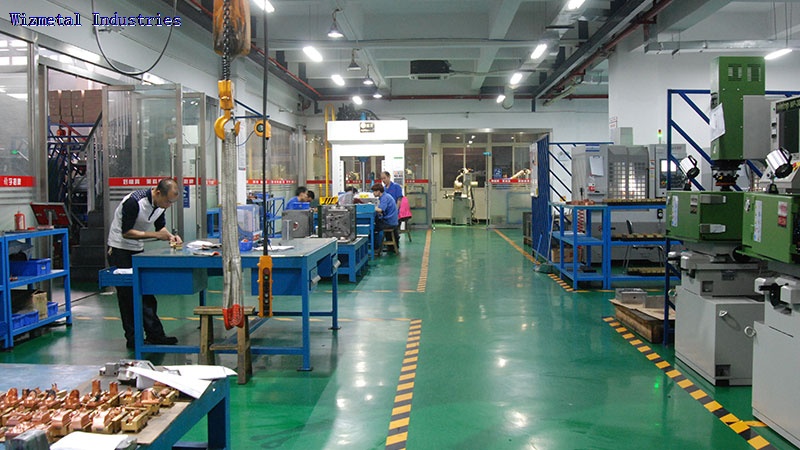
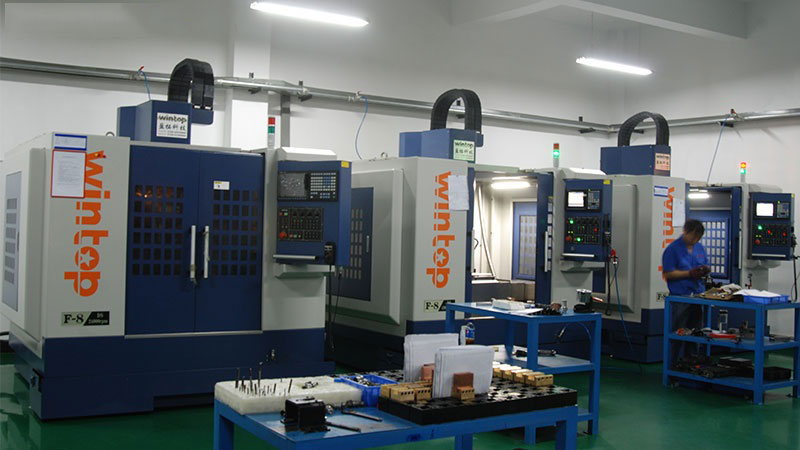
Once a potential partner is identified, rigorous supplier verification is non-negotiable. A virtual factory tour via video call is now a standard expectation. Insist on seeing their machining floor—look for well-maintained CNC, EDM, and wire-cutting equipment from reputable brands. Assess their quality control lab for measuring instruments like CMMs, profilometers, and rockwell testers. Furthermore, verify their internal process documentation. Do they have a clear First Article Inspection (FAI) procedure? Can they provide material certificates for their steel (e.g., from brands like ASSAB or Daido)? For critical projects, consider engaging a reputable third-party inspection agency based in China to conduct an on-site audit before contract signing. This upfront investment mitigates the substantial risk of partnering with an underqualified vendor.
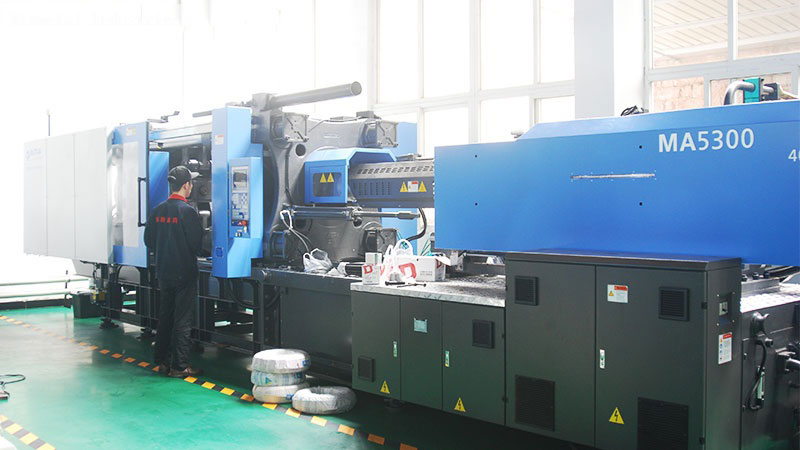
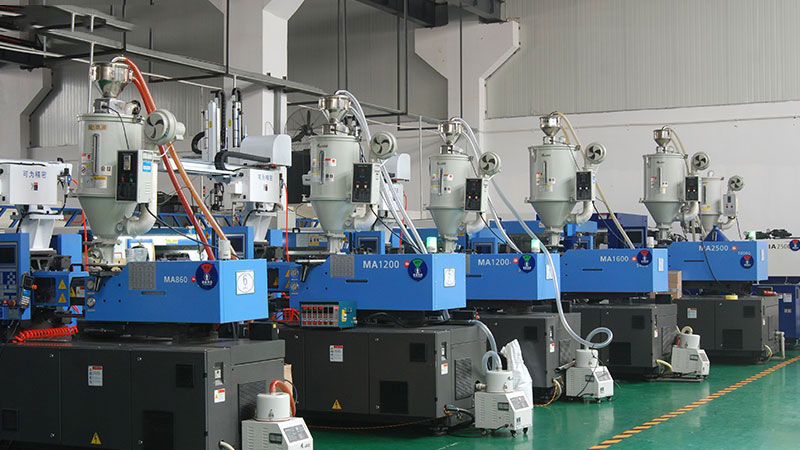
Defining and controlling quality is where many projects falter. Clear, unambiguous communication of specifications is paramount. Your technical agreement must go beyond just the 3D model. It should explicitly state the mold steel grade and hardness, surface finish requirements (SPI standards), tolerance levels for critical dimensions, and the expected lifecycle of the mold. For injection molds, specify the mold trial process: how many trial shots will be conducted, what data will be captured (short shots, pressure curves), and what sample approval protocol will be followed. A best practice is to define a formal Sample Approval Report (SAR) that you must sign off on before mass production shipping. Implement staged inspections: a pre-shipment inspection of the finished mold and a first-article inspection of the initial production parts from the mold. This layered approach ensures issues are caught early, when they are least expensive to correct.
Finally, a seamless import mold from China process requires meticulous attention to logistics and intellectual property (IP) protection. Ensure your Incoterms (e.g., FOB, EXW) are clearly defined in the contract to avoid unexpected freight or handling charges. Discuss packaging—precision molds require rigid, waterproof crating for ocean freight. Verify that the supplier has experience preparing proper commercial invoices, packing lists, and harmonized system (HS) codes for smooth customs clearance in your country. Regarding IP, a robust Non-Disclosure Agreement (NDA) is essential, but consider registering your design patents in China for stronger legal standing. For ultimate security, especially for proprietary designs, you may explore compartmentalizing the manufacturing process or using escrow services for design file release.
In conclusion, importing molds from China in 2026 is an exercise in strategic partnership and detailed process management. The journey from concept to receiving a high-performance mold hinges on selecting a specialized China mold factory, conducting thorough verification, enforcing rigorous quality control protocols, and safeguarding your logistics and IP. By adopting these expert tips and structured solutions, you transform a complex international procurement challenge into a reliable, value-driven component of your supply chain. The goal is no longer just to buy a tool, but to forge a collaborative relationship that delivers precision, durability, and competitive advantage for years to come.
Work With Us
As a professional China mold manufacturer, we provide one-stop mold solution for overseas buyers.
📞 Phone: +86-18605944639
💬 WhatsApp: +8618605944639
🌐 Website: bestmoldworks.com
📧 Email: [email protected]