Navigating the landscape of custom plastic injection mold manufacturing in China presents a significant opportunity for overseas buyers to achieve substantial cost savings and access world-class manufacturing capabilities. However, the journey from concept to a high-quality, production-ready mold involves complex steps, from supplier verification to stringent quality control. This 2026 guide is designed to cut through the noise and provide you with a professional, actionable framework for successfully importing molds from China. We will address the real challenges you face and offer practical solutions to ensure your project’s success, turning the potential pitfalls into a streamlined procurement advantage.
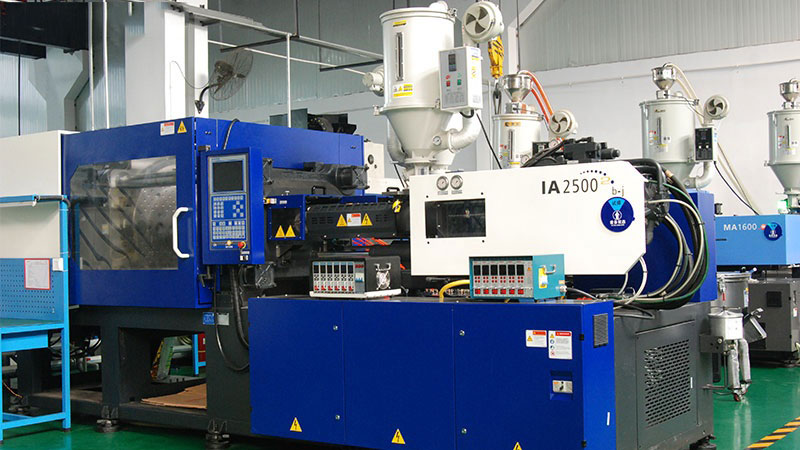
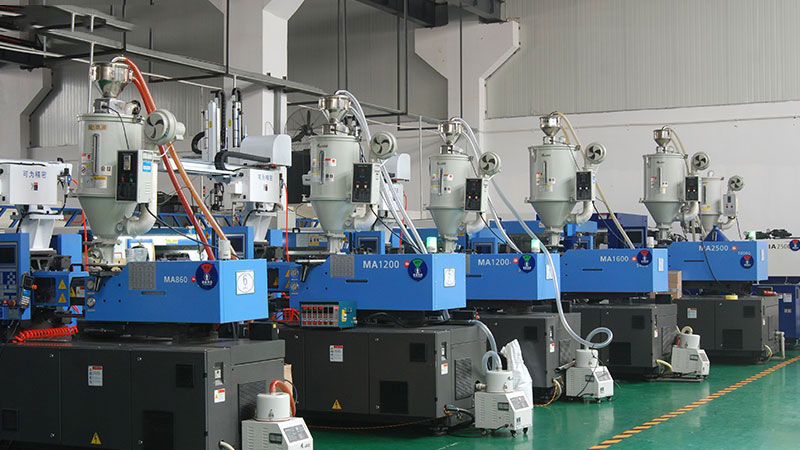
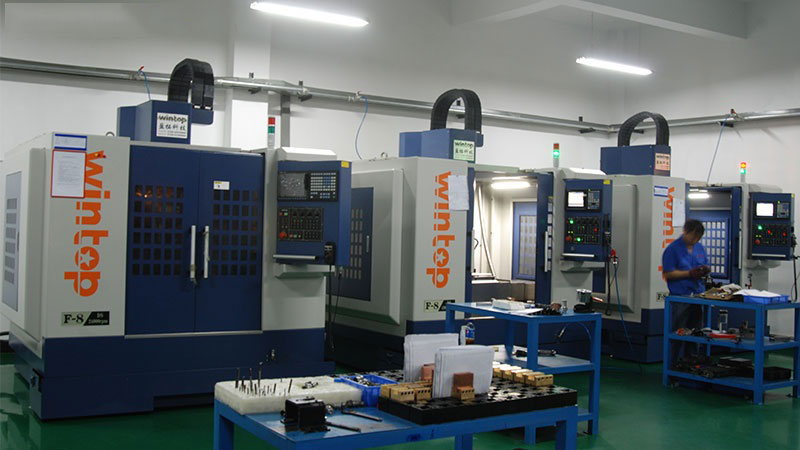
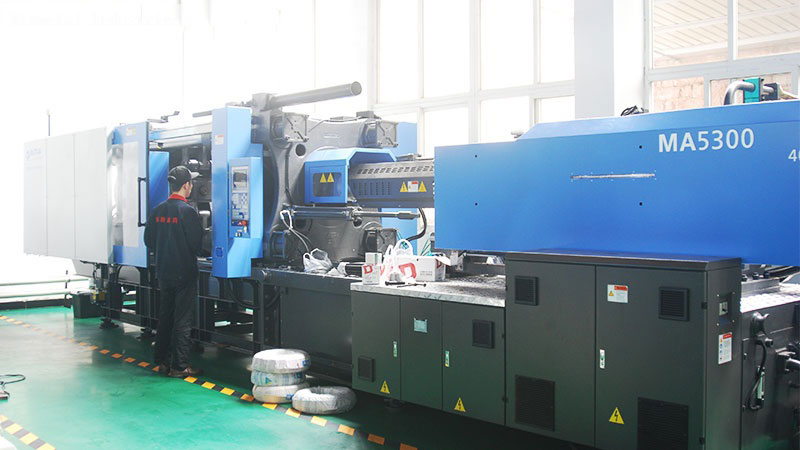
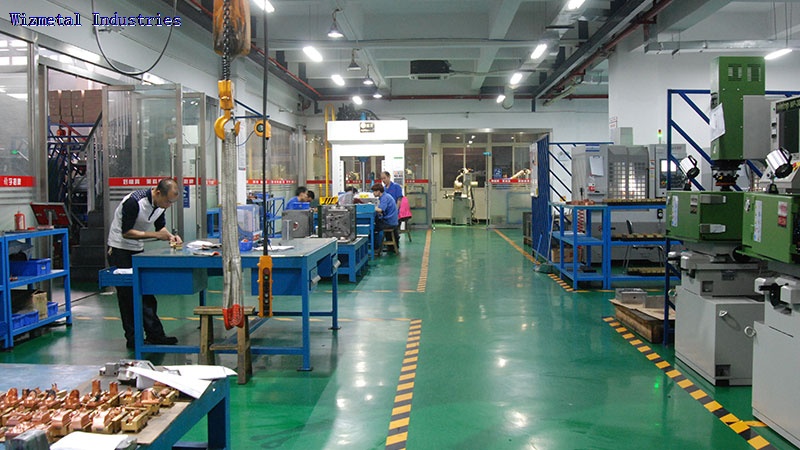
The foundational step, and perhaps the most critical, is thorough supplier verification. Moving beyond a simple website check or Alibaba storefront is non-negotiable in 2026. Begin by verifying the business license and export credentials. Request a virtual or, if feasible, an in-person factory tour to assess their machinery, workshop organization, and engineering department. Crucially, ask for and contact references from their existing overseas clients, specifically those in your industry or with similar product complexity. A reputable China mold factory will be transparent and eager to provide this information. This due diligence filters out trading companies masquerading as manufacturers and identifies partners with a proven track record of international collaboration.
Once a shortlist of potential partners is established, the focus shifts to technical communication and project definition. The clarity of your Request for Quotation (RFQ) package directly impacts the accuracy and competitiveness of the quotes you receive. A comprehensive RFQ should include detailed 3D CAD files (STEP or IGS format), 2D drawings with critical dimensions and tolerances clearly marked, material specifications for the final plastic part, expected annual volumes, and a target piece price for the molded parts. Explicitly discuss and agree upon mold standards upfront—whether it’s HASCO, DME, or a custom specification—including details on mold base material, cavity/core steel grade, surface finishes, and cooling channel design. This precision eliminates ambiguity and sets a professional tone for the engagement.
The contract and payment terms stage is where many projects encounter friction. A professional proforma invoice (PI) should detail not just the price, but all agreed-upon specifications, delivery milestones, payment schedule, and terms of quality assurance. In 2026, a balanced payment structure is standard: typically 30-50% deposit, 40-60% upon approval of pre-shipment sample parts, and the final 10% retained until after successful delivery. Never pay 100% upfront. Utilize secure payment methods like bank transfer (T/T) or Letters of Credit (L/C) for larger orders. Ensure the contract includes provisions for intellectual property (IP) protection, clearly stating that all design and tooling rights remain your property.
Implementing a robust quality control protocol throughout the manufacturing process is your primary risk mitigation tool. Do not wait until the mold is finished to inspect it. Insist on critical stage inspections: a First Article Inspection (FAI) after the mold design is finalized, an in-process inspection when the mold steel is machined, and a final sample inspection where trial shots (T1 samples) are produced and measured. Partner with a third-party quality inspection firm located near the factory to conduct these checks on your behalf. They can verify dimensions with CMM reports, check mold flow analysis, and assess the surface finish of the injection mold against your specifications. This proactive approach identifies issues early, when they are less costly and time-consuming to correct.
Finally, consider the total cost of ownership and logistics. The cheapest mold quote can become the most expensive project if it leads to poor part quality, frequent breakdowns, or excessive maintenance. Evaluate suppliers on their expertise in designing for manufacturability (DFM), which can save significant cost in both tooling and per-part price. Discuss post-sales support: will they provide a mold maintenance manual, spare parts list, and technical support? For logistics, understand the Incoterms (e.g., FOB, EXW) clearly. Plan for mold transportation—a precision injection mold is a heavy, sensitive piece of equipment that requires proper crating and insurance. Factor in import duties and customs clearance procedures in your destination country from the outset.
Successfully partnering with a custom plastic injection mold manufacturer in China is a systematic process built on verification, clear communication, controlled payments, and relentless quality oversight. The landscape in 2026 demands a strategic, informed approach where the buyer takes an active role in managing the procurement journey. By implementing the steps outlined above—from deep-dive supplier verification to staged quality control inspections—you transform the inherent complexities of overseas mold manufacturing into a competitive edge. The goal is not merely to purchase a tool, but to establish a reliable, long-term partnership with a China mold factory that delivers consistent quality, driving innovation and profitability for your products in the global marketplace.
Work With Us
As a professional China mold manufacturer, we provide one-stop mold solution for overseas buyers.
📞 Phone: +86-18605944639
💬 WhatsApp: +8618605944639
🌐 Website: bestmoldworks.com
📧 Email: [email protected]