For overseas businesses, the decision to create custom moulds in China represents a significant strategic advantage, offering unparalleled cost efficiency and manufacturing scalability. However, navigating this complex landscape requires more than just finding the lowest quote. The journey from concept to a high-quality, production-ready mold involves nuanced steps where missteps can lead to costly delays and substandard products. This guide is designed to demystify the process, providing you with a professional, actionable framework to successfully partner with a China mold factory in 2026. We will move beyond generic advice to solve the real procurement challenges you face, ensuring your investment secures both value and reliability.
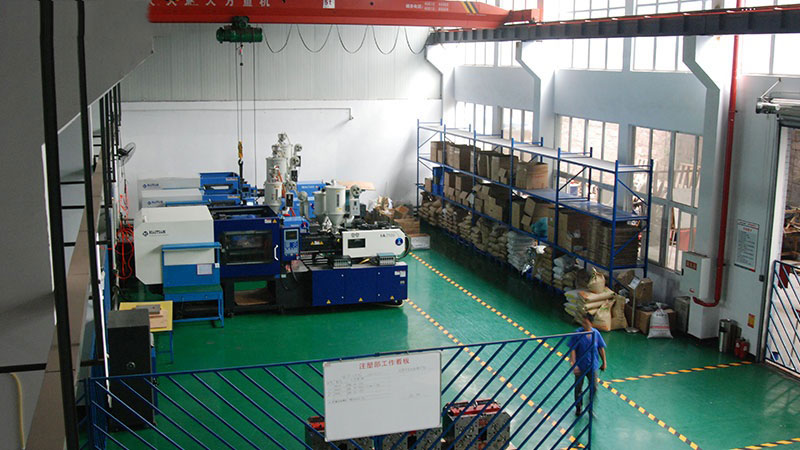
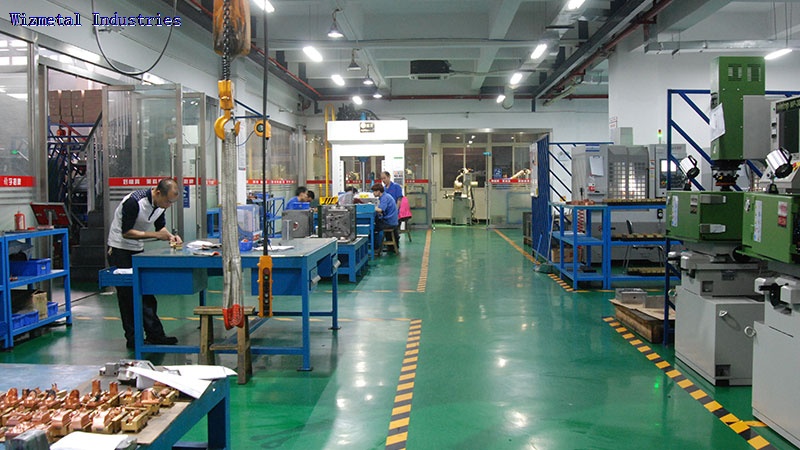
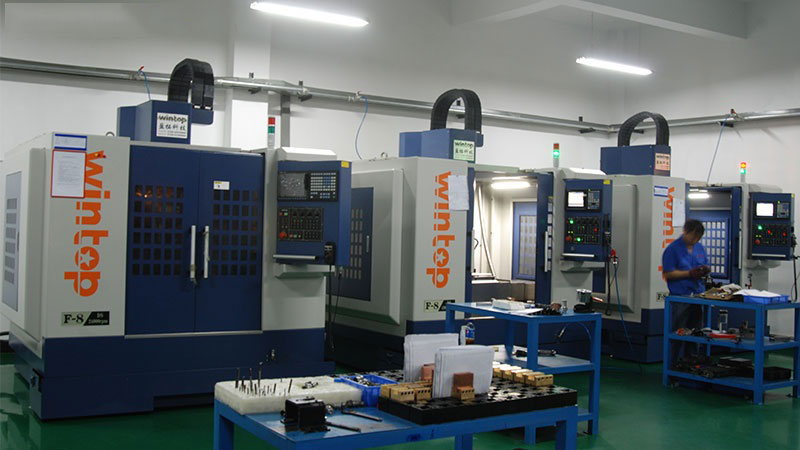
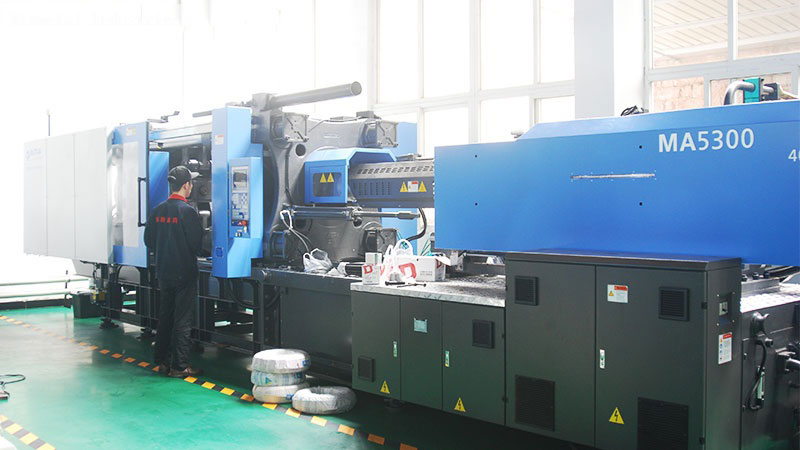
The foundational step, and arguably the most critical, is thorough supplier verification. The market is vast, ranging from highly specialized engineering firms to rudimentary workshops. Your due diligence must be multi-layered. Begin with a deep dive into the supplier’s portfolio, specifically seeking projects comparable in complexity, material, and industry to your own. Request and actually contact past international clients. In 2026, leverage digital verification tools: use video calls to conduct virtual factory tours, assess their CNC, EDM, and CMM machinery, and evaluate the organization and cleanliness of their shop floor. Verify business licenses and export credentials. Crucially, engage their engineering team in a technical discussion about your project; a competent China mold factory will ask insightful questions about part design, material selection, tolerances, and intended production volume before ever discussing price. This phase is not about finding a vendor, but identifying a manufacturing partner.
Once a qualified partner is identified, the procurement process hinges on a meticulously detailed Request for Quotation (RFQ) and a transparent technical review. Ambiguity is the enemy of successful custom mold manufacturing. Your RFQ package must include not just 3D part files (STEP or IGS), but also comprehensive 2D drawings with clearly defined critical dimensions, tolerances (geometric dimensioning and tolerancing is preferred), surface finish requirements, and part material specifications. Specify the mold base standard (e.g., LKM, DME), core steel grade (e.g., P20, H13, S136), and expected mold life (number of shots). Demand a detailed quotation that breaks down costs for mold design, materials, machining, trials, and post-processing. The subsequent technical review meeting is where you align expectations. Discuss gate location, cooling channel design, ejection strategy, and venting. A professional supplier will often suggest design for manufacturability (DFM) adjustments to simplify the injection mold, reduce cost, and improve part quality. Document all agreements in the purchase order.
Proactive and structured quality control, integrated from the start, is non-negotiable. Do not relegate QC to a final inspection before shipment. Implement a staged inspection protocol. Key milestones include a first article inspection (FAI) of the finished mold cavity and core using a CMM report to verify dimensions against your drawings. The most critical phase is the mold trial (T1 trial). Ideally, you or a trusted third-party inspection agency should be present. If physical attendance isn’t possible, mandate a detailed trial report including high-resolution photos and videos of the trial process, the molded samples, and the injection mold parameters used. Samples should be shipped to you for firsthand evaluation. The report must document any issues like sink marks, flash, or warpage and outline the proposed corrective actions. This iterative process, through T2, T3 trials if necessary, ensures the injection mold is perfected before mass production tooling commences.
Navigating logistics, intellectual property protection, and post-sales support are the final pillars of a secure procurement. Use Incoterms 2026 clearly (FOB Shenzhen is common) to define responsibilities. Ensure the supplier provides a complete mold design file and a comprehensive maintenance manual upon final payment. While Chinese law has strengthened IP protections, practical steps are essential. Have a clear, enforceable Non-Disclosure Agreement (NDA) in place and consider registering your design in China. For critical molds, contractually stipulate that the mold design and all associated files remain your exclusive property. Finally, clarify post-sales support terms. What is the warranty period for workmanship and materials? How will they handle mold repair or modification needs in the future? Establishing these protocols upfront prevents disputes and ensures a long-term, productive relationship.
To successfully create custom moulds in China, view the process as a strategic engineering partnership rather than a simple purchase. The landscape in 2026 demands a blend of traditional due diligence and modern digital verification, coupled with an unwavering focus on technical collaboration and embedded quality control. By meticulously verifying your China mold factory, mastering the technical procurement dialogue, implementing staged QC, and securing your IP and logistics, you transform potential risk into a formidable competitive edge. This disciplined approach enables you to leverage China’s manufacturing excellence to innovate, scale, and bring superior products to your market with confidence and efficiency.
Work With Us
As a professional China mold manufacturer, we provide one-stop mold solution for overseas buyers.
📞 Phone: +86-18605944639
💬 WhatsApp: +8618605944639
🌐 Website: bestmoldworks.com
📧 Email: [email protected]