Author: moldcustomization

  • plastic mould manufacturers china: Reliable Manufactur 2026

    For overseas buyers, sourcing injection molds from China remains a cornerstone strategy for achieving cost-effective, high-volume production. However, the landscape is evolving rapidly. The promise of 2026 is not merely about lower costs, but about strategic partnership, technological integration, and predictable outcomes. Navigating the vast sea of potential suppliers requires a modern, diligent approach to transform perceived risks into a reliable competitive advantage. This guide provides actionable, forward-looking strategies to help you identify and collaborate with top-tier plastic mould manufacturers in China for long-term success.

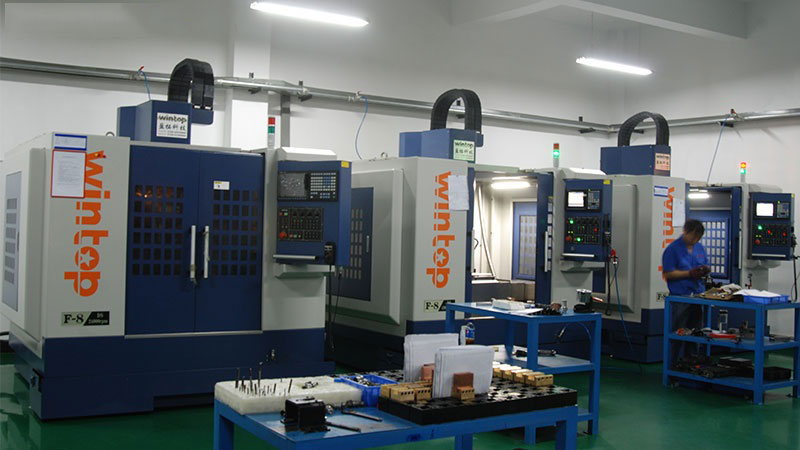
    The foundation of any successful import project is rigorous supplier verification. Moving beyond a simple Alibaba search is imperative for 2026. Start by leveraging professional B2B platforms like Made-in-China.com or Global Sources, which often feature vetted suppliers. However, true verification goes deeper. Insist on video tours of the China mold factory floor; a legitimate manufacturer will readily showcase their CNC machines, EDM equipment, and cleanroom assembly areas. Request detailed case studies for molds similar in complexity and material to your project. Crucially, verify business licenses and export records. For high-value projects, consider employing a third-party verification service to conduct an on-site audit, checking financial stability, production capacity, and management systems before any contract is signed. This upfront investment filters out trading companies and under-equipped workshops, ensuring you engage with a capable partner from the outset.

    Once a potential partner is identified, mastering the technical and commercial discussion is key. Professional plastic mould manufacturers in China expect and respect detailed, clear communication. Prepare comprehensive 3D drawings (STEP or IGS format) and 2D specifications with unambiguous tolerances, surface finish requirements (SPI standards), and material specifications. Discuss the mold flow analysis (MFA) process—a reputable supplier will perform and review this simulation with you to prevent filling issues, warpage, and sink marks before steel is cut. Clearly negotiate terms beyond price: payment schedule (e.g., 30-50% deposit, balance before shipment), prototyping process, approval procedures for T1 samples, and intellectual property protection in the contract. Defining these parameters clearly mitigates misunderstandings and aligns expectations, establishing a framework for a professional partnership.

    Proactive quality control is non-negotiable and must be integrated throughout the manufacturing journey, not just as a final inspection. Define a Quality Inspection Plan (QIP) with your chosen China mold factory. This plan should mandate checkpoints at critical stages: material certification for the mold steel, inspection of the finished mold cavity and core (using CMM reports), and a thorough sampling run. For the sampling run, request video documentation of the injection molding process, capturing cycle times, parameters, and part ejection. Insist on shipping first-article inspection (FAI) samples to your facility for dimensional and functional testing before bulk production or mold shipment. Many buyers now employ third-party quality inspectors for critical Pre-Shipment Inspections (PSI) to provide an unbiased report. This layered QC approach ensures the mold meets specification and is capable of producing quality parts consistently, protecting your investment.

    The most forward-thinking procurement strategy views the supplier as a long-term development partner. The most reliable manufacturers offer more than just a transaction; they provide engineering support (DFM feedback), maintenance plans, and are invested in your product’s success. Discuss their capacity for future mold modifications, spare parts availability, and their approach to continuous improvement. In 2026, leading suppliers are adopting Industry 4.0 practices—ask about their use of IoT in monitoring production or digital twins for mold maintenance. Building this relationship fosters trust, often leading to priority service, better pricing on future projects, and collaborative problem-solving. Effective procurement is therefore relational, transforming a one-off purchase into a scalable manufacturing solution.

    Successfully importing from plastic mould manufacturers china demands a blend of due diligence, clear communication, and quality vigilance. By implementing a structured process of supplier verification, detailed technical negotiation, embedded quality control, and relationship building, you significantly de-risk your supply chain. The goal for 2026 is to move beyond finding the lowest cost to securing the highest predictable value—a reliable manufacturing partner who delivers precision, consistency, and innovation. With this strategic approach, you can confidently leverage China’s manufacturing prowess to build a stronger, more competitive product line for the global market.

    Work With Us

    As a professional China mold manufacturer, we provide one-stop mold solution for overseas buyers.
    📞 Phone: +86-18605944639
    💬 WhatsApp: +8618605944639
    🌐 Website: bestmoldworks.com
    📧 Email: [email protected]
  • custom molding: Expert Tips & Solutions 2026 | China Mold Factory

    For overseas buyers, sourcing custom molding from China represents a significant strategic advantage, offering cost efficiency, advanced manufacturing capabilities, and scalability. However, navigating this complex landscape requires more than just finding a low quote. The journey from concept to a flawless production run hinges on selecting the right partner and managing the process with expertise. This guide provides actionable, forward-looking solutions for 2026, designed to help you secure a reliable China mold factory and transform your procurement into a seamless, value-driven operation.

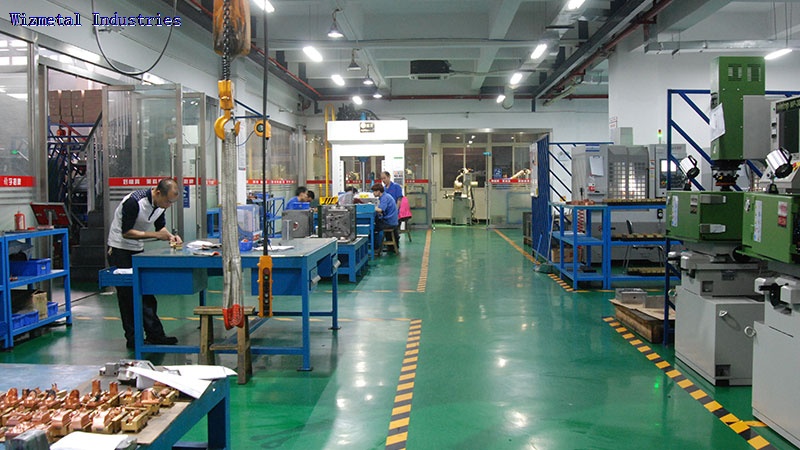
    The cornerstone of successful custom molding lies in meticulous supplier verification. Moving beyond basic checks is non-negotiable. Start by verifying business licenses and export credentials. Then, delve deeper. Request and scrutinize detailed case studies for projects similar in complexity, material, and volume to yours. Insist on a live video tour of their facility; a reputable injection mold manufacturer will readily showcase their CNC machining centers, EDM equipment, and quality control labs. Furthermore, use platforms like LinkedIn to check the stability of their engineering and management teams. In 2026, transparency is the first filter for separating marketing from genuine manufacturing capability. This due diligence mitigates the paramount risk of partnering with an intermediary or an under-equipped workshop.

    Once a potential partner is identified, mastering the technical communication phase is critical. The success of your custom molding project is built on a perfectly aligned technical specification. Provide not just a 3D model, but a comprehensive Product Design for Manufacturability (DFM) report. A competent China mold factory will provide this analysis, suggesting modifications to wall thickness, rib design, gate locations, and ejection to enhance moldability and reduce cost. Simultaneously, demand a detailed Mold Flow Analysis (MFA) report before steel is cut. This simulation predicts how plastic will fill the cavity, identifying potential defects like weld lines, air traps, or sink marks. Approving these documents formalizes the technical blueprint and ensures both parties have identical expectations for the injection mold performance, preventing costly revisions later.

    Procurement from overseas mandates a robust, multi-stage quality control protocol integrated from the start. Define and agree upon Inspection Criteria (IPC) and Quality Control (QC) checkpoints at critical milestones. The first major checkpoint is the First Article Inspection (FAI) after the mold trial. You should receive a sample from the initial production run along with a dimensional report, color/gloss approval, and photos or videos of the trial process. For the mold itself, insist on a T1 sample approval before shipment. Consider engaging a trusted third-party quality inspection service in China for a Pre-Shipment Inspection (PSI) to verify quantity, workmanship, and performance against agreed standards. This layered approach to quality control transforms subjective assessment into objective verification, protecting your investment.

    A professional procurement strategy also requires astute commercial and logistical planning. While unit price is a factor, evaluate the total cost of ownership. This includes mold maintenance, warranty terms, and the cost of future modifications. Clearly define payment terms; a standard secure structure might be 40% deposit, 50% upon T1 sample approval, and 10% before shipment. Regarding logistics, understand Incoterms thoroughly. For mold shipment, FOB or EXW terms are common, giving you control over choosing a freight forwarder. For subsequent mass production of parts, discuss DAP or DDP options. Ensure your chosen China mold factory has experience in preparing all necessary export documentation, including commercial invoices, packing lists, and certificates of origin, to prevent customs clearance delays.

    The final, often overlooked, component is fostering a partnership mindset for long-term success. View your supplier not as a vendor but as a strategic manufacturing partner. Discuss their capacity for scaling production, their approach to mold maintenance and repair, and their ability to support future product iterations. Establish clear communication protocols, including a single point of contact for technical issues and another for commercial matters. Regular, scheduled video conferences can build rapport and ensure alignment. In the dynamic landscape of 2026, a partner invested in your success will proactively suggest material alternatives for cost-saving or sustainability, advise on design improvements, and ensure the longevity of your injection mold tooling.

    In conclusion, importing custom molding from China in 2026 is a process best navigated with strategic precision and partnership focus. By implementing rigorous supplier verification, demanding thorough technical analysis, enforcing structured quality control, managing commercial terms wisely, and building a collaborative relationship, you transform inherent challenges into competitive advantages. The goal is to move beyond mere procurement to establishing a reliable extension of your manufacturing operations. A trustworthy China mold factory, vetted through these expert tips, becomes the foundation for product quality, innovation, and market success for years to come.

    Work With Us

    As a professional China mold manufacturer, we provide one-stop mold solution for overseas buyers.
    📞 Phone: +86-18605944639
    💬 WhatsApp: +8618605944639
    🌐 Website: bestmoldworks.com
    📧 Email: [email protected]
  • how much does a custom plastic mold cost: Best Suppli 2026

    For overseas buyers, the journey to import molds from China is often driven by the compelling value proposition. However, the initial question, “how much does a custom plastic mold cost,” rarely has a simple answer. A quote ranging from $5,000 to $100,000+ is not evasion but a reflection of the intricate variables at play. As we look toward 2026, navigating this landscape requires more than just price shopping; it demands a strategic approach to procurement that balances cost, quality, and reliability. This guide cuts through the ambiguity, offering a professional framework to understand pricing and, crucially, to partner with the right China mold factory for long-term success.

    Understanding the Core Cost Drivers of an Injection Mold

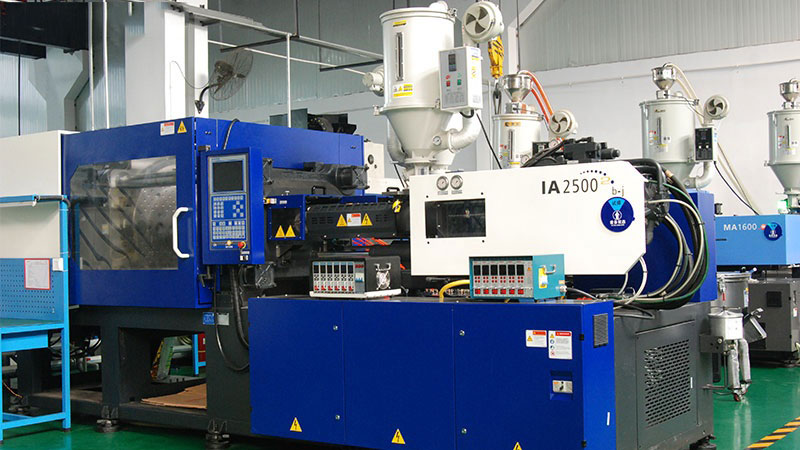
    Before engaging any supplier, savvy buyers must understand what they are paying for. The final price of a custom plastic injection mold is a sum of its parts and complexities. Key factors include mold size and complexity, which directly impact steel volume and machining time. A simple, single-cavity mold for a flat component costs exponentially less than a multi-cavity, hot runner mold with intricate side-actions and tight tolerances. The choice of mold steel is another critical element; pre-hardened steels like P20 are cost-effective for medium runs, while high-grade steels like H13 or stainless steels are necessary for high-volume production or corrosive materials, significantly increasing cost. Finally, surface finish requirements and expected lifespan dictate the level of polishing, texturing, and hardening processes required. A clear, detailed product design is your first and most powerful tool to control these costs.

    The Critical Step of Supplier Verification and Vetting

    In 2026, the difference between a successful project and a costly failure hinges on rigorous supplier verification. The lowest quote often carries hidden risks in engineering capability, material integrity, and communication. Begin by shortlisting China mold factories with proven experience in your industry and part complexity. Request detailed portfolios and, more importantly, contact past overseas clients for references. A professional supplier will readily provide this. Verify business licenses and export credentials. Utilize video calls to conduct virtual factory tours; assess the organization of the workshop, the age and condition of machinery (CNC, EDM, wire-cutting), and their in-house quality control setup. This due diligence phase is not about finding the cheapest but the most competent and transparent partner for your specific injection mold needs.

    Strategic Procurement: From RFQ to Negotiation

    A professional Request for Quotation (RFQ) package is your blueprint for accurate pricing and smooth procurement. It should include a detailed 3D part file, 2D drawings with critical dimensions and tolerances, material specifications, expected annual volumes, and target part cost. This allows suppliers to provide comparable and comprehensive quotes. When quotes arrive, analyze them line by line. A transparent breakdown should itemize mold base, core/cavity steel, machining hours, standard components, and any special features. Negotiate from a position of knowledge, focusing on value rather than just price reduction. Discuss potential design for manufacturability changes that could simplify the mold without compromising function. Establishing clear payment terms is also vital; a standard structure might be 30-50% deposit, 40-60% before shipment, with a 10% retention held until sample approval.

    Implementing Proactive Quality Control Throughout the Process

    Quality control cannot be an afterthought; it must be integrated from the first design review to final shipment. Define and agree upon measurable quality standards with your chosen China mold factory upfront. This includes steel material certificates, first article inspection reports, and critical dimension checks. For high-value molds, insist on a structured sampling process. The T1 sample is the first test; evaluate it thoroughly against your specifications. A reliable supplier will manage the mold modification process transparently, documenting all changes. Consider engaging a third-party quality inspection service in China for milestone inspections, such as during mold trial runs or pre-shipment audits. This independent verification provides an additional layer of security, ensuring your investment is protected and the final mold meets the agreed standards.

    Building a Partnership for 2026 and Beyond

    The ultimate goal of importing molds from China is not a single transaction but establishing a reliable supply chain for your plastic components. Therefore, view your mold supplier as a strategic partner. Clear, consistent, and professional communication is the bedrock of this relationship. Appoint a single point of contact on both sides and use collaborative tools for tracking progress. Discuss post-sale support, including mold maintenance, repair, and future modification costs. A partner invested in your success will be proactive in suggesting improvements for longevity and efficiency. As you look toward 2026, this partnership model ensures you are not just answering “how much does a custom plastic mold cost” for one project, but building a framework for cost-effective, high-quality manufacturing for years to come.

    Conclusion

    Determining the cost of a custom plastic mold is a multifaceted process that extends far beyond a simple price tag. It is a function of technical specifications, strategic supplier selection, diligent procurement practices, and unwavering quality control. By investing time in understanding the cost drivers, rigorously verifying your China mold factory, managing the procurement process professionally, and enforcing strict quality protocols, overseas buyers can transform a complex challenge into a competitive advantage. The landscape of 2026 will favor those who build partnerships based on transparency and expertise. With this approach, you will not only secure a fair price for your injection mold but also a reliable foundation for your product’s manufacturing success.

    Work With Us

    As a professional China mold manufacturer, we provide one-stop mold solution for overseas buyers.
    📞 Phone: +86-18605944639
    💬 WhatsApp: +8618605944639
    🌐 Website: bestmoldworks.com
    📧 Email: [email protected]

  • injection mold: Expert Tips & Solutions 2026 | China Mold Factory

    For overseas buyers, sourcing an injection mold from China represents a significant strategic advantage, offering unparalleled cost efficiency and manufacturing scalability. However, the path to a successful partnership with a China mold factory is fraught with potential complexities, from communication barriers to quality assurance. This guide provides expert, actionable tips for 2026, designed to help you navigate the procurement process with confidence and secure a high-quality injection mold that meets your exact specifications and timeline.

    The cornerstone of successful procurement is thorough supplier verification. Moving beyond a simple website review or Alibaba storefront is non-negotiable. Begin by verifying the factory’s business license and export credentials. Request a virtual or pre-qualification video tour of their facility; a reputable China mold factory will readily showcase their CNC machining centers, EDM equipment, and mold trial presses. Crucially, ask for and contact past international clients. Speaking directly with a European or North American buyer about their experience with mold design, communication, and post-sales support provides invaluable, unbiased insight. This due diligence phase filters out trading companies masquerading as manufacturers and identifies partners with proven experience in serving overseas markets.

    Once a shortlist is established, mastering the technical and commercial quotation process is your next critical step. A professional quotation for an injection mold should be exhaustive, not just a single price. It must itemize costs for mold design, materials (specifying steel grade and hardness, e.g., P20, H13, S136), cavity count, expected lifespan, surface finish, and all ancillary components like sliders, lifters, and hot runner systems. Clearly define payment terms—a common and balanced structure is 40% deposit, 50% upon pre-shipment approval of mold trial samples, and 10% after final delivery. Most importantly, the quote must be based on a complete and approved 3D product design (STEP or IGS format) and a 2D mold drawing. Ambiguity here is the primary source of cost overruns and delays, so invest time in perfecting your design data package before soliciting bids.

    Proactive quality control, integrated from the start, is what separates successful imports from costly failures. Do not treat QC as a final inspection activity. Instead, mandate milestone inspections and reports. Key checkpoints include a design review meeting, material certification review, and first article inspection of critical mold components. The most vital stage is the mold trial (T1 trial). Insist on a detailed trial report with video documentation, showing the mold in operation, process parameters, and shots of the produced parts. Measure the trial samples against your provided GD&T drawings and critical dimension checklist. Many top-tier suppliers offer third-party inspection coordination, but having your own agent or engineer present for the T1 trial, while an investment, can prevent catastrophic quality issues before the mold leaves the factory floor.

    Navigating logistics and intellectual property protection requires strategic forethought. For logistics, clarify Incoterms explicitly. FOB Shenzhen is common, giving you control over shipping and insurance upon departure from China. Ensure the China mold factory provides all necessary export documentation cleanly. Regarding IP, a well-drafted Non-Disclosure Agreement (NDA) is essential, but its enforcement must be practical. Consider compartmentalizing your design; you might have one factory produce the core and cavity while another handles assembly. For utmost security, register your design patents or utility models in China. While no system is foolproof, these layers of protection demonstrate seriousness and create legal recourse, deterring most suppliers from unethical behavior.

    The journey does not end at shipment. Establishing clear protocols for post-delivery support is critical for long-term project success. Prior to order confirmation, negotiate and document terms for mold modification costs, warranty period (typically 12-24 months against manufacturing defects), and the process for handling wear and tear. A reliable partner will provide spare parts lists and maintenance manuals. Furthermore, discuss their capacity for ongoing production if you plan to use them for molding parts. Building a relationship with a China mold factory that views your initial injection mold as the start of a partnership, rather than a transaction, ensures you have dependable support for design revisions, production ramp-ups, and future projects.

    Successfully importing an injection mold from China in 2026 demands a blend of diligent verification, precise communication, embedded quality control, and strategic partnership management. By implementing these expert tips—from deep supplier vetting and detailed quoting to milestone inspections and post-sales planning—you transform the inherent challenges of overseas procurement into a competitive edge. The goal is to move beyond finding a mere vendor to cultivating a reliable extension of your manufacturing team, ensuring the mold you receive is a precise, durable, and profitable foundation for your production.

    Work With Us

    As a professional China mold manufacturer, we provide one-stop mold solution for overseas buyers.
    📞 Phone: +86-18605944639
    💬 WhatsApp: +8618605944639
    🌐 Website: bestmoldworks.com
    📧 Email: [email protected]

  • custom molded products shanghai: Professional Buying Gu 2026

    For overseas buyers, sourcing custom molded products from Shanghai represents a significant opportunity to access world-class manufacturing capabilities, innovative engineering, and competitive costs. However, navigating this complex landscape requires more than just finding a supplier online; it demands a strategic, informed approach to procurement, supplier verification, and quality management. This 2026 Professional Buying Guide is designed to cut through the noise and provide you with actionable, real-world strategies to successfully partner with a China mold factory and secure high-quality injection molds and molded products, mitigating risks and ensuring a smooth import process.

    The foundation of a successful import project lies in meticulous supplier verification. Moving beyond Alibaba listings is crucial. Start by conducting a deep-dive analysis of potential partners. A legitimate and capable China mold factory will have a detailed corporate history, verifiable business licenses, and a portfolio showcasing past projects for international clients. Request video tours of their facility—focusing on their mold workshop and injection molding floors—to assess the level of machinery (e.g., CNC, EDM, injection molding machines) and shop floor organization. Crucially, ask for and independently contact at least two previous overseas clients. Inquire about their experience with communication, problem-solving, and post-sales support. This step, while time-consuming, is your primary defense against underqualified suppliers and potential fraud.

    Once a potential partner is identified, mastering the technical and commercial quotation process is your next hurdle. Professional suppliers for custom molded products in Shanghai expect detailed inquiries. Provide a comprehensive Request for Quotation (RFQ) package including: 3D CAD files (STEP or IGS format), 2D drawings with critical dimensions and tolerances clearly marked, material specifications (grade and color), expected annual volumes, and cosmetic requirements (e.g., texture, gloss level). A precise RFQ allows for accurate comparisons. Be wary of quotes that are significantly lower than the market average; this often indicates corner-cutting on steel quality, component standards, or engineering time. A professional quote should break down costs for mold design, mold fabrication (including steel type and cavity count), sample costs, and piece-part price. Understanding this breakdown is essential for negotiation and future cost adjustments.

    The design and prototyping phase is where collaboration truly begins and potential issues are resolved before mass production. Insist on a formal Design for Manufacturability (DFM) report from your chosen China mold factory. A thorough DFM will analyze your part design, suggest modifications to improve moldability, reduce cost, and enhance strength, and outline the proposed mold structure (e.g., gate location, ejection system, cooling line layout). Do not skip the prototyping stage. Evaluate first-shot samples (T1) against your approved drawings and specifications with extreme rigor. Test form, fit, and function. This is the time to request adjustments—a professional supplier will expect and facilitate this iterative process. Paying for multiple sample iterations is far cheaper than modifying a production mold or dealing with faulty goods later.

    Implementing rigorous quality control from the start is non-negotiable. Quality cannot be inspected into a product; it must be built into the process. Define your quality standards explicitly in the purchase contract. Specify which measurement equipment will be used (CMM, optical comparators) and require a First Article Inspection (FAI) report and a dimensional report for sample approval. For production runs, establish a mutually agreed-upon Inspection and Test Plan (ITP). For many buyers, engaging a trusted third-party quality inspection company in Shanghai to conduct pre-shipment inspections (PSI) or during-production checks (DPI) is a wise investment. An inspector can verify quantity, workmanship, function, and packaging on-site, providing an objective report before shipment. This layer of oversight protects your capital and brand reputation.

    Finally, navigate logistics, payment, and intellectual property (IP) with clear contractual safeguards. Use secure payment terms that balance risk, such as a split of 30-50% deposit with the balance paid against copy of shipping documents or after successful pre-shipment inspection. For Incoterms, FOB Shanghai is common and offers a good balance of control and cost. Ensure your contract includes clear IP protection clauses, stating that all tooling and design remain your property. Physically marking the injection mold with your company name and a unique asset number is a simple, effective deterrent. Furthermore, confirm who holds the mold after production—a trustworthy supplier will store it securely for a negotiated fee, ready for future production runs.

    In conclusion, importing custom molded products from Shanghai in 2026 is a highly viable strategy for businesses seeking quality and value. The journey from concept to delivered product hinges on a disciplined, professional approach centered on deep supplier verification, precise technical communication, collaborative design review, proactive quality control, and ironclad contractual agreements. By treating your Chinese mold manufacturer as a strategic engineering partner rather than just a vendor, you unlock the true potential of Shanghai’s manufacturing ecosystem. The goal is to build a transparent, long-term relationship with a reliable China mold factory, transforming the complexity of overseas procurement into a competitive advantage for your business.

    Work With Us

    As a professional China mold manufacturer, we provide one-stop mold solution for overseas buyers.
    📞 Phone: +86-18605944639
    💬 WhatsApp: +8618605944639
    🌐 Website: bestmoldworks.com
    📧 Email: [email protected]

  • injection molding machine manufacturer in china: Exper 2026

    For overseas buyers, the decision to import molds from China remains one of the most impactful strategies for achieving cost efficiency and scaling production. However, the landscape is evolving rapidly. As we look toward 2026, the process is less about finding the cheapest option and more about forging intelligent, resilient partnerships. The core of a successful project often begins not just with a China mold factory, but with understanding the ecosystem that supplies them—including the critical role of the injection molding machine manufacturer in China. This guide provides a forward-looking, practical framework to navigate this complex terrain, mitigate risks, and secure high-quality injection molds that deliver long-term value.

    Beyond Price: The 2026 Verification Protocol

    The initial search will yield hundreds of potential suppliers. Your first actionable step is to implement a multi-layered verification protocol that moves far beyond Alibaba storefronts. Start with a deep dive into business licenses using Chinese platforms like the National Enterprise Credit Information Publicity System to confirm legal standing and registered capital. For 2026, prioritize suppliers who transparently showcase their partnerships and equipment. A reliable injection mold maker will proudly specify the makes and models of their injection molding machines. Recognizing names of reputable injection molding machine manufacturers in China is a strong indicator of a factory’s commitment to precision and stability. Furthermore, insist on a live video audit. A real-time walkthrough of the factory floor allows you to assess housekeeping, machine maintenance, technician workflow, and gauge the actual scale of operations, providing a truth check against marketing claims.

    Precision in Specification: The Digital Handshake

    Miscommunication in technical specifications is the primary cause of project failure, delays, and cost overruns. In 2026, your technical data pack must be impeccable and unambiguous. Move beyond simple PDF drawings. Provide fully annotated 3D CAD files (STEP or IGS formats) alongside 2D drawings with clear, international standard GD&T (Geometric Dimensioning and Tolerancing). Explicitly detail material specifications, including grade, supplier preferences, and required material certifications (e.g., UL, FDA, RoHS). Crucially, define the mold trial process: which plastic resin will be used for sampling, the number of trial shots required, and the exact criteria for part approval. This document acts as your binding digital handshake and is the baseline for all quality control measures.

    Staged Quality Control: From Steel to Shipment

    Proactive, staged quality control is non-negotiable. Do not wait for the final sample to discover issues. Implement checkpoints at critical milestones. The first checkpoint is material verification: confirm the certificate of analysis for the chosen mold steel and pre-hardened steel blocks upon arrival at the factory. The second is the First Article Inspection (FAI) after the mold trial. This is where you must receive actual shot samples, CMM (Coordinate Measuring Machine) reports, and a full inspection data sheet against your drawings. For 2026, consider leveraging remote inspection technologies. Hire a trusted third-party quality control agent in China to conduct on-site inspections at these stages, or use connected tools that allow for live streaming of measurements and tests. This layered approach de-risks the entire production process before mass production begins.

    Building Partnership for the Long Term

    The most successful import relationships in 2026 will be framed as strategic partnerships, not transactional purchases. During negotiations, discuss future needs and scalability. A forward-thinking China mold factory will appreciate your long-term vision and may offer more favorable terms for ongoing maintenance, mold modifications, or future projects. Discuss their capacity for handling design for manufacturability (DFM) feedback early in the process; a supplier that offers constructive DFM analysis is investing in the project’s success. Furthermore, understand their after-sales service structure. How will they handle mold repair, maintenance advice, or the provision of spare components? Establishing these protocols upfront builds a resilient supply chain capable of adapting to future challenges.

    Navigating Logistics and Intellectual Property

    Finalizing the mold is only part of the journey. Clearly define shipping and logistics responsibilities (Incoterms 2020) in your contract. For delicate, high-value injection molds, consider professional crating and insurance. Simultaneously, intellectual property (IP) protection must be a cornerstone of your agreement. Your contract must include a robust confidentiality clause (NDA) and explicitly state that all mold design, tooling, and associated IP remain your exclusive property. While legal enforcement has complexities, registering your design patents or utility models in China provides a stronger legal footing. Choose a supplier with a demonstrable reputation for respecting IP, often evidenced by long-term relationships with other international clients.

    Conclusion: The Strategic Importer’s Advantage in 2026

    Importing molds from China in 2026 demands a sophisticated blend of due diligence, technical clarity, and relationship management. The goal is to systematically transform the perceived risks of overseas procurement into a durable competitive advantage. By executing a rigorous supplier verification, mastering the art of precise specification, enforcing staged quality control, fostering a partnership mindset, and securing your logistics and IP, you position yourself for success. The journey requires more upfront investment in time and planning, but the reward is a reliable, high-quality supply chain that delivers not just cost savings, but innovation, scalability, and market agility for years to come.

    Work With Us

    As a professional China mold manufacturer, we provide one-stop mold solution for overseas buyers.
    📞 Phone: +86-18605944639
    💬 WhatsApp: +8618605944639
    🌐 Website: bestmoldworks.com
    📧 Email: [email protected]

  • Mold for rubber parts: Expert Tips & Solutions 2026

    Importing a mold for rubber parts from China remains a strategic decision for global manufacturers seeking cost-effective, high-quality tooling solutions. The landscape, however, is nuanced. Success in 2026 hinges not on finding any supplier, but on expertly navigating the procurement process to secure a reliable partner who delivers precision, durability, and value. This guide cuts through the noise to provide actionable solutions for overseas buyers, addressing the core challenges of supplier verification, technical specification, and quality control when working with a China mold factory.

    The cornerstone of a successful import project is rigorous supplier verification. Moving beyond Alibaba listings and superficial website reviews is non-negotiable. Begin by shortlisting specialized manufacturers with proven portfolios in rubber, not just general injection mold makers. Request and scrutinize case studies for similar parts, focusing on materials like silicone, EPDM, or nitrile rubber. A critical step is a live video audit of the factory floor. In 2026, reputable suppliers expect this and can facilitate virtual tours, allowing you to assess their machinery (e.g., CNC, EDM), cleanroom conditions for sensitive materials, and in-house capabilities like mold flow analysis. Verify their export experience by asking for references from existing overseas clients and confirming their familiarity with international shipping and documentation. This due diligence transforms a name on a list into a vetted potential partner.

    Precision in technical communication is your primary tool for preventing costly errors. A comprehensive Request for Quotation (RFQ) package is essential. This must extend beyond a 3D part drawing. Include detailed material specifications for the final rubber compound, as shrinkage rates critically impact mold dimensions. Specify the required production volume to determine the appropriate mold steel (e.g., pre-hardened steel like P20 for medium runs, hardened steel like H13 for high-volume or abrasive materials). Clearly outline gate and venting preferences, surface finish requirements (SPI standards), and tolerance levels. Discuss the molding process—whether it’s liquid silicone rubber (LSR) injection, compression, or transfer molding—as each requires a distinct mold for rubber parts design. Proactively addressing these elements with your China mold factory aligns expectations and forms the basis for a technically sound quotation, minimizing the risk of redesigns and delays.

    Implementing staged quality control gates throughout the manufacturing process is what separates professional procurement from a leap of faith. Do not settle for a single final inspection. Contractually agree on key inspection points: first article inspection after core and cavity machining, a Trial Run Report (TRR) with sample parts from their press, and a pre-shipment audit. The sample trial is especially crucial for a rubber parts mold; it validates not just dimensions but also the functionality of ejection systems, venting efficiency, and the quality of the produced parts. Insist on receiving actual molded samples for your own evaluation and testing. Many buyers engage third-party quality inspection services in China to conduct these checks impartially, providing an additional layer of security. This phased approach ensures issues are identified and resolved when they are least expensive to fix—during production in the factory, not after arrival at your facility.

    Navigating commercial and logistical terms with clarity protects your investment. Understand the total landed cost, which includes the mold price, packaging, international freight, insurance, and import duties. While a Letter of Credit (LC) offers security, it adds complexity; many established suppliers now accept T/T payments with a staggered structure (e.g., 50% deposit, 40% before shipment, 10% after approval of samples). Ensure intellectual property (IP) protection is addressed in a formal agreement, with clauses confirming your ownership of all part and mold designs. Discuss post-sales support upfront: what is the warranty period for workmanship and materials? Will they provide maintenance advice or spare components? Clarifying these points establishes a professional framework for the entire transaction and the long-term relationship.

    In conclusion, importing a high-performance mold for rubber parts from China in 2026 is a process best managed with a systematic, expert-led approach. It transcends simply finding the lowest bidder. Success is built on the pillars of deep supplier verification, meticulous technical communication, proactive quality control integration, and clear commercial agreements. By focusing your procurement strategy on these actionable solutions, you transform the inherent complexities of overseas sourcing into a competitive advantage. The result is a durable, precision injection mold from a verified Chinese supplier that delivers consistent part quality, optimizes your production costs, and supports your manufacturing goals for years to come.

    Work With Us

    As a professional China mold manufacturer, we provide one-stop mold solution for overseas buyers.
    📞 Phone: +86-18605944639
    💬 WhatsApp: +8618605944639
    🌐 Website: bestmoldworks.com
    📧 Email: [email protected]

  • import mold from China: Complete Procurement Guide 2026

    For product developers and manufacturing managers worldwide, sourcing precision tooling is a critical step in bringing innovative ideas to market efficiently and cost-effectively. China has long been the global epicenter for mold manufacturing, offering an unparalleled combination of advanced technological capabilities, extensive supply chains, and competitive pricing. However, the process of importing molds from China involves navigating a complex landscape of technical communication, supplier vetting, and logistical planning. This comprehensive 2026 guide is designed to demystify the procurement journey, providing you with actionable, professional strategies to secure high-quality tooling and build successful, long-term partnerships with Chinese mold factories.

    The cornerstone of a successful procurement project is identifying and verifying a competent China mold factory. The market is vast, with suppliers ranging from highly specialized workshops to large-scale integrated manufacturers. Begin your search by leveraging industry-specific B2B platforms, but move quickly to deeper verification. In 2026, due diligence goes beyond checking a business license. Scrutinize the supplier’s portfolio for projects similar in complexity, material, and volume to your own. A factory proficient in simple consumer goods molds may not be equipped for high-cavitation, tight-tolerance medical or automotive tooling. Request and contact past international clients for references. Utilize video conferencing to conduct virtual factory tours, paying close attention to their machinery (E.g., CNC, EDM, CMM), workshop organization, and engineering department. This step is not merely about finding a vendor but selecting a technical partner capable of translating your design intent into a robust and reliable injection mold.

    Once a potential partner is shortlisted, mastering the technical and commercial negotiation phase is crucial. The procurement of an injection mold is fundamentally a purchase of intellectual property and precision engineering. A detailed, unambiguous Request for Quotation (RFQ) package is non-negotiable. This must include fully dimensioned 3D CAD files (STEP or IGS), 2D drawings with critical tolerances, surface finish specifications (SPI/VDI), material selection for both the mold (e.g., P20, H13, Stainless) and the final part, and expected production volume. Clearly state all acceptance criteria upfront. When reviewing quotations, look beyond the bottom-line price. Analyze the cost breakdown: mold base material, core and cavity steel grade, number of hours for machining and polishing, and the terms for sampling and modifications. In 2026, leading suppliers expect and respect professional RFQs; a vague inquiry will likely result in an inaccurate quote and future disputes. Negotiate from a position of collaborative partnership, focusing on value, timeline, and shared quality goals rather than aggressive price haggling alone.

    Implementing rigorous, staged quality control is the most effective strategy to mitigate risk when you import mold from China. Do not wait until the final inspection to assess the tool. Insist on a milestone-based QC protocol integrated into the contract. Key checkpoints include a pre-production design review (DFM report), first article inspection (FAI) of the mold frame and key components, and a thorough Trial Run Report. The mold trial, often called T1, is critical. You or a trusted third-party inspection agency should be present to witness the trial, evaluate the first-shot parts, and verify process parameters. Measurements should be taken using calibrated instruments against the original part drawings. Document everything with high-resolution photos and videos. This proactive approach allows for corrections to be made early in the process, when they are least costly and time-consuming. It transforms quality control from a reactive final gatekeeping exercise into a collaborative, value-adding phase of the project.

    The final stages of procurement encompass logistics, intellectual property protection, and relationship management. For logistics, understand Incoterms 2026 thoroughly. Clarify responsibilities for export clearance, international freight, insurance, and import duties in your destination country. Properly crate the mold for ocean or air freight, ensuring it is protected from moisture and shock. Regarding IP, a robust Non-Disclosure Agreement (NDA) is essential, but its enforcement should be supported by practical steps. Consider compartmentalizing sensitive design information and only releasing full details post-contract. Building the relationship, however, is your ultimate safeguard. Treat your Chinese supplier with respect and professionalism. Clear, patient communication, timely payments, and fair negotiation on engineering change orders foster trust and goodwill. A trusted partner is more likely to prioritize your projects, provide better support during troubleshooting, and offer favorable terms for future mold maintenance or modifications.

    Successfully navigating the process to import mold from China in 2026 requires a blend of diligent preparation, technical clarity, and strategic partnership building. By methodically verifying your China mold factory, managing the technical procurement with precision, enforcing staged quality control, and solidifying the partnership through professional conduct, you transform a complex international transaction into a competitive advantage. The goal is not merely to purchase a tool but to establish a reliable extension of your manufacturing capability. With this guide as your framework, you are equipped to approach the market with confidence, securing high-quality injection molds that will produce flawless parts for years to come, driving the success of your products in the global marketplace.

    Work With Us

    As a professional China mold manufacturer, we provide one-stop mold solution for overseas buyers.
    📞 Phone: +86-18605944639
    💬 WhatsApp: +8618605944639
    🌐 Website: bestmoldworks.com
    📧 Email: [email protected]

  • custom molds for soft plastics: Best Suppliers & Qualit 2026

    For overseas buyers in the fishing, toy, or automotive industries, sourcing custom molds for soft plastics from China represents a significant strategic advantage. The potential for cost savings, rapid prototyping, and high-volume production is immense. However, the path to a successful procurement outcome is fraught with challenges, from identifying a competent China mold factory to ensuring the final product meets exact specifications. This guide for 2026 cuts through the noise to provide a professional, actionable framework for your import journey, focusing on supplier verification and robust quality control to secure both value and excellence.

    The cornerstone of a successful import project is thorough supplier verification. Moving beyond a simple Alibaba search is non-negotiable. Begin by identifying manufacturers with demonstrable expertise in injection mold for soft plastics, which requires specific knowledge of materials like PVC, TPE, or silicone. Scrutinize their portfolio for similar projects and request detailed case studies. Utilize video calls to conduct virtual factory tours, paying close attention to their workshop organization, machinery (look for modern CNC and EDM equipment), and in-house capabilities. A critical step is to request and contact past overseas clients. Furthermore, verify business licenses and export records. In 2026, a reliable supplier will be transparent and proactive in providing this information, viewing your due diligence as a sign of serious intent.

    Once a potential partner is shortlisted, the technical procurement phase begins. This is where clarity prevents costly errors. Provide your chosen China mold factory with exceptionally detailed specifications: 3D CAD files (STEP or IGES), material type, desired Shore hardness, color requirements, and expected production volume. Discuss the mold lifecycle—will it be for prototyping, medium runs, or high-volume production? This dictates the mold steel quality (such as pre-hardened steel vs. hardened steel like H13) and the number of cavities. A professional factory will offer constructive feedback on your design for manufacturability (DFM), suggesting draft angles, wall thickness optimization, and gate locations to improve flow and reduce defects. This collaborative approach in the design phase is a key indicator of a quality-focused partner.

    Implementing a multi-stage quality control protocol is what separates successful imports from disappointing ones. Do not relegate QC to a final pre-shipment inspection. Insist on a First Article Inspection (FAI) after the initial samples are produced from the finished mold. This involves a dimensional check against your drawings and a functional test of the soft plastic product. For the mold itself, critical checkpoints include mold flow analysis reports before manufacturing and a T1 sample approval process. Define clear Acceptable Quality Limits (AQL) for production runs. For ongoing assurance, consider partnering with a reputable third-party quality inspection service based in the region of the factory. Their objective assessment of sampling, production monitoring, and final random inspection provides an essential layer of security for overseas buyers.

    Understanding the total cost and project timeline is vital for planning. The quotation for custom molds for soft plastics should be broken down clearly: mold cost (based on complexity, steel, and cavities), sample cost, and per-unit part price. Be wary of suspiciously low bids; they often signal inferior materials or hidden costs. Regarding logistics, discuss Incoterms explicitly (FOB is common) and ensure the supplier has experience in packaging molds securely for ocean freight to prevent corrosion and damage. Plan for a realistic timeline: mold design and DFM (1-2 weeks), mold manufacturing (4-8 weeks depending on complexity), sampling and revisions (1-2 weeks), and finally production. Building buffer time into your schedule is a professional best practice that mitigates risk.

    Forging a strategic, long-term partnership with your Chinese mold manufacturer yields the greatest return. View them as an extension of your R&D and production team. Consistent communication, timely payments, and realistic expectations foster goodwill and often lead to priority service and continuous improvement. As you plan for 2026 and beyond, a trusted supplier becomes a collaborative asset, capable of supporting new product development and scaling production efficiently. The goal is not a single transaction but a reliable supply chain pillar.

    In conclusion, importing custom molds for soft plastics from China in 2026 demands a methodical, informed approach centered on verification, clear communication, and proactive quality management. By meticulously vetting your China mold factory, engaging deeply in the technical procurement process, enforcing rigorous quality control, and fostering a partnership mindset, you transform the inherent complexities of overseas sourcing into a competitive edge. The journey requires diligence, but the reward—access to high-quality, cost-effective custom injection mold solutions—is a powerful driver for business growth and product innovation in the global marketplace.

    Work With Us

    As a professional China mold manufacturer, we provide one-stop mold solution for overseas buyers.
    📞 Phone: +86-18605944639
    💬 WhatsApp: +8618605944639
    🌐 Website: bestmoldworks.com
    📧 Email: [email protected]

  • custom plastic mold cost: Expert Tips & Solutions 2026

    For overseas buyers, navigating the landscape of custom plastic mold manufacturing in China presents a significant opportunity for cost efficiency and quality. However, the initial quoted price is just one variable in a complex equation. Understanding the true drivers behind custom plastic mold cost is essential for making informed procurement decisions that balance budget with long-term value and reliability. This guide provides expert insights and actionable solutions for 2026, designed to help you secure a high-quality injection mold from a reputable China mold factory while maintaining control over your project’s financial and operational success.

    The foundational step in managing your custom plastic mold cost is to provide an exceptionally detailed and clear Request for Quotation. Ambiguity is the primary cause of cost overruns and misunderstandings. Beyond basic part drawings, include comprehensive specifications: the intended plastic material, annual production volume, expected mold lifespan, tolerance requirements, surface finish specifications, and any critical cosmetic areas. Specify the mold base standard, such as LKM or HASCO, and the desired steel grade for core and cavity. This level of detail allows China mold factories to quote accurately on a like-for-like basis. It shifts the conversation from a vague price comparison to a precise evaluation of value, ensuring you are not comparing a P20 steel mold to one made from premium S136 steel, which have vastly different costs and performance characteristics.

    Once you receive quotations, a rigorous supplier verification process must commence. The lowest quote can be perilous if it comes from an unvetted source. Investigate the manufacturer’s credentials thoroughly. Request a company profile, visit their website for client case studies, and insist on a virtual factory tour via video call to assess their machinery, workshop organization, and engineering team. Crucially, ask for and contact references from their existing overseas clients. Inquire about their experience with communication, adherence to schedule, and post-sales support. Verification should extend to their quality management certifications and their expertise with specific technologies relevant to your project, such as hot runner systems or complex slide actions. This due diligence is an investment that protects you from catastrophic failures and hidden costs that can dwarf any initial savings.

    Proactive and structured quality control is non-negotiable and a major factor in the total cost of ownership. The most effective strategy is to implement quality checkpoints at critical stages of the mold manufacturing process. These typically include a design review, a steel material inspection, a T1 sample approval after the first trial, and a final pre-shipment audit. Many professional buyers engage third-party inspection services in China to conduct these checks impartially. This process identifies issues early—such as machining errors or design flaws—when they are inexpensive to rectify. Catching a problem at the T1 sample stage is far less costly than discovering it after the mold has shipped and commenced production in your home country. This layered QC approach ensures the final injection mold meets all specifications, safeguarding your unit part cost and production schedule.

    Clear contractual terms are your final safeguard. A professional purchase order or contract should explicitly detail every element included in the agreed custom plastic mold cost. This includes payment terms, a milestone-based payment schedule, intellectual property ownership, warranty period and coverage, delivery terms, and protocols for handling design changes. Crucially, define the acceptance criteria for the mold and the process for resolving disputes. Specify who is responsible for mold maintenance and repair during the warranty period. A comprehensive contract aligns expectations and provides a legal framework that protects both parties, preventing costly disagreements and ensuring a smooth procurement journey from order to delivery.

    In conclusion, mastering the dynamics of custom plastic mold cost when importing from China requires a shift from a purely price-focused mindset to a value-driven partnership approach. By investing time in precise specification, diligent supplier verification, staged quality control, and solid contractual agreements, you transform the procurement process into a strategic advantage. The goal for 2026 and beyond is not merely to find the cheapest option, but to establish a relationship with a competent China mold factory that delivers a reliable, high-performance injection mold. This ensures your plastic part production launches successfully, remains cost-effective over the mold’s entire lifespan, and supports your product’s quality in the global marketplace.

    Work With Us

    As a professional China mold manufacturer, we provide one-stop mold solution for overseas buyers.
    📞 Phone: +86-18605944639
    💬 WhatsApp: +8618605944639
    🌐 Website: bestmoldworks.com
    📧 Email: [email protected]